Post by : Meena Hassan
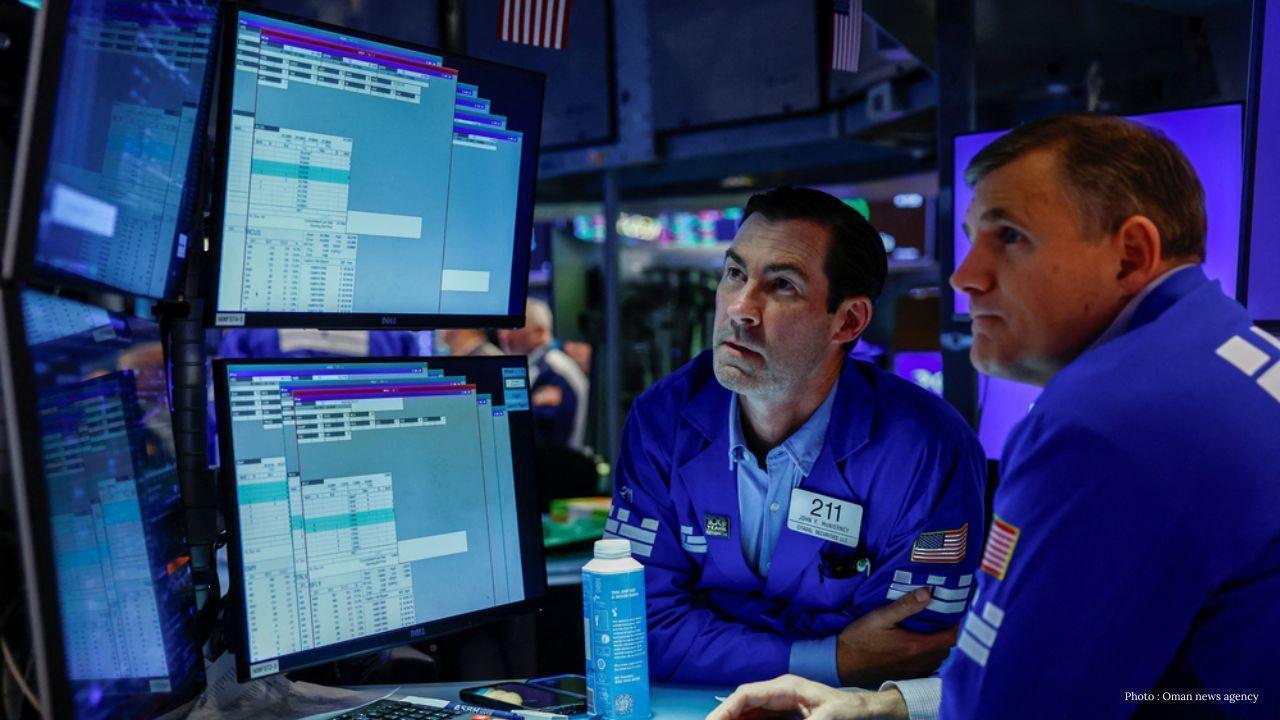
The United States has implemented enhanced scrutiny for H-1B visa candidates, particularly those from technology, social media, and finance industries. Consular officers are now tasked with examining resumes and online profiles to identify any connections to censorship, content moderation, or efforts to suppress disinformation.
Those found to have restricted protected speech in the US may face disqualification. This policy applies to both first-time applicants and those reapplying.
This initiative underscores a heightened emphasis on free speech and aims to tackle worries about the perceived suppression of conservative viewpoints online. It builds on previous expansions in visa vetting processes, including for student visas, and comes on the heels of new fee requirements for H-1B applications.
Republican officials claim that the strengthened vetting is a necessary response to what they perceive as deliberate attempts to censor online expression, particularly regarding elections and public health topics.
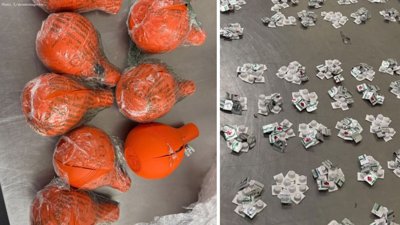
Kuwait Airport Customs Seize 1,996 Psychotropic Pills
Kuwait customs seize 1,996 Rayol tablets containing tapentadol from an Ethiopia-arriving passenger a
Sheikh Ahmed bin Rashid Al Maktoum Dies at 76
Dubai mourns Sheikh Ahmed bin Rashid Al Maktoum, a public servant and prominent supporter of the emi
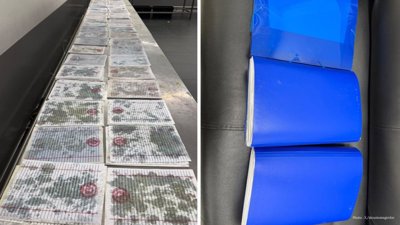
Kuwait Airport Seizes 1,197 Drug-Soaked Sheets
Kuwait Customs seized 1,197 drug-soaked sheets weighing about 9.6 kilograms from a London-arriving p
Anwar Gargash to Keynote Arab Media Summit 2026
Cai Qi, one of Xi Jinping’s closest aides, joins China’s BRICS delegation as India and China work to
Kuwait Customs Seize Alcohol Hidden in Truck
Kuwait customs officers seize 11 alcohol bottles and one beer bottle during a routine truck inspecti
25 Years of US Wars Leave Millions Dead and Displaced
Post-9/11 US-led wars have killed up to 4.7 million people and displaced more than 38 million highli