Post by : Saif
Al-Najjar
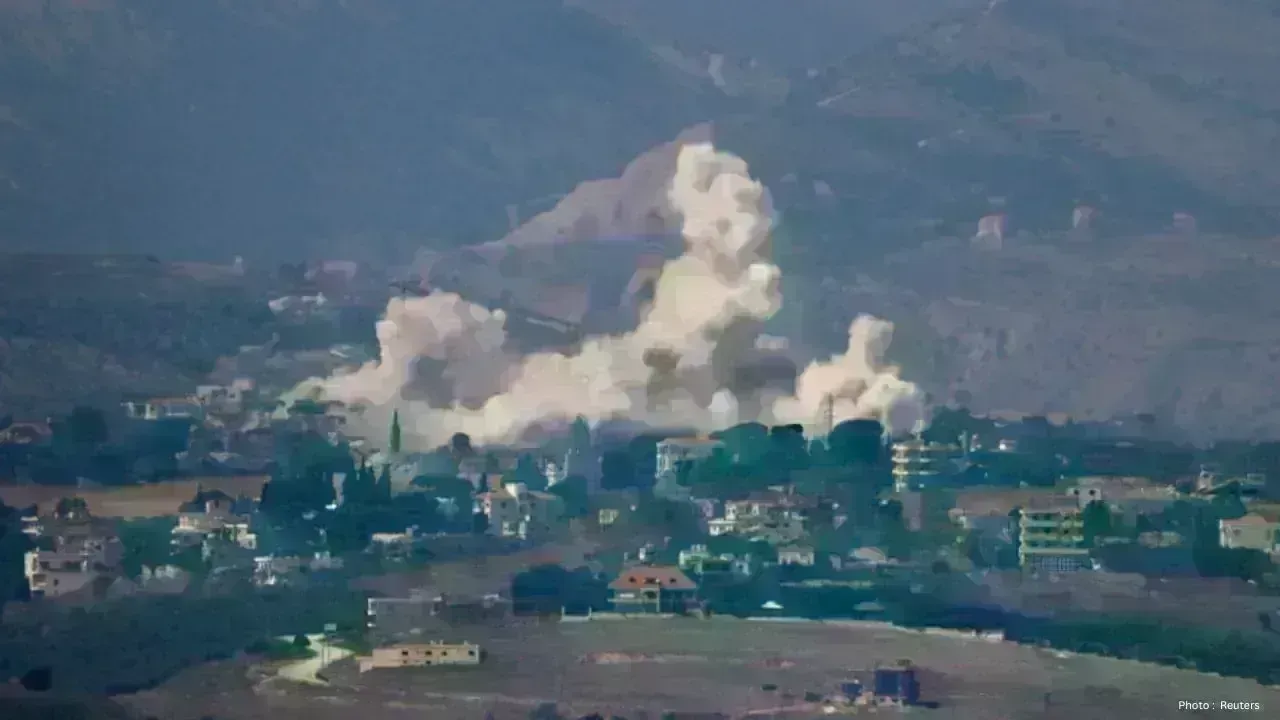
Recent airstrikes by the United States on military-associated locations in Iran have significantly escalated regional tensions, triggering a swift counteraction from Iranian forces. This ongoing exchange has garnered international attention, as both nations indicate their preparedness for potential future engagements. The situation underscores the delicate security environment between the two states.
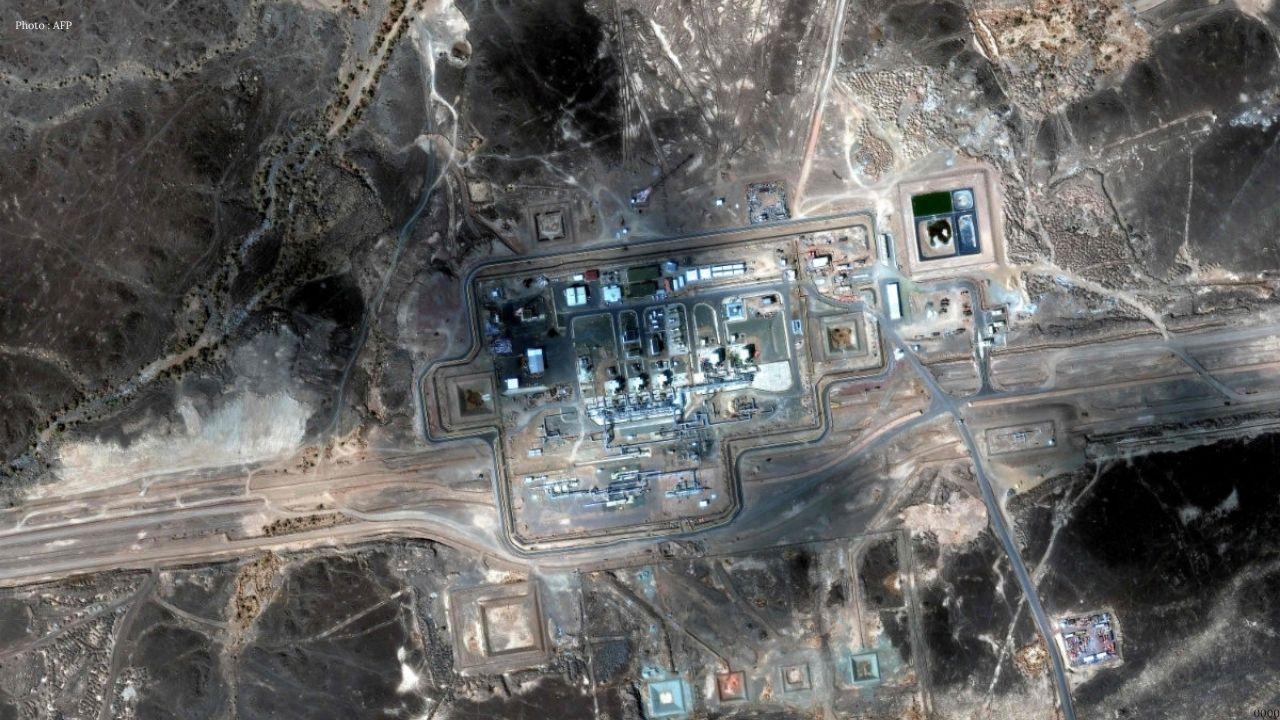
U.S. officials have confirmed that the strikes targeted sites linked to Iran’s military operations, aiming to mitigate threats and bolster regional security. In retaliation, Iranian forces launched an attack on a military air base associated with U.S. personnel, marking a rapid intensification of the conflict.
The exchange has exacerbated already tense relations between the United States and Iran, with both sides issuing strong defenses of their actions while cautioning against any further escalations. This unfolding crisis has created uncertainty in global political and energy markets, with close monitoring from investors and governments alike.
On a broader scale, this escalation exemplifies how swiftly regional disputes can evolve into larger security threats. The safety of civilians remains a pressing concern, as continued military operations could impact surrounding communities and infrastructure. Observers from the international community express deep concern that ongoing retaliatory actions may spiral into a prolonged and intricate conflict.
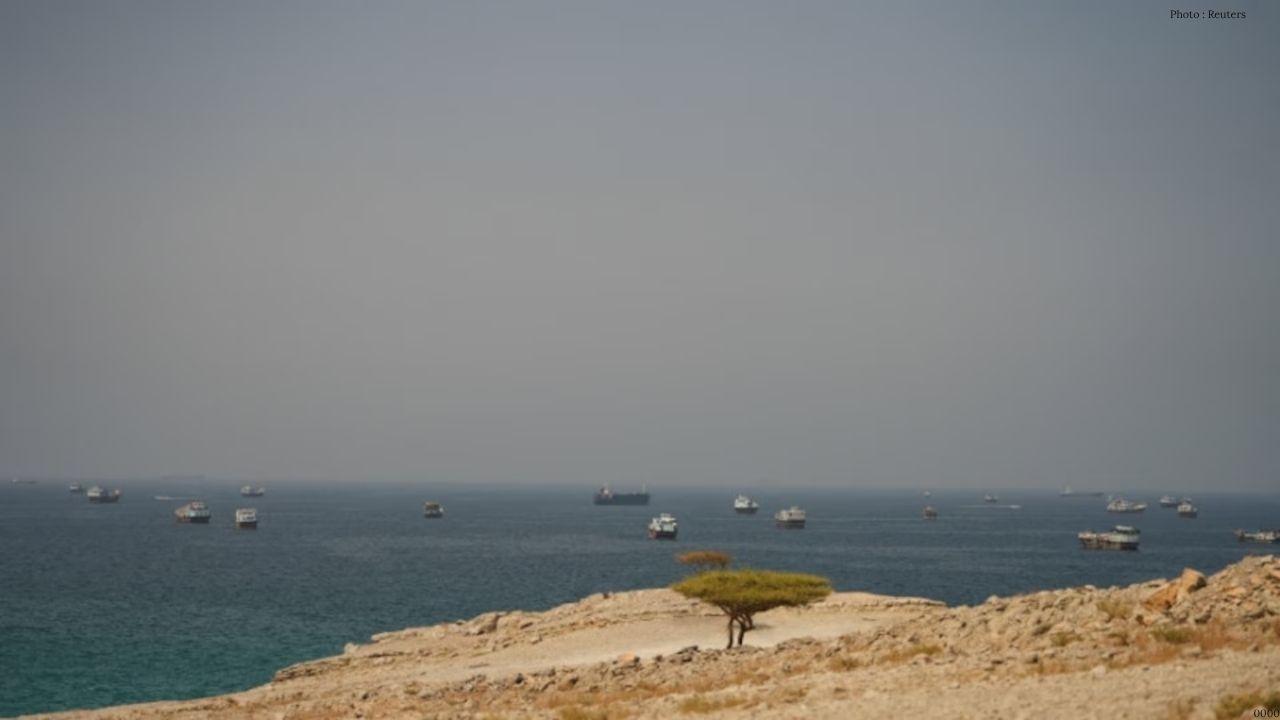
Economically, the escalating tensions may disrupt global oil supply chains and trade stability. Markets typically show heightened sensitivity to instability in the Middle East, and this instance is no different, with energy prices and shipping safety likely to come under strain if the conflict further intensifies.
While diplomatic channels are expected to remain active, distrust between both parties remains substantial. Past attempts to ease tensions have stumbled due to differences in security policies and regional dynamics. In the absence of consistent dialogue, the cycle of retaliation could persist.
This latest confrontation between the United States and Iran represents a pivotal juncture in regional relations. Although both nations present their responses as defensive measures, the potential for increased escalation looms large. Achieving a stable resolution will likely hinge on renewed diplomatic efforts, carefully managed communications, and the intervention of global leaders to avert further military conflict.


 English