Post by : Anis
Al-Rashid
Importance of Food Etiquette While Traveling
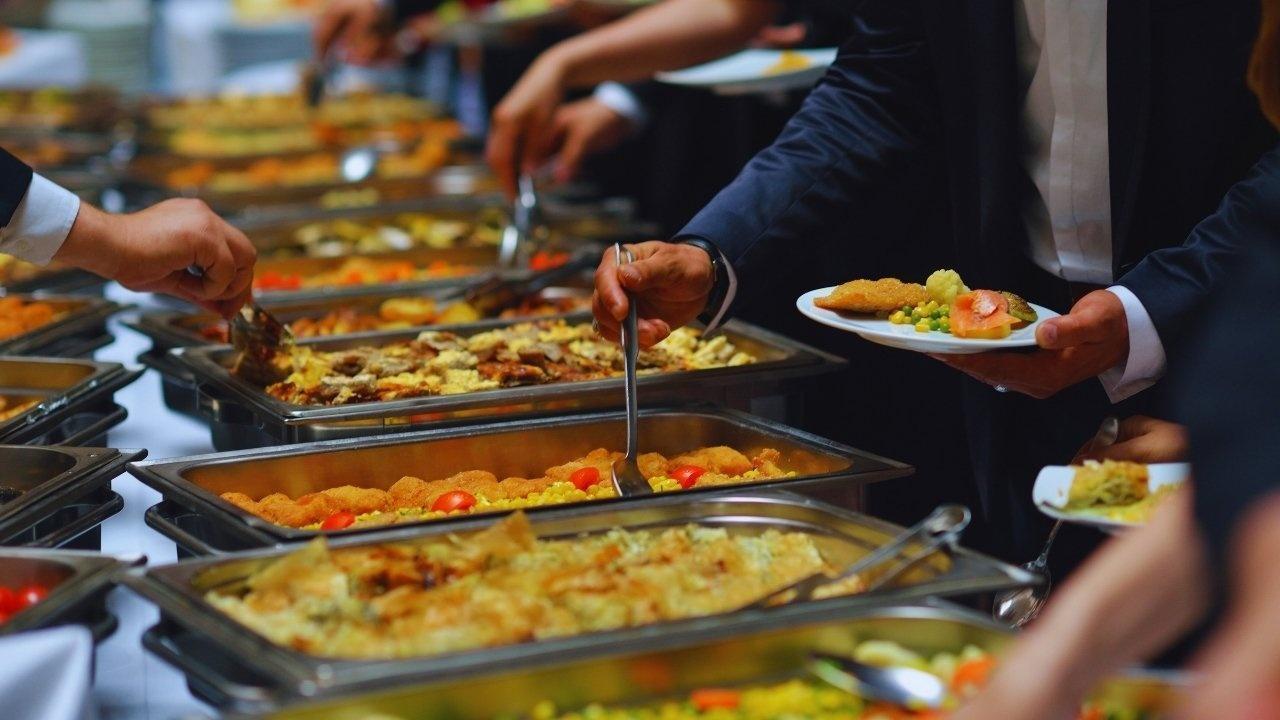
Food serves as a window into the essence of a destination, connecting you with its people and traditions. Sampling local cuisines is more than just tasting; it's a journey through time-honored practices. However, dining conventions vary greatly from one culture to another. What may be accepted in one region might be deemed impolite in another.
Having a grasp of the basic manners not only prevents uncomfortable situations but also helps you blend into the local dining scene seamlessly. Whether you find yourself at a family gathering in a quiet village or savoring street food amid a bustling market, unwritten rules of etiquette guide your interactions.
This overview equips you with the knowledge to enjoy culinary experiences without second-guessing while showing respect to your hosts.
Cultural Influences on Dining Practices
Every culture's relationship with food is influenced by its history, geography, climate, religion, and societal norms. Such factors define everything from meal preparation to table manners.
For instance:
• In various Asian cultures, family-style dining reflects a sense of community.
• In Europe, slow-paced meals illustrate a love for good food and engaging conversation.
• In the Middle East, hospitality is often showcased with copious amounts of food.
• In African and South Asian settings, sharing food symbolizes warmth and acceptance.
Recognizing these dining traits allows you to approach meals with curiosity and respect.
Dining Etiquette in Asia: Community, Respect, and Quietness
Asia boasts immense culinary diversity, yet many regions share collective values such as respect and mindful dining.
Japan: Precision and Ceremony
Japanese meals are characterized by ritual and attention to detail.
Important practices include:
• Uttering itadakimasu before eating and gochisousama afterward
• Avoiding the act of sticking chopsticks upright in rice (as this resembles funeral customs)
• Refraining from passing food chopstick-to-chopstick
• Slurping noodles as a display of enjoyment
Dining is usually a quiet affair, highlighting appreciation for flavors.
China: Chopstick Practices and Shared Plates
Dining in China is centered on communal plates.
Key etiquettes involve:
• Allowing elders to serve themselves first
• Not tapping chopsticks on bowls
• Moving the lazy susan gently
• Refraining from digging through food to select specific items
While conversations may be animated, food etiquette is still observed.
India: Generosity and Eating with Hands
Hands are often used for eating, especially during traditional meals.
Key guidelines include:
• Utilizing your right hand for eating
• Accepting food offered as a sign of respect
• Not using your hand to touch serving spoons
• Waiting for elders to commence eating first
In India, hospitality is paramount; declining food too often may be seen as rude.
Thailand: Spoon Etiquette
In Thai dining, the fork serves primarily to push food onto the spoon.
Practices include:
• Holding the spoon in the right hand
• Not lifting bowls while eating
• Leaving a little food behind as a sign that you are satisfied
Grasping these nuances enhances your experience.
Middle Eastern Dining Etiquette: Generosity and Warmth
Middle Eastern culture is well-known for its famed hospitality, with meals designed for sharing.
Standard Practices Include:
• Eating with the right hand
• Accepting tea or coffee as a mark of respect
• Leaving a modest amount on your plate to signify fullness
• Avoiding crossing legs so your feet do not point at others
Guests are treated with utmost importance; turning down food could be considered disrespectful.
European Dining Etiquette: Conversation, Timing, and Refinement
Europeans appreciate slow dining, well-structured meals, and proper table manners.
France: Savouring Elegance
Dining in France revolves around savoring each moment.
What to expect:
• Keeping hands on the table, not in your lap
• Avoiding cutting salad leaves with a knife
• Eating bread as it comes, not as a plate-cleaner
• Engaging in light, polite conversation
Meals are often lengthy, enjoyed at a leisurely pace.
Italy: Respect for Structure
Italian dining follows a revered structure.
Guidelines include:
• Consuming cappuccino only at breakfast
• Not pairing Parmesan with seafood dishes
• Following a fixed course order—do not rush through them
• Collectively enjoying bread without dipping into oil
Devotion to food is profound, and respecting each dish is essential.
United Kingdom: Courteous Conduct
Dining etiquette is paramount in the UK, focusing on politeness.
Common practices:
• Fork held in the left hand, knife in the right
• Forming queues at cafes and food stands
• Waiting for all meals to arrive before starting
• Avoiding raucous discussions at the table
Tea-time manners are especially prized.
African Dining Etiquette: Community and Tradition
Africa's dining customs revolve around unity and hospitality.
Standard Customs Include:
• Sharing from communal dishes
• Washing hands pre-meal
• Using the right hand for eating where applicable
• Accepting food as a gesture of respect
• Awaiting elders to begin before serving yourself
• Avoiding any waste of food
Meals often serve as a backdrop for shared experiences and stories.
American Dining Etiquette: Casual and Diverse
The Americas encompass a variety of cultures, leading to a diverse dining landscape.
United States and Canada:
• Tipping is customary (typically 15–20%)
• Dining settings are casual yet polite
• Expect large portion sizes
• Dietary requests are often accommodated
Personal preferences are valued across the board.
Latin America:
• Family-oriented, warm meals
• Greetings prior to eating are crucial
• Utensil usage varies widely among countries
• Meals can be lengthy social gatherings
Dining in Latin America celebrates unity and generosity.
Hand-Eating Norms: When and How to Do It Right
Several cultures engage in hand-eating to enhance the sensory experience with food. To do this respectfully:
• Use only your right hand
• Break food into smaller, manageable pieces
• Avoid letting food slip from your hand
• Involve fingertips, not palms
Hand-eating is common in countries like India, Ethiopia, UAE, Indonesia, and certain parts of Africa.
Chopstick Etiquette in Asia: A Sign of Respect
Chopsticks hold cultural significance.
Guidelines include:
• Do not point with chopsticks
• Do not spear food
• Prevent crossing chopsticks
• Place them neatly on a holder when not being used
• Refrain from playing or gesturing with chopsticks
Such etiquette is particularly significant in Japan, Korea, China, Vietnam, and Taiwan.
Slurping and Burping: What's Acceptable?
In Japan and parts of China:
Slurping noodles shows enjoyment and appreciation.
In many Western cultures:
It is deemed impolite.
In some Middle Eastern cultures:
A gentle burp after a meal might be a sign of satisfaction, but this varies.
Recognizing these cultural contrasts can save you from embarrassment.
Tipping Etiquette around the Globe
Tipping practices dramatically differ worldwide.
• United States, Canada: Expected
• Japan, Korea: Viewed as rude
• Europe: Small tips appreciated, but not obligatory
• India: Rounding off the bill or leaving small change is usual
• Middle East: Typically included in service charges
Understanding these tipping habits can help you avoid awkward encounters after meals.
Street Food Courtesy: Merging Respectfully
Street food often embodies the essence of local fare.
To enjoy it respectfully:
• Watch how local individuals order
• Avoid haggling unless culturally acceptable
• Stand where others are, not blocking queues
• Dispose of waste properly
• Respect busy hours at food stalls
Street food thrives on vibrancy, yet basic courtesies ensure a pleasant experience.
Dining with Families: The Silent Expectations
Receiving an invitation to dine at someone's home is a significant honor in many cultures.
Basic etiquette includes:
• Accepting a portion of what’s offered
• Complimenting the host's cooking
• Allowing time for meals
• Offering to help with cleaning up if appropriate
• Avoiding any evident dislike
Respecting customs trumps personal appetite.
Alcohol Etiquette Across Cultures
Alcohol-related customs vary broadly.
• Japan: Wait for the toast “kanpai” before drinking
• Russia: Refusing vodka might seem impolite
• Middle East: Alcohol restrictions may apply
• Europe: Wine should be savored, not gulped
• India: Context heavily dictates drinking habits
Always adhere to local norms to ensure comfort.
Dessert and Tea Customs
Sweet treats are often governed by cultural norms.
• Turkey: Tea welcomes hospitality
• Britain: Formal tea etiquette is cherished
• France: Desserts are typically delightful and petite
• India: Sweets may be provided with meals or as farewells
• China: Fresh fruit often replaces dessert
Recognizing these can enhance your overall dining adventure.
Dining Room No-No's
Some behaviors are universally frowned upon:
• Speaking with a mouth full
• Elbows on the table (adapts by culture)
• Wasting food
• Taking more than you can consume
• Using your phone during meals
Minor changes in behavior can create lasting impressions.
Conclusion
Dining globally presents an enriching adventure woven with flavors, traditions, and customs. By comprehending local etiquette, you will experience food the way it’s meant to be enjoyed—respectfully, confidently, and joyfully. Such customs aren’t limitations; they are gateways to deeper cultural connections. No matter your reason for traveling, being prepared positively influences every morsel of your culinary journey.
Disclaimer:
This document serves as a general informational reference and is not a substitute for specific cultural advice or expert guidance.


 English