Post by : Shweta
Recent military actions have intensified the already strained relations in the Middle East, as the United States launched airstrikes on Iranian facilities coinciding with drone and missile assaults reported in Kuwait. This has sparked worries about a potential wider regional conflict despite ongoing diplomatic initiatives aimed at de-escalation between Washington and Tehran.
The U.S. military's operations targeted Iranian radar and drone command facilities in response to the shooting down of a U.S. MQ-1 Predator drone over international waters by Iranian forces. U.S. Central Command described the strikes, which were focused on locations such as Goruk city and Qeshm Island, as a necessary defensive move against what it characterized as Iran’s aggressive behavior.
American armed forces confirmed that they successfully neutralized air defense systems and a drone control station believed to threaten vital maritime routes. Notably, there were no casualties among U.S. personnel, and the military classified these airstrikes as limited and methodically executed.
In a swift reaction, Iran acknowledged its retaliatory strikes, with the Islamic Revolutionary Guard Corps (IRGC) asserting that military action was taken against U.S.-linked targets. Iranian officials cautioned that further aggression would elicit a more robust response.
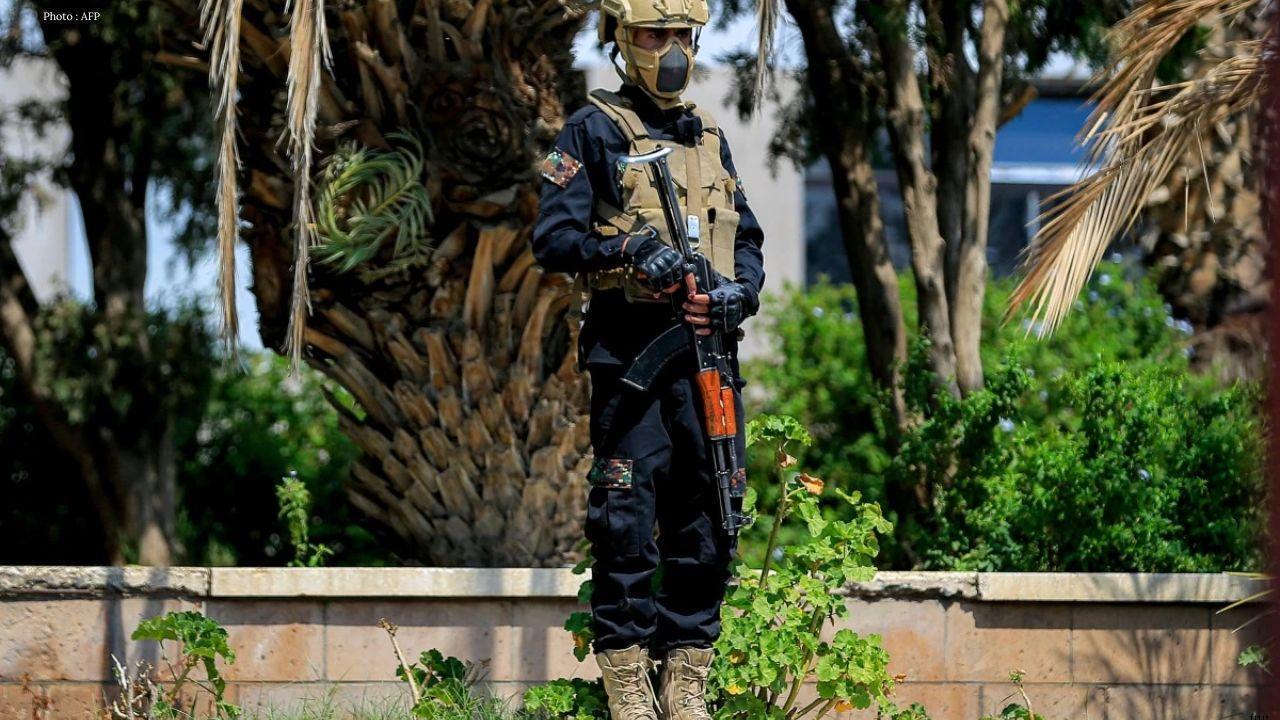
Shortly after the hostilities, Kuwait reported activating its air defense systems in response to incoming threats. Early Monday morning, Kuwaiti authorities observed hostile aerial activities, although the origins of these strikes remain unconfirmed, with speculations pointing to Iranian reprisals or actions from Iran-aligned groups in the vicinity.
The escalation has heightened anxieties across the Gulf, a region that houses significant U.S. military bases. As one of America's principal partners in the area, Kuwait has historically contributed to U.S. military strategies. The situation raises trepidations regarding the stability of Gulf states amidst these increasing tensions.
These military confrontations occur during a fragile ceasefire period that has already seen numerous violations. Although diplomatic dialogues between the U.S. and Iran are ongoing, genuine progress towards a sustainable agreement remains a challenge, with persistent disputes over Iranian nuclear developments, sanctions, regional security issues, and the pivotal status of the Strait of Hormuz.
The Strait of Hormuz, a crucial maritime channel, presents another layer of complexity to this crisis. Iran has maintained significant control over activities within this strategic waterway, pivotal for global oil and natural gas transport. Disruptions here have already strained international energy markets, contributing to surging oil prices. Experts caution that a prolonged military standoff could worsen economic pressures globally.
Regional dynamics are further complicated by concurrent conflicts, notably between Israel and Hezbollah in Lebanon. Diplomatic efforts, engaging various international mediators, face mounting difficulties. Leaders in the region are apprehensive that these conflicts could converge, escalating the security dilemmas across the Middle East.
U.S. President Donald Trump has maintained a hopeful outlook regarding negotiations with Iran, even amid escalating military confrontations. In contrast, Iranian officials criticize the U.S. for signaling contradictory intentions by pursuing military actions while engaging in diplomatic talks. Nonetheless, both nations profess a commitment to diplomatic solutions, even as the latest exchanges underscore the volatility of the situation.
Countries worldwide are advocating for restraint and urging renewed diplomatic endeavors to circumvent further hostilities. Organizations like the United Nations are keeping a close watch on developments, concerned that any additional strikes may provoke a larger conflict involving multiple nations.
Currently, military forces throughout the region remain on high alert. While the dialogue between the U.S. and Iran has not fully unraveled, the recent strikes illustrate the precariousness of the current climate. With ongoing military actions occurring alongside diplomatic efforts, the forthcoming days will be crucial in deciding whether the crisis transitions toward a resolution or escalates into a more extensive conflict.


 English