Post by : Sami
Al-Rahmani
The Importance of Emergency Fund Planning for UAE Expats
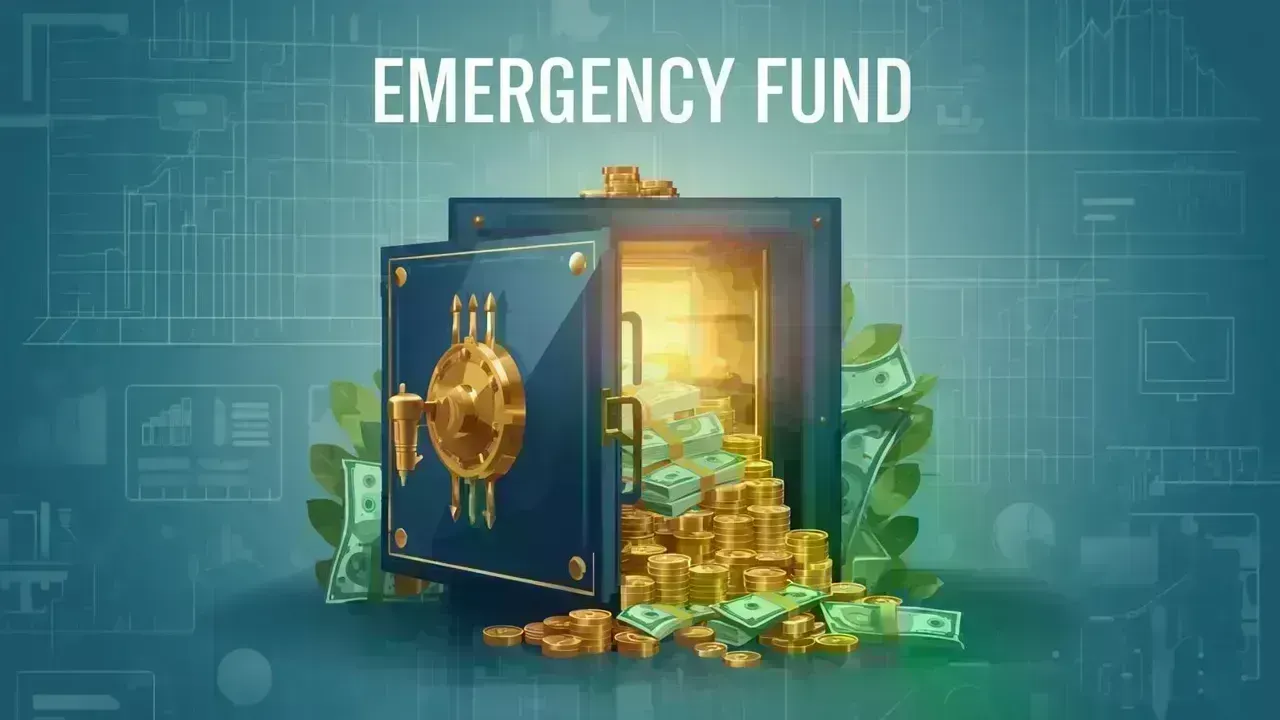
While living in the UAE offers perks like tax-free income and global opportunities, it can also bring unpredictability for expatriates. With job contracts, visa links to employment, and potential relocations, having an emergency fund is vital. It serves as a financial cushion to cope with sudden circumstances without incurring debt.
Understanding What an Emergency Fund Is
An emergency fund is specifically allocated money for urgent, unforeseen expenses. This includes job loss, medical emergencies not entirely covered by insurance, costs related to visas, and emergency relocations. It is not intended for discretionary spending like vacations or shopping; its role is to provide financial stability in challenging times.
Why Expats Require a More Robust Safety Net
Unlike citizens, expatriates typically lack long-term government benefits or social safety nets. In the UAE, job loss can quickly affect one’s residency status, housing, and everyday expenses. An emergency fund allows for considered decision-making during tumultuous events.
Determining the Right Emergency Fund Amount in the UAE
For expatriates, a practical emergency fund should ideally cover three to six months' worth of essential expenses. Families or households with a single income may require six to nine months for enhanced security. Essential expenses encompass rent, utilities, food, transport, and basic insurance costs.
For an individual, this amount might range from AED 25,000 to AED 50,000.
For couples or families, it could range from AED 40,000 to upwards of AED 100,000 based on their lifestyle.
Assessing Your Monthly Essential Costs
Understanding your essential living expenses is crucial before starting your emergency fund. This differs from your standard spending habits. Tally up the costs of rent, utilities, groceries, transport, insurance, and any relevant school fees. Exclude luxury expenses like dining out or entertainment. This figure will form the basis for your emergency fund goal.
Optimal Locations to Store Your Emergency Fund
Your emergency fund should be both secure and easily accessible. A savings account with instant access is typically the best choice. Avoid tying these funds in long-term investments or volatile assets; the priority is ease of access over returns.
Steps to Establish Your Emergency Fund
Begin with small, manageable savings goals. Setting aside a fixed monthly amount cultivates savings habits. Automating your savings right after receiving your salary helps mitigate spending temptations. Treat your emergency fund as an essential monthly expense, much like your rent or bills. Small, steady contributions can be more beneficial than waiting for a windfall.
Emergency Fund Insights for Single Expats
Single expatriates may underestimate financial risks due to fewer responsibilities, but job loss or health emergencies can still create significant pressure. Maintaining a fund that covers at least three to six months of essential expenses ensures that you can navigate transitions without stress.
Emergency Fund Considerations for Families
Families should maintain a more substantial emergency fund due to higher costs, including school expenses and medical care for dependents. It's recommended that family emergency funds cover at least six months of necessary expenses.
Common Pitfalls for Expats
Many expatriates procrastinate on establishing an emergency fund, wrongly believing they have sufficient job security. Others commingle emergency funds with regular savings, making it easy to deplete them. Many also rely on credit cards, increasing financial strain in crises. Separating these funds and practicing discipline is essential.
Are Credit Cards a Substitute for an Emergency Fund?
Using credit cards is not a replacement for an emergency fund. During unexpected events, relying on credit can lead to mounting debt and financial strain. An emergency fund alleviates the stress of repayments and offers greater financial freedom during uncertain times.
Reassessing Your Emergency Fund as Life Evolves
Your emergency fund should grow in line with personal life changes, such as increased income, marriage, or children. Conducting annual reviews ensures your fund aligns with current obligations and expenses, and any rise in costs should prompt adjustments in your savings goals.
Distinguishing Emergency Funds from General Savings
Emergency funds are distinct from savings intended for travel, investments, or other goals. Mixing these can dilute financial security. An emergency fund should be preserved for actual emergencies; having separate accounts can help maintain clarity.
Boosting Financial Confidence with Emergency Funds
Maintaining an emergency fund lessens anxiety and fosters better decision-making. Expats who have financial reserves feel more empowered in job negotiations, transitions, and long-term planning, converting uncertainty into manageable contexts.
Tips for Accelerating Emergency Fund Growth
Consider these strategies to enhance your emergency fund quickly:
Minimize lifestyle inflation with income raises.
Utilize bonuses or incentives to bolster savings.
Suspend unnecessary subscriptions temporarily.
Reallocate impulse spending savings to your emergency fund.
Final Thoughts on Emergency Fund Strategy for Expats
Planning for an emergency fund is essential for expatriates in the UAE. It forms a vital financial underpinning, safeguarding against sudden disruptions while promoting peace of mind. Regardless of being single or part of a family, building and maintaining this fund enables expats to thrive confidently in the UAE.
Disclaimer
This article is intended for informational purposes and does not provide financial advice. Individual emergency fund needs may vary based on personal income, lifestyle, family dynamics, and job conditions. Readers should evaluate their unique circumstances before making any financial decisions.


 English