Post by : Saif
Al-Najjar
As the world faces a pressing climate crisis, scientists from the European Union have warned that 2025 is set to be among the hottest years in recorded history. The Copernicus Climate Change Service indicates that this year may fall as the second or third warmest, following the extreme temperatures seen in 2024.
This alert follows the recent COP30 climate summit, where global leaders struggled to reach consensus on impactful measures to reduce greenhouse gas emissions. Many nations encountered significant political and economic challenges, resulting in weakened climate commitments that hinder the global initiative to combat climate change at a critical time.
Researchers also report that the world is completing its inaugural three-year stretch where global temperatures have exceeded 1.5 degrees Celsius compared to the pre-industrial baseline from 1850 to 1900—an essential threshold outlined in the 2015 Paris climate agreement.
These figures hold real-world implications for humanity, wildlife, and ecosystems. Samantha Burgess from the Copernicus Climate Change Service emphasized that these trends showcase the intensifying pace of climate transformation, indicating the planet is heating up at an unprecedented rate with increasingly visible repercussions.
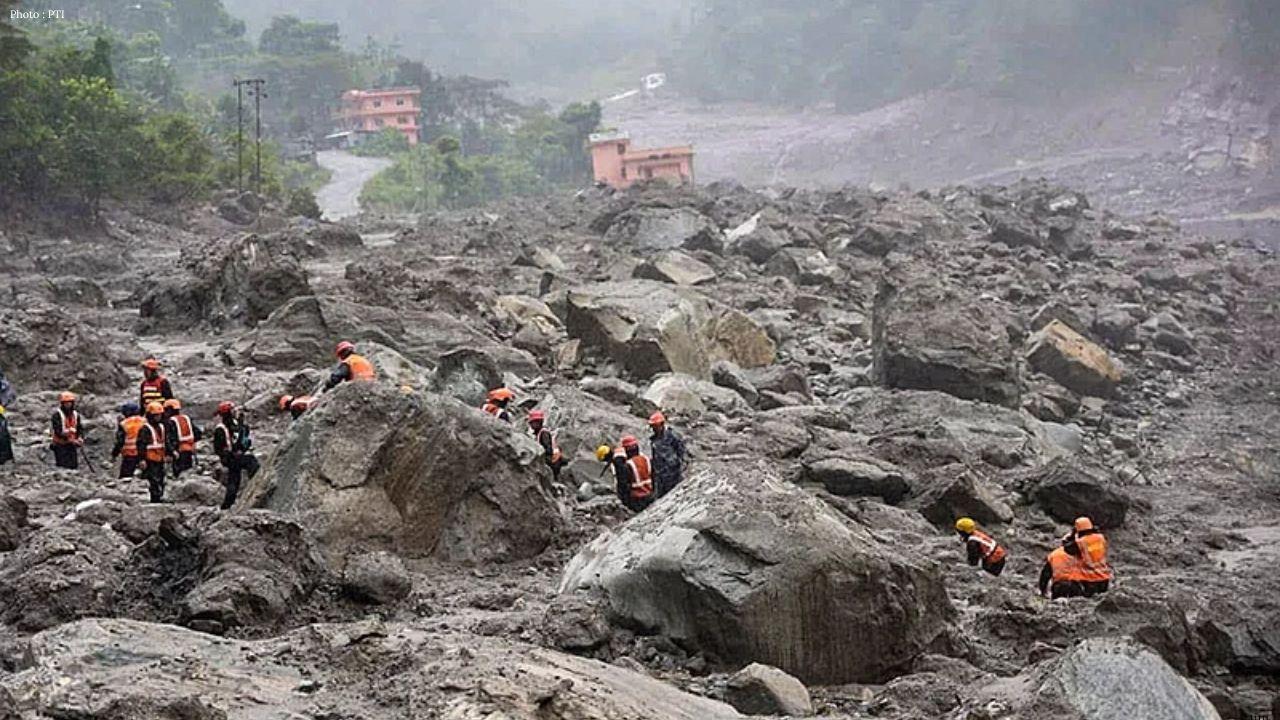
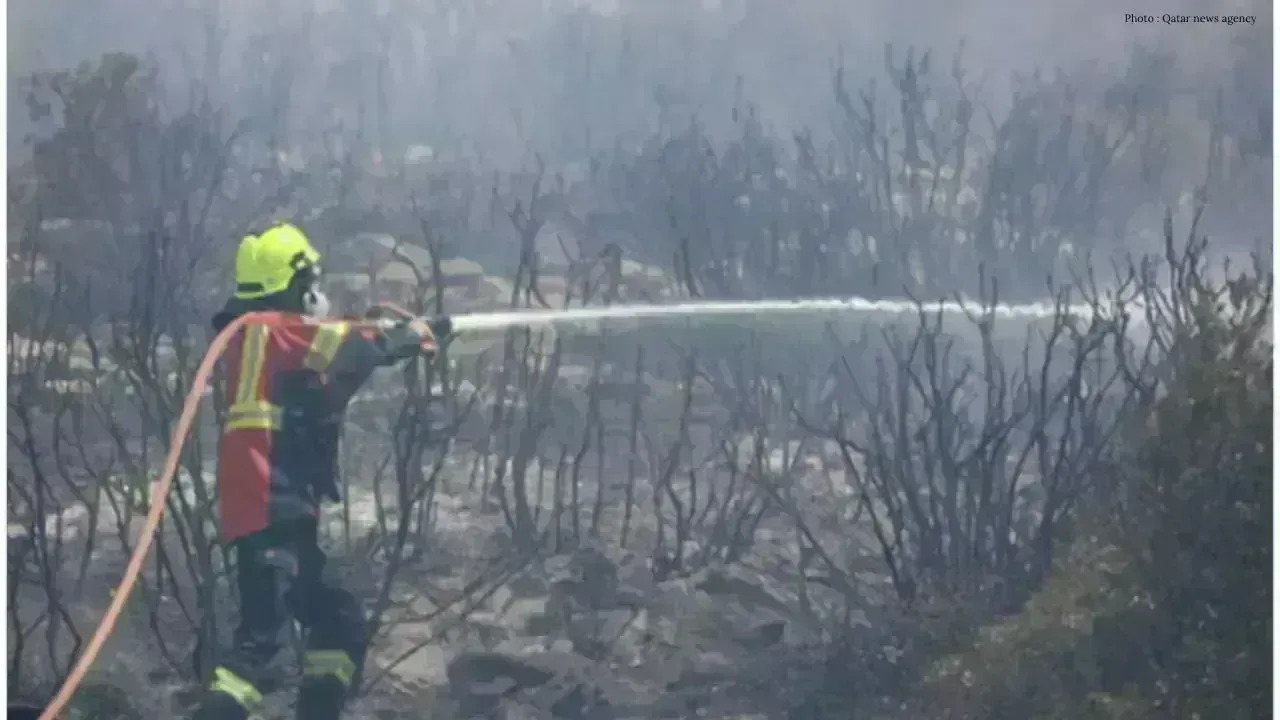
The year 2025 has already experienced extreme weather events worldwide. Typhoon Kalmaegi claimed over 200 lives in the Philippines, while Spain endured its worst wildfires in three decades, with scientists affirming that climate change exacerbated both the frequency and severity of these disasters. Such occurrences are not mere anomalies but evidence of a broader trend.
While natural climatic cycles may cause annual fluctuations in temperatures, experts have identified a longstanding upward warming trajectory predominantly driven by greenhouse gas emissions from fossil fuels. The combustion of coal, oil, and gas releases carbon dioxide into the atmosphere, effectively trapping heat and exacerbating global warming.
The World Meteorological Organization has documented that the last decade represents the hottest period since modern record-keeping began, highlighting the acceleration of global warming rather than any slowdown.
Some analysts caution that we may already be on the verge of breaching the critical 1.5-degree Celsius threshold. The United Nations has asserted that fully adhering to this target may not be feasible, prompting calls for governments to swiftly cut carbon emissions to limit future temperature increases.
This scenario poses significant challenges for global leadership. Continued inaction could leave future generations grappling with heightened heat waves, floods, droughts, and storms, disproportionately impacting poorer and developing regions, who contribute least to the crisis.
The scientific consensus is clear: the planet is warming, with weather patterns growing increasingly severe, and the window for effective action is closing rapidly. Climate change is not a distant issue; it is a present-day reality.
In summary, the prediction that 2025 will be one of the hottest years on record should serve as a critical alarm. Implementing stronger climate policies, embracing cleaner energy, and fostering international collaboration are essential steps to safeguard our shared planet, economies, and lives.


 English