Post by : Sami
Al-Rahmani
Explore the Croatian Coast: A Guide to Dubrovnik, Split, and Island Getaways
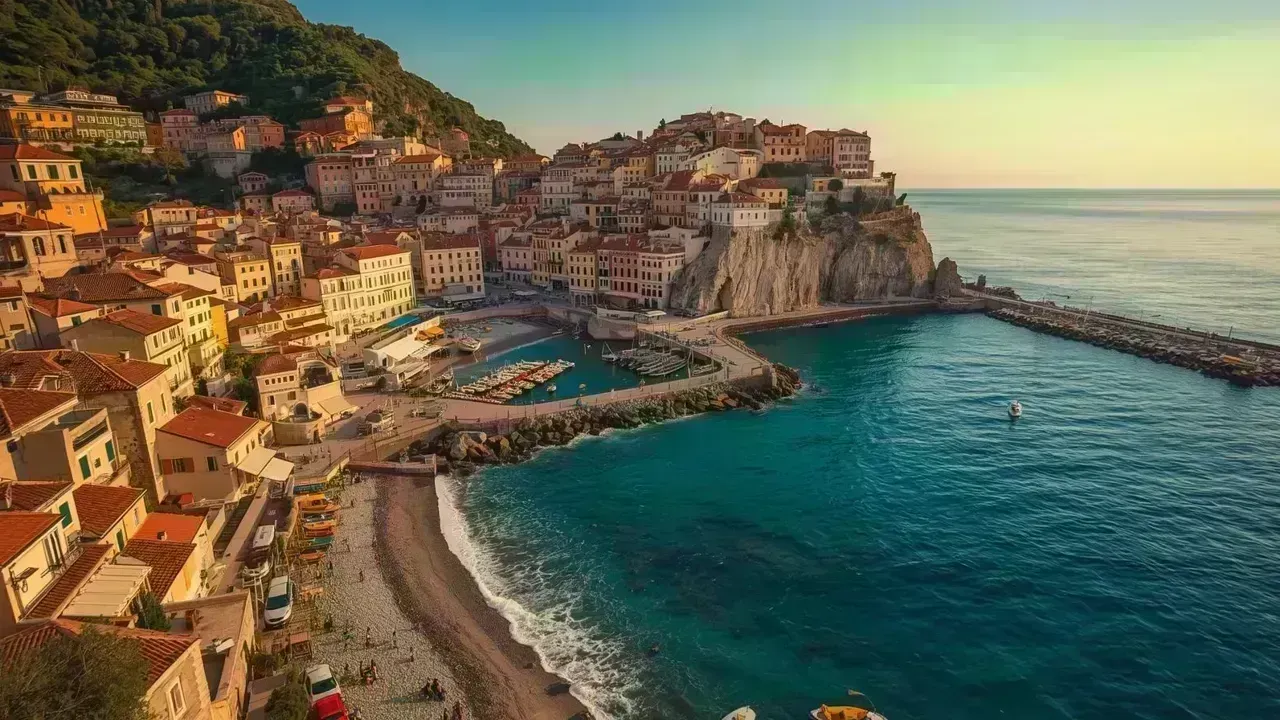
Croatia's Adriatic coastline has emerged as one of the most sought-after travel destinations in Europe. Boasting medieval towns, pristine waters, and a laid-back Mediterranean lifestyle, Croatia strikes a unique balance between culture, relaxation, and scenic views that few other places offer. The cities of Dubrovnik and Split, along with the surrounding islands, comprise the central attractions for most travelers, but each location presents distinct experiences. Understanding these differences prepares visitors to navigate Croatia more effectively, avoiding common pitfalls while uncovering its deeper allure.
Why Tourists Are Drawn to Croatia’s Coast
Croatia seamlessly merges ancient European charm with modern tourist amenities. Spanning over 1,700 kilometers of coastline and home to countless islands, many of which are well-connected, the country feels both tranquil and scenic compared to its Western European counterparts. Its cuisine, accommodations, and transportation options rank highly, making it a favorable destination.
Major attractions that entice visitors include walkable historic cities, pristine beaches, affordable hopping between islands, rich cultural heritage, and a vibrant dining scene. With one of the cleanest sections of the Adriatic Sea in Europe, swimming and boating are especially popular.
Dubrovnik: The Jewel of the Adriatic
Dubrovnik stands as Croatia's most renowned coastal city, being a common stop for international travelers. Encircled by towering stone walls and perched alongside the sea, it resembles an open-air museum. The well-preserved old town is compact, rich in history, and often captures the imagination.
Distinguishing features of Dubrovnik include its medieval structures, iconic red-roofed skyline, and breathtaking coastal views. Walking along the city walls offers stunning panoramas of both the Adriatic Sea and the old town, marking it as one of Europe’s unforgettable urban experiences.
Experiencing Dubrovnik
While stunning, Dubrovnik can become congested, especially during the summer months when cruise ships dock. The narrow streets within the old town can feel overwhelming at peak times. Early mornings and late evenings offer the best opportunity for a more serene exploration.
Accommodation in Dubrovnik
Staying within the old town affords proximity to attractions and historic ambiance but comes with high costs and often involves numerous stairs. Many travelers prefer accommodations in nearby areas, such as Lapad or Ploče, which provide better price-to-value ratios, beach access, and convenient transportation.
Culinary Scene in Dubrovnik
Dubrovnik's dining experience revolves around seafood, Mediterranean flavors, and Croatian wines. Prices tend to be steeper here than in other regions of Croatia due to tourist demand; however, dining outside of the old town can lead to more affordable options.
Who Should Visit Dubrovnik
Dubrovnik is perfect for first-time travelers, history enthusiasts, photographers, and those desiring classic European vistas. Budget-conscious travelers and those who prefer to avoid crowds might find it less enjoyable during peak tourist seasons.
Split: A Blend of Culture and Beach Life
Split presents a contrasting coastal experience. Centered around Diocletian's Palace, a Roman-era site still pulsating with life, the city intertwines historical richness with vibrant urban culture. Unlike Dubrovnik, Split feels less like a museum.
The essence of Split is lively, welcoming, and candid. Local residents and visitors frequent the same cafes, markets, and waterfront promenades, giving a genuine feeling of Croatian day-to-day life.
Must-see spots in Split
Diocletian's Palace reigns at the city's core, filled with shops, apartments, and narrow pathways. The lively Riva promenade is a favorite gathering spot, especially in the evenings. Nearby beaches like Bačvice and Kašjuni provide easy access for swimming right in the city.
Accommodation Choices in Split
Compared to Dubrovnik, Split offers a broader spectrum of lodging options. From budget stays to boutique hotels by the beach, prices generally remain moderate. Staying close to the old town enhances access, while areas just outside present more tranquil nights.
Food and Entertainment in Split
Split boasts a rich culinary culture featuring fresh seafood, traditional Dalmatian dishes, and wallet-friendly local dining. The nightlife here is vibrant yet relaxed with numerous bars and cafes.
Who Is Split Suited For
Split caters well to those who appreciate history while enjoying urban energy, aiming for easy access to beaches and neighboring islands. It’s well-suited for extended visits and balanced vacations.
Island Experiences in Croatia: Finding Your Perfect Match
One of Croatia’s standout features is its array of islands. Island hopping is enjoyable, economical, and enriches any coastal itinerary. However, each island possesses its own ambiance, making selecting the right one crucial.
Hvar: Glamour, Beaches, and Nightlife
As Croatia's most stylish island, Hvar is celebrated for its luxury yachts, trendy beach clubs, and spirited nightlife, appealing to young travelers. Beyond the vibrant scene, visitors can explore lavender fields, historic fortifications, and picturesque coves.
Due to its popularity, Hvar tends to be pricier during summer seasons, targeting those seeking lively atmospheres and upscale beach experiences.
Brac: Tranquil and Scenic
Home to the notable Zlatni Rat beach, Brač offers a serene environment more suitable for families. It’s ideal for swimming, hiking, and easy-going coastal stays. Accommodations tend to be more budget-friendly, leading to less congestion than Hvar.
Korcula: A Hideaway of Culture and Charm
Korčula symbolizes a smaller, quieter variant of Dubrovnik. Featuring cobblestone alleys, historic architecture, and local vineyards, it attracts those wishing for charm and culture without excessive crowds. Perfect for couples and slower-paced explorers.
Vis: Genuine and Serene
Vis ranks among Croatia’s least commercialized islands. Celebrated for its untouched beauty, it also offers quaint villages and renowned natural sites like the Blue Cave. It caters to travelers who appreciate authenticity, nature, and a minimalist tourism experience.
Planning an Itinerary with Dubrovnik, Split, and the Islands
Many travelers find it challenging to devise an optimal route between these destinations. A practical approach is to begin or finish in Split, which serves as the main ferry hub. Ideally, a shorter visit to Dubrovnik is advisable due to its crowds and costs, whereas Split and the islands can be enjoyed over longer stays.
A balanced itinerary includes a two-day stay in Dubrovnik, a three-day visit in Split, and three to five days exploring one or two islands. This layout combines sightseeing with relaxation without the pressures of a rushed timeline.
Understanding Costs and Budgeting Along the Coast
While Croatia has elevated its price standard, it still presents better value than many Western European coastal regions. Among the locales, Dubrovnik is typically the priciest, especially concerning lodging and dining. Split offers moderate costs, while the islands display varied pricing based on draw.
Common pricing trends indicate higher expenses during July and August, beneficially countered by greater affordability in late spring and early fall. Traveling outside the peak season enhances both comfort and cost-efficiency.
Transportation and Getting Around
The coastal transportation infrastructure in Croatia is dependable. Ferries link major islands, buses travel between cities, and domestic flights connect distant areas. Though renting a car is useful for venturing into coastal towns, it's not crucial for city- or island-oriented itineraries.
Walking is the main method of transit within old towns, so wearing comfortable footwear is vital. Numerous historic avenues are pedestrian-only.
Safety and Travel Comfort in Croatia
Ranked among Europe’s safest travel spots, Croatia experiences rare instances of violent crime, with tourist-friendly areas well monitored. Major concerns include overcrowding in summer, heat, and polished stone streets in older towns.
When Is the Best Time to Visit Croatia’s Coast?
The ideal months for exploration are May, June, September, and early October. These periods feature pleasant weather, lesser crowds, and improved pricing. While July and August are vibrant, they draw larger crowds and often carry inflated prices.
Frequent Mistakes Tourists Make
A common pitfall is underestimating travel durations among islands, overspending time in Dubrovnik, or cramming too many destinations into a limited timeframe. Croatia thrives on a slower travel pace, rewarding those who appreciate fewer locations with richer experiences.
Choosing the Right Destination for Your Travel Style
Opt for Dubrovnik if you're a first-timer or a history enthusiast.
Select Split for a combination of flexibility and culture.
Choose Hvar for nightlife lovers.
Consider Brač for family-friendly beach trips.
Pick Korčula and Vis for a tranquil and authentic vibe.
Concluding Thoughts
Exploring Croatia's coast is an adventure filled with distinct experiences. While Dubrovnik captivates with its historical allure, Split offers authenticity and social life, and the islands present serene escapes and variety. The ultimate Croatian journey is one thoughtfully crafted, embracing these diverse elements for an unforgettable experience.
Disclaimer
This article serves informational purposes only. Travel conditions, ferry schedules, prices, and regulations are subject to change. Always verify the latest local information and travel requirements prior to your trip.


 English