Post by : Shweta
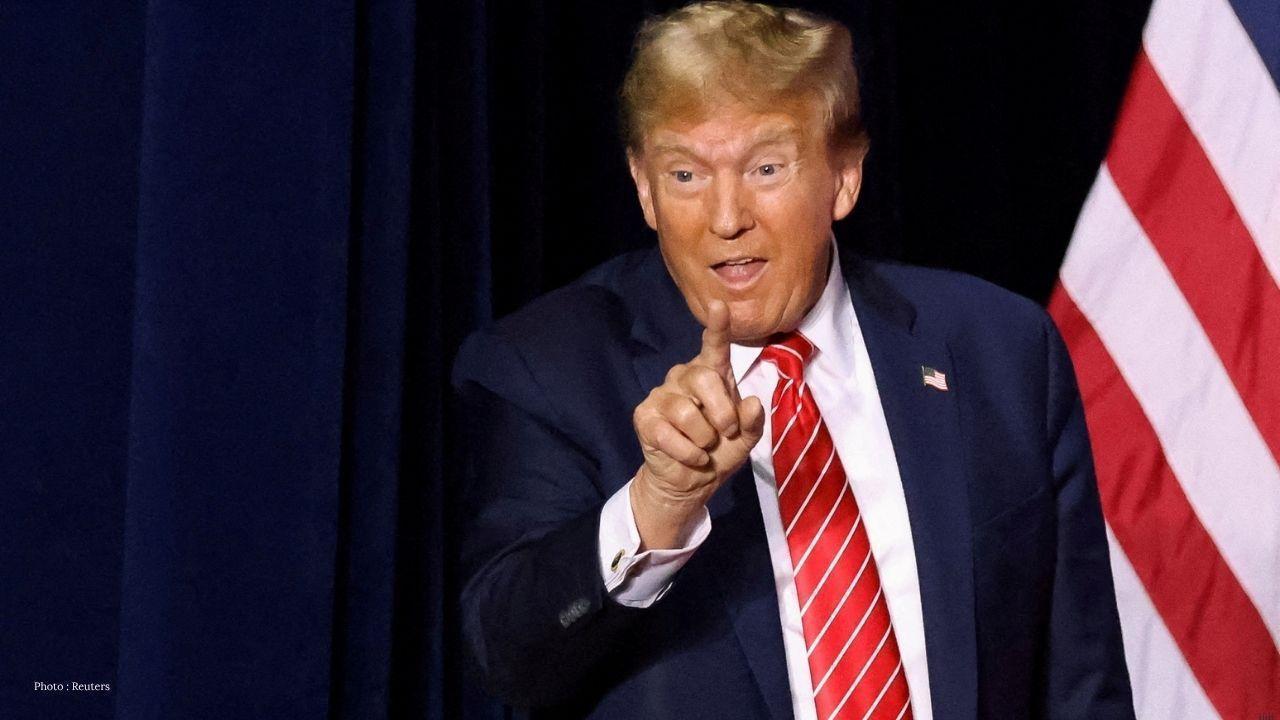
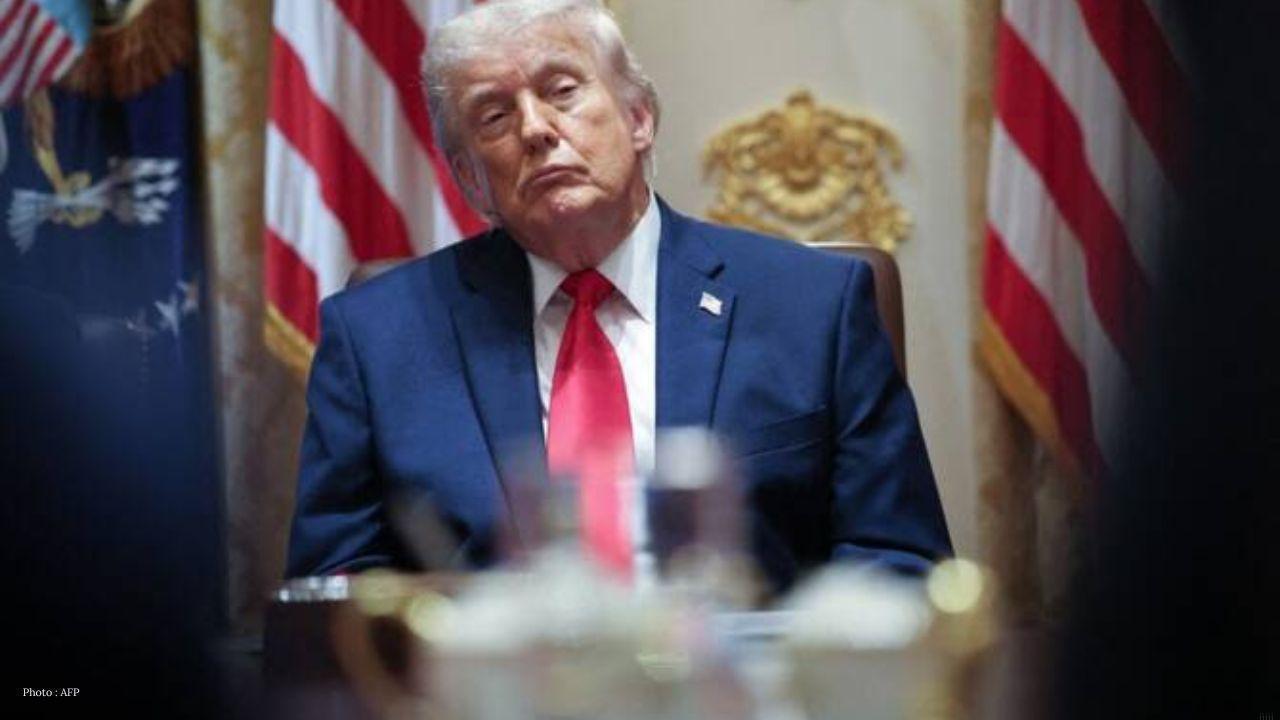
The United States has officially enacted a significant national security law as President Donald Trump signed Congressional Bill S. 4465 on April 30, 2026. Having been approved by Congress, this bill is now part of the federal legislative framework. It aims to prolong crucial surveillance authorities under the Foreign Intelligence Surveillance Act, commonly referred to as FISA.
As stated by the White House, S. 4465 modifies the FISA Amendments Act of 2008 and extends the powers outlined in Title VII of the Foreign Intelligence Surveillance Act of 1978. These authorities predominantly enable US intelligence agencies to oversee communications linked to foreign threats, terrorism investigations, and espionage activities. Government representatives assert that this extension is vital for ongoing national security efforts and ensures a swift response to foreign threats.
The bill’s progression was expedited in the Senate on April 30, gaining approval via voice vote with minimal resistance. Debates among senators indicated varying opinions; some sought additional discussion on privacy safeguards and limits on surveillance, while others argued that the legislation is essential for intelligence gathering and national security. Regardless of the concerns raised, Congress opted to proceed with a temporary extension to prevent any lapse in intelligence operations.
As reported by Bloomberg Government, this legislation provides the federal government with a short-term extension of surveillance powers for approximately six weeks. In this span, lawmakers are anticipated to engage in negotiations for a more enduring solution and potential reforms to surveillance guidelines. This temporary measure allows intelligence agencies to lawfully gather foreign intelligence data while discussions on future law modifications continue.
Proponents assert that this extension is critical, as intelligence agencies rely on surveillance tools to monitor communications involving suspected terrorists, foreign nations, and security threats. Authorities contend that abruptly halting the program could compromise national security efforts and hinder the nation's capability to thwart cyberattacks and foreign interference.
Conversely, critics continue to voice apprehensions regarding privacy and civil liberties. Several lawmakers and privacy advocates advocate for stricter oversight and enhanced safeguards surrounding FISA surveillance powers. They contend that intelligence agencies should face tighter regulations to avert misuse of personal information and unauthorized surveillance. Such discussions are poised to persist as Congress gears up for further deliberations on long-term surveillance reforms in the weeks ahead.
The signing of S. 4465 has once again spotlighted the contentious debate surrounding national security and privacy in American politics. While the law currently ensures uninterrupted intelligence operations, lawmakers across party lines are expected to encounter increasing pressure to reconcile security demands with privacy rights before the temporary extension concludes.


 English