Post by : Anis
Al-Rashid
Return to Nature's Extremes
For ages, comfort has shaped our ways of living. Climate-controlled homes, heated baths, air-conditioned workplaces—we’ve designed life to minimize discomfort. Yet, this came with an unexpected consequence: diminishing our resilience by avoiding stress.
In response, today’s wellness culture is encouraging a shift. People worldwide are willingly engaging in ice baths, early morning river dips, sauna sessions, and thermal shock routines. These intermittent exposure therapies aren’t forms of punishment; they are tools for retraining our bodies to adapt to stress once again.
The core idea is straightforward: controlled discomfort fortifies us both physically and emotionally. Rather than shying away from nature's extremes, humanity is rekindling a relationship with them.
Why Seek Controlled Discomfort?
While modern life provides comfort, it also brings burnout, anxiety, and emotional exhaustion. Humanity evolved under challenging conditions—cold rivers, hot sun, shifting climates. A life of excessive comfort can leave our nervous systems unchallenged and our minds overstimulated.
Cold and heat exposure re-establish this balance by:
– offering a break from digital saturation
– granting control over body and breath
– bringing emotional clarity through physiological reset
– enhancing present moment awareness
– empowering us to manage stress
People are no longer pursuing comfort—they are embracing conscious challenges.
The Appeal of Cold Exposure
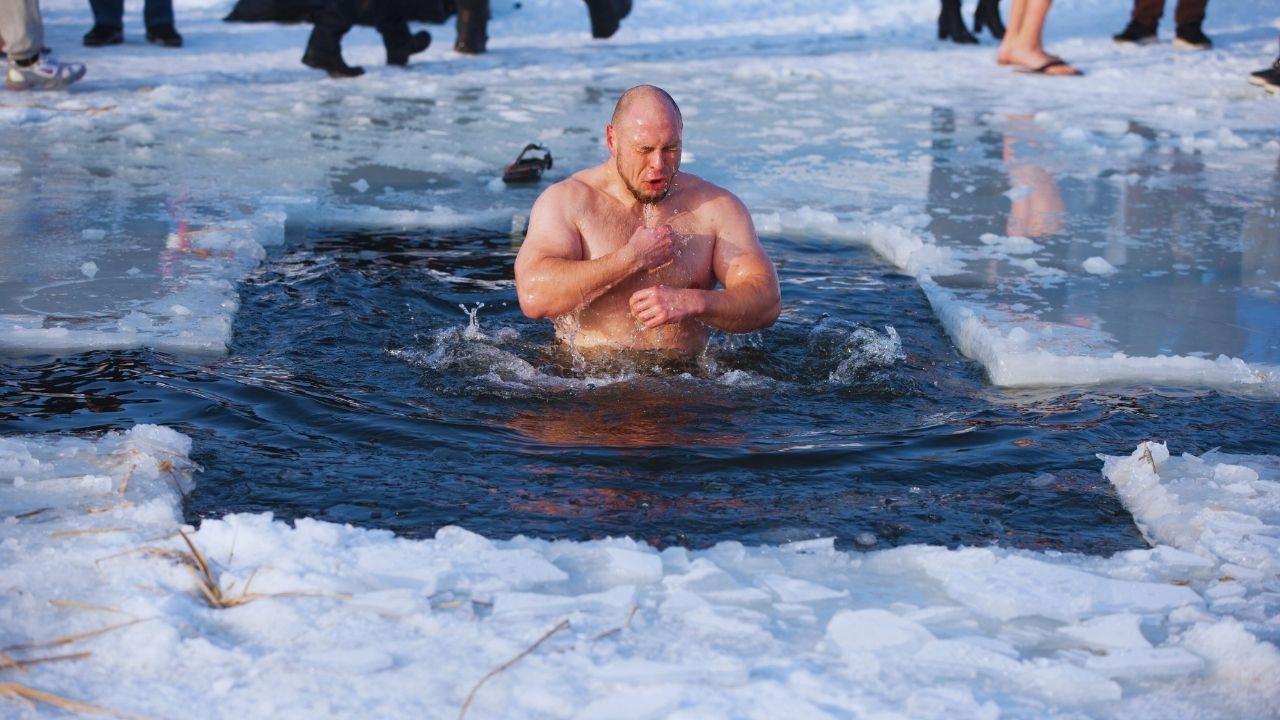
Cold-water immersion has surged in popularity. From Nordic ice baths to Himalayan river plunges and modern cryotherapy, the movement is gaining momentum. So, what drives the attraction to icy waters? A significant biological response.
Benefits of cold immersion include:
– increased endorphin release
– heightened alertness from adrenaline
– improved blood flow
– boosted immune response
– lowered inflammation
– better metabolic function
– enhanced mental resilience and calmness post-stress
Participants often describe their journey through cold as a transition: an initial shock gives way to surrender and ultimately euphoria. The cold washes away distractions, leaving only breath and presence.
Cold exposure acts as a form of meditation, a reset switch for the nervous system.
Revitalizing Heat Exposure
Whereas cold invigorates, heat therapy alleviates tension. Across cultures—be it Nordic, Turkish, Japanese, Native American, Indian, or Middle Eastern—saunas, steam baths, thermal sanctuaries, and relaxation rituals thrive.
Heat exposure promotes:
– detoxification through sweating
– cardiovascular stimulation
– muscle relaxation and pain relief
– respiratory cleansing
– emotional relief
– deeper sleep and activation of calm states
Heat fosters surrender as opposed to shock. It encourages softening, silence, and deep exhales.
Together, heat and cold create a yin-yang wellness balance—one sharpens, while the other soothes.
Understanding Hormesis: Healthy Stress
The wellness community is embracing the concept of hormesis—exposing our bodies to manageable stress for long-lasting strength. Similar practices include:
– intermittent fasting
– breath-holding techniques
– high-intensity short-duration workouts
– mindful sun exposure
Cold and heat therapy similarly embody this science: beneficial stress that heals rather than harms.
Faced with moderate challenges, our bodies gain strength.
Breathing: Connecting Mind and Temperature
Controlled breathing practices are integral to cold and heat therapies. Breath training aids in managing fear, sharpening focus, calming panic, and fostering inner tranquility. It builds emotional resilience. Whether through age-old pranayama or contemporary breath techniques, breathing transforms extreme exposure into a personal journey rather than a struggle.
By breathing through discomfort, individuals learn to navigate life's challenges.
Mental Fortitude: Training the Mind
Both cold and heat exposure are physical practices, yet the real transformation unfolds in the mind:
– calmly facing panic
– maintaining presence amid stress
– mastering emotional control
– cultivating courage
– discovering patience in intensity
As individuals often state:
“If I can remain calm in ice, I can remain calm anywhere.”
Here, the body becomes a classroom, with the mind as the student.
Emotional Release and Wellness
Modern stress often manifests physically—tight shoulders, clenched jaws, shallow breaths. Cold engages the nervous system, while heat relieves tension. Many individuals find profound emotional release during sessions: subtle tears, sudden laughter, overwhelming gratitude.
This isn’t a sign of weakness—it’s a healing mechanism. A reset for emotional circuitry.
Mental wellness now encompasses more than meditation and journaling; it’s also about sensation, breath, and primal connections.
Community in Rituals
Practices like ice baths and sauna sessions are evolving into social events. Groups congregate at beaches, rooftops, rivers, wellness centers, and gyms to engage together. Such rituals foster community through shared challenges.
Connection in today's world often arises from discomfort rather than comfort. Cold and heat practices unite individuals—bonded through breath, silence, and mutual breakthroughs.
This transcends fitness—it’s the renaissance of human connection.
Modern Urban Integration
This trend isn’t confined to rural or spiritual lifestyles. Urban wellness centers now provide:
– thermal contrast rooms
– guided ice-bathing events
– meditative sauna gatherings
– rooftop cold plunges
– breath-and-cold training camps
– spa-circuit experiences
City stress squares off against primal therapy. Silence encounters stimulation. The ancient meets modern architectural design.
Wellness evolves into both ritual and lifestyle.
Daily Habits of Thermal Exposure
More individuals are adopting small thermal routines daily:
– cold showers
– alternating hot and cold taps
– ocean dips at dawn
– backyard ice baths
– visits to steam rooms
– memberships at sauna clubs
The emphasis isn’t on intensity—it’s about consistency. A few minutes daily transforms into a lifelong practice.
Just as morning runs shaped past fitness cultures, morning plunges are emerging as a new discipline for achievers and wellness enthusiasts alike.
Spiritual Connections
Cold and heat exposures link individuals with natural elements—water, fire, breath, earth. There’s grounding in the extremes of nature. Spiritual practitioners recount:
– suppressing the ego
– yielding to the forces of nature
– cultivating gratitude for existence
– enhancing presence
– experiencing energy shifts
In extreme conditions, facades dissipate, revealing the true self.
Mindful Approach to Safety
These practices wield power and, like any wellness tool, necessitate responsible and conscious use. Gradual adaptation, hydration, medical vigilance, breath regulation, and suitable guidance for novices will maximize benefits without risks.
Listening to our bodies is paramount—this practice isn’t competitive.
The objective is self-respect, not self-punishment.
Final Thoughts
Intermittent exposure therapy signifies more than a trend—it embodies a return to ancient wisdom. It serves as a reminder that our bodies flourish in the face of challenge, our minds strengthen through presence, and our spirits awaken in the absence of comfort.
Cold sharpens the mind.
Heat enriches the soul.
Breath steadies the heart.
As we navigate a world crafted for ease, we are rediscovering the profound healing potential found in adversity—not as suffering, but as growth. The future of wellness might not solely reside in gyms and diets but within the elements: breath, ice, heat, wind, water,earth—and the capacity to remain composed amidst them.
Disclaimer:
This article serves informational and editorial ends. Cold and heat exposure may not suit everyone. Those with medical conditions or significant sensitivities should consult a healthcare expert before starting any exposure practices. Always cultivate tolerance gradually and heed safe guidance.


 English