Post by : Anis
Al-Rashid
The Emergence of Smart Home Technology
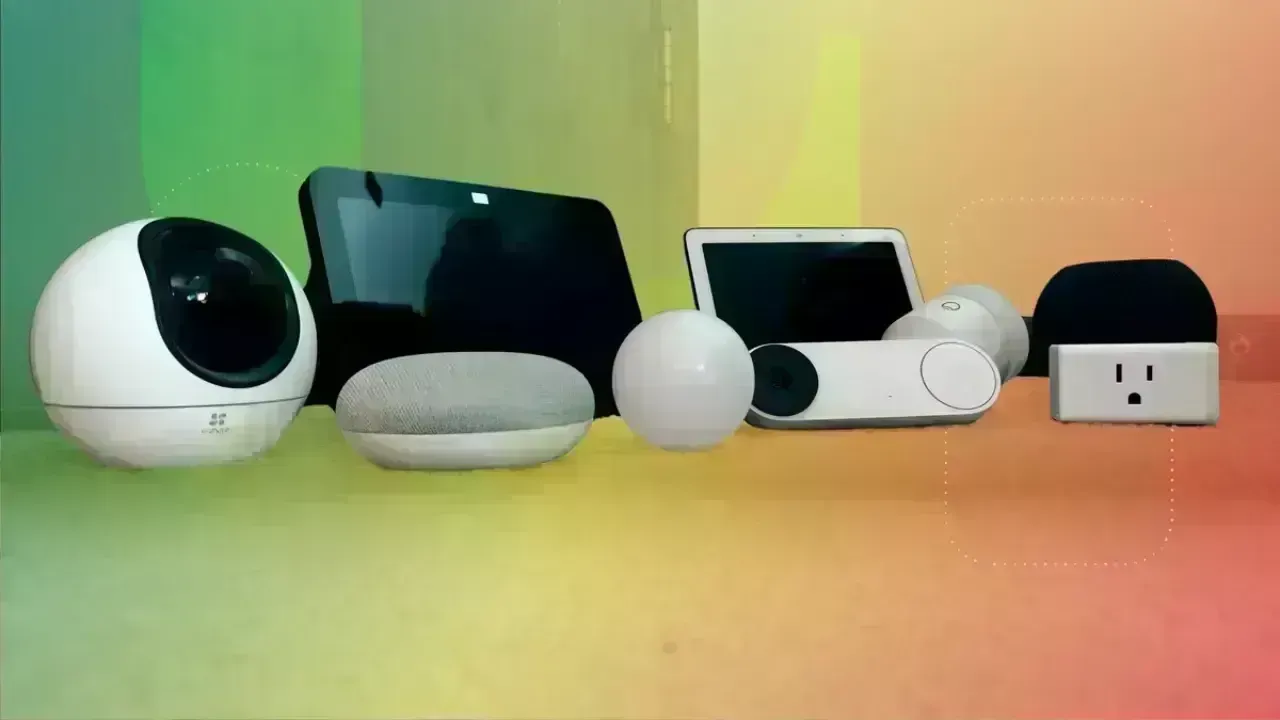
No longer just a vision of the future, smart homes have permeated daily life, featuring devices that enhance comfort and streamline routines. The rising affordability and reliability of internet connectivity have spurred a shift towards practical smart home technology, driven by genuine needs instead of mere curiosity.
Central to this transformation is the increased demand for automation and control. Everyone seeks homes that can adapt to their personal habits and reduce manual tasks. From controlling lighting via smartphone apps to managing room temperatures automatically, smart devices are revolutionizing household functionality. These technologies have progressively become simpler to install and more user-friendly, leading to their widespread embrace.
Smart Speakers as a Gateway
The Starting Point for Many Users
Smart speakers often serve as the first introduction to the smart home ecosystem for users. They function as control hubs, enabling seamless interaction with various connected devices using voice commands. The attraction lies in the ease of hands-free operation, quick access to information, and smooth integration with other gadgets.
Users frequently utilize smart speakers for playing music, setting reminders, and managing calendars. Gradually, they discover other capabilities, like adjusting lights or televisions with simple voice prompts. Their user-friendliness has made smart speakers among the top-selling gadgets in the smart home market.
The Essential Role of Voice Control
Voice interaction is increasingly favored as it simplifies tasks. Instead of fiddling with apps or switches, users can easily command their devices while engaged in other activities like cooking or cleaning. This functionality appeals widely to families, seniors, and those with mobility issues, while advancements in voice recognition technology enhance the relevance of these devices in daily life.
Smart Lighting Solutions
Illumination as a Key to Automation
Smart lighting is quickly becoming a go-to choice for many consumers, often beginning with smart bulbs or switches that are easy to set up and provide immediate value. Users are empowered to manage brightness and color through mobile apps or voice commands.
Automatic adjustments, such as lights activating at sunset or dimming through movie mode, contribute to its popularity. These efficiencies make smart lighting a valuable addition to modern homes.
Energy Savings and Atmosphere Control
Beyond convenience, smart lighting enhances energy efficiency through scheduled settings and motion detectors that curtail power wastage. Moreover, users can manipulate lighting to set moods, whether for working, relaxing, or entertaining. This blend of functionality and personalization underlines the reasons for smart lighting’s prevalence.
Smart Security Solutions
Monitoring for Peace of Mind
Security vastly influences smart home purchases, with smart cameras ranking among the most desirable products. They provide real-time property monitoring, motion alerts, and remote video access, giving users a robust sense of security.
Homeowners appreciate the empowerment of checking on their premises anytime. Whether for deliveries or monitoring pets, smart cameras deliver a reassurance often missing from traditional security solutions.
Versatile Installation Options
Smart cameras can be installed both indoors and outdoors. Indoor models help keep an eye on children or pets, while outdoor versions focus on security perimeters. Instant smartphone notifications have revolutionized home security attitudes, marking these devices as frequent purchases.
Innovative Smart Doorbells
Transforming Entryway Experiences
Smart doorbells have gained prominence as an essential smart home device. Combining camera, microphone, speaker, and motion sensors, they provide immediate notifications and allow remote communication with visitors.
This functionality is especially practical in the age of home deliveries, enabling users to confirm arrivals and interact with delivery personnel, even when away from home.
The Blend of Security and Practicality
Smart doorbells' appeal stems from their dual purpose, enhancing security while offering daily convenience. The ability to visually and audibly engage with visitors while away has set new standards for home access management.
Smart Thermostat Functionality
Balancing Comfort and Savings
Homeowners increasingly opt for smart thermostats to boost comfort and curve energy costs. These devices learn user preferences and fine-tune heating and cooling systems for optimal efficiency.
Unlike conventional thermostats, smart variations offer remote operation, making it easy to adjust settings pre-arrival. This feature appeals to busy individuals and travelers who desire comfort without unnecessary energy use.
Sustainable Cost Efficiency
Many choose smart thermostats for their potential savings over time. By managing energy consumption, these devices can significantly lower utility expenses and appeal to environmentally conscious consumers.
Smart Plugs and Switches
Enhancing Ordinary Devices
Affordable and versatile, smart plugs and switches allow users to convert non-smart devices into smart products. This instant expansion of home automation enhances convenience.
Common uses include controlling lamps, fans, and chargers. Scheduling features enable automation, from morning wake-ups to nighttime shutdowns.
Convenience and Versatility in Use
Smart plugs require no permanent installation, catering to renters and first-time smart home users alike. Their mobility and low price make them frequent choices among consumers.
Connected Entertainment Devices
The Centralized Entertainment Hub
Smart TVs are now commonplace, integrating internet capabilities and access to streaming services. Consumers increasingly expect televisions to function cohesively with other smart home devices.
Beyond televisions, smart streaming devices enhance the entertainment experience with centralized management, tailored recommendations, and voice-activated controls.
Entertainment as a Key Driver
Smart devices enrich daily entertainment, making them appealing without requiring users to shift their lifestyles significantly. This accessibility has fostered widespread adoption in smart homes.
Expanding Smart Lock Options
Advanced Convenience and Security
Smart locks are increasingly integrated into urban homes, enabling remote door access, temporary guest entry, and activity monitoring.
The draw lies in convenience and safety, removing worries about lost keys and permitting digital entry management.
Growing Confidence in Digital Security
Improvements in encryption and authentication bolster consumer confidence in smart locks, driving adoption particularly among those prioritizing both security and convenience.
Essential Smart Home Sensors
Impactful, Yet Subtle Devices
While less noticeable than cameras and speakers, sensors like motion detectors and environmental sensors are vital for automation and security in smart homes.
These devices can trigger actions such as activating lights, sending alerts, or adjusting climate controls, proving essential in creating integrated smart ecosystems.
Intelligent Automation from Awareness
By recognizing environmental changes, sensors facilitate intelligent responses, fostering efficiency and boosting safety—key factors for users expanding their smart home systems.
Advancing Smart Appliances
Next-Gen Home Automation
Devices like smart refrigerators and robotic cleaners are on the rise, offering features such as remote management and performance optimization.
While often pricier than other smart gadgets, the compelling long-term convenience and efficiency encourage consumers to invest in these advanced appliances.
From Luxury to Mainstream
Once viewed as luxury items, smart appliances are becoming necessities. As prices drop and functionalities improve, they are penetrating more households and fuelling growth in the smart home sector.
Factors Influencing Consumer Choices
The Ease of Use as Key Motivation
Convenience stands out as the primary factor driving smart home device purchases. Gadgets designed to save time and streamline daily tasks naturally attract consumers.
Affordability and Availability
As technology develops, prices have fallen. Many popular smart products now serve as affordable gateways to smart living, inspiring experimentation and gradual system expansion.
Growth Through Interconnectivity
Users tend to select devices that integrate seamlessly with existing products. Once one smart gadget is adopted, the pathway for further investments into smart home improvements becomes more accessible.
Future Directions for Smart Home Trends
Buying trends indicate a future shift towards cohesive systems rather than standalone products. Consumers are now seeking devices that work in harmony, adapt intelligently, and offer tangible value beyond initial allure.
As awareness and technology advance, smart homes will shift from collections of individual gadgets to unified environments. The devices that consumers favor today are establishing the framework for tomorrow’s living spaces.
Disclaimer:
This article is for informational purposes only. Product availability, features, and user experiences may vary depending on region, manufacturer, and individual usage patterns.


 English