Post by : Sami
Al-Rahmani
Exploring Rice Water for Acne-Prone Skin: Benefits, Risks, and Expert Tips
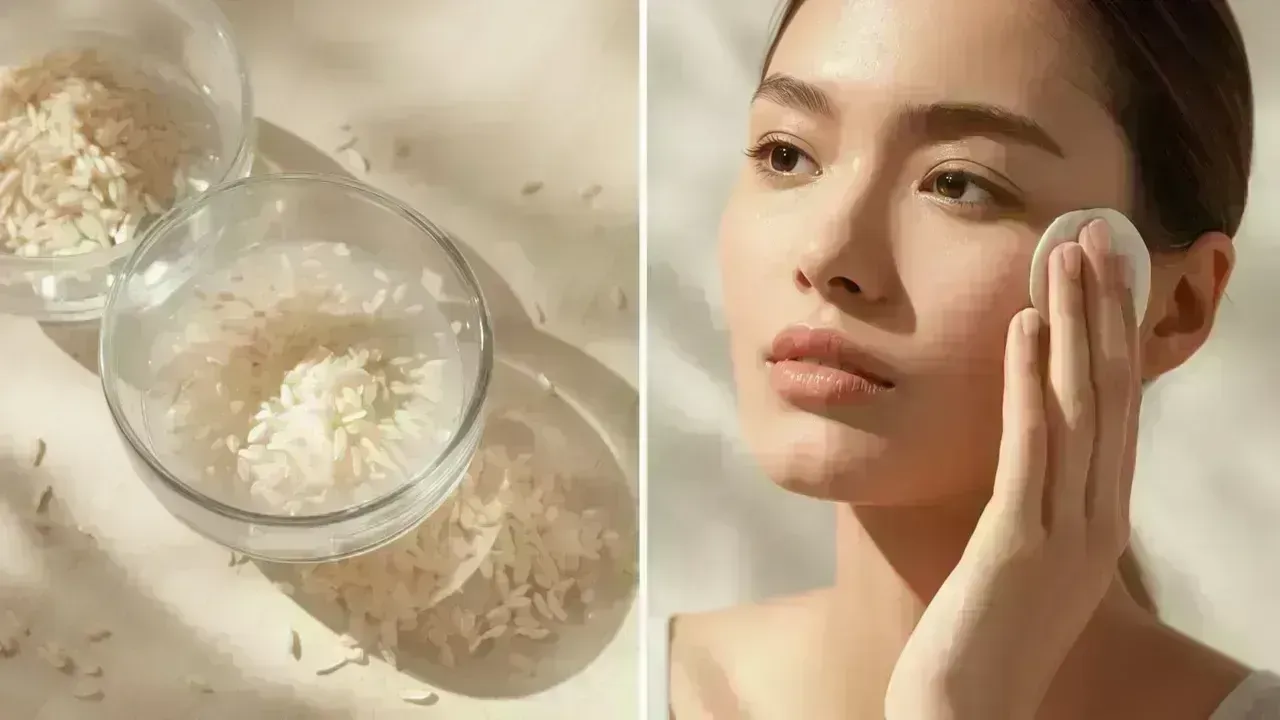
Rice water is gaining traction as a natural skincare remedy across social media and beauty platforms. Advocates praise its potential skin benefits, including brightening and texture improvement. Many with acne-prone skin are curious if rice water can truly help diminish breakouts or soothe irritation. Despite containing beneficial nutrients for skin health, experts emphasize the importance of understanding both its advantages and limitations before incorporating it into a skincare regimen.
Natural remedies may offer skin support, yet acne is multifaceted, impacted by factors like oil production, hormones, and lifestyle. Results can differ greatly among individuals.
What Is Rice Water and Its Skincare Purpose?
Rice water is the starchy liquid that remains after soaking or boiling rice. It's noted for its vitamins, amino acids, minerals, and antioxidants that could benefit the skin barrier. Traditionally used in several Asian beauty rituals, it has recently gained traction due to claims of brightening and irritation-soothing effects.
The appeal for acne-prone skin lies in rice water's calming and oil-regulating properties. However, skincare experts advise caution when using natural ingredients, especially on sensitive or inflamed skin.
Benefits of Rice Water for Acne-Prone Skin
1. Potential to Soothe Skin Irritation
Many with acne-prone skin experience inflammation and sensitivity. Rice water's compounds might have a soothing impact on irritated skin. Users often report reduced redness or discomfort when applied gently within a simple skincare regimen.
As traditional acne treatments can cause dryness or irritation, mild ingredients that promote skin comfort may enhance overall balance.
2. Aids Skin Barrier Function
A robust skin barrier is vital for managing acne. A compromised barrier can amplify irritation and sensitivity. Rice water's nutrients may help retain moisture and enhance barrier function when used correctly.
Maintaining a healthy skin barrier can combat excessive dryness and build skin resilience over time.
3. May Help Manage Excess Oil
Some individuals report that rice water makes their skin feel less oily. Given that excessive oil production can trigger acne, this quality has drawn interest from those with acne-prone skin.
However, effectiveness varies by skin type; what alleviates oiliness for one person might lead to dryness for another.
4. Rich in Antioxidants Supporting Skin Health
Rice water is packed with antioxidants that could shield the skin from environmental stress. While not a direct acne treatment, healthier skin may be better equipped to recover from irritation and inflammation.
Antioxidants are staples in many skincare products due to their long-term skin health benefits.
Risks and Considerations
1. Not a Verified Cure for Acne
A common misconception is that rice water is a definitive solution for acne. Dermatologists advise against using it as a main treatment. Effective acne management often demands a targeted approach based on severity and underlying causes.
Although rice water may soothe some individuals, it isn't a substitute for professional acne treatments when necessary.
2. Homemade Variants May Cause Irritation
Not all rice water formulas are created equal. Homemade versions can ferment or become contaminated if not stored properly, and fermented rice water may irritate sensitive skin when used too often.
People with reactive skin may experience irritation or increased breakouts if their skin does not tolerate it well.
3. Excessive Use Can Unbalance Skin
Using any skincare product too frequently—even natural ones—can disrupt skin balance. Overusing rice water may lead to dryness or tightness for some users.
Experts recommend gradually introducing new skincare elements and closely monitoring skin reactions.
4. Professional Help for Certain Acne Forms
Moderate to severe acne, including cystic or persistent breakouts, may need professional treatment. Delaying necessary care in favor of home remedies risks worsening inflammation or scarring.
Thus, dermatologists view rice water as a skin-supportive ingredient rather than a definitive remedy.
Expert Recommendations for Safe Rice Water Use
Experts advise simplicity and caution when utilizing rice water for acne-prone skin.
Recommendations include:
- Patch test before broad application
- Opt for freshly prepared rice water
- Avoid multiple daily applications
- Discontinue use if irritation occurs
- Integrate with a gentle skincare routine
Combining too many DIY treatments can overwhelm acne-prone skin.
Who Should Refrain from Rice Water Use?
Individuals with extremely sensitive skin, eczema, compromised skin barriers, or severe inflammatory acne should use caution. As skin reactions vary, what suits one person may not be right for another.
If breakouts worsen, it's advisable to stop use and consult a skincare expert.
Conclusion
Rice water may provide soothing and supportive qualities for acne-prone skin if used with care in a well-rounded skincare plan. However, setting realistic expectations is crucial. While some users might find improvements, rice water isn't a scientifically endorsed solution for acne.
Effective skincare relies on consistency, gentle products, good hygiene, and understanding individual skin needs. Natural methods can support this journey, but professional advice remains vital for managing persistent acne issues.
Disclaimer
This article serves for informational purposes and should not replace professional dermatological guidance. Individual skin reactions may vary; consult a qualified dermatologist for ongoing or severe skin conditions.


 English