Post by : Samir
Qureshi
A Timeless Tribute to Love
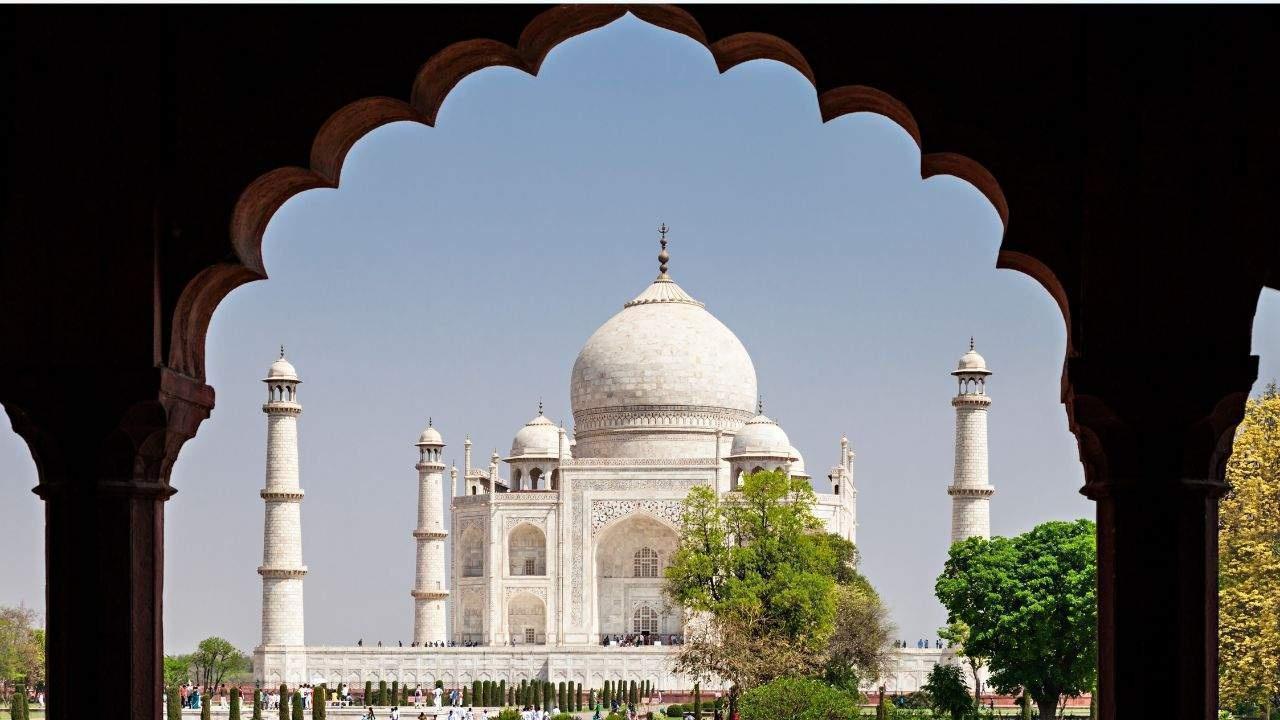
Among the world's attractions, few draw the same admiration as the Taj Mahal. This stunning white marble mausoleum, majestically situated by the Yamuna River in Agra, serves as a testament to love, artistic finesse, and deep cultural heritage. Commissioned by Emperor Shah Jahan to honor his cherished wife, Mumtaz Mahal, the Taj Mahal stands as a breathtaking marvel, captivating countless visitors with its grandeur and poignant backstory.
The monument's charm transcends time, luring people not only with its architectural magnificence but also with the romantic history that it embodies.
A Legendary Romance Inspires a Masterpiece
Shah Jahan & Mumtaz Mahal: An Enduring Love Story
The compelling relationship between Shah Jahan and Mumtaz Mahal has become part of Indian folklore. Their marriage in 1612 was more than a union; Mumtaz was a strategic partner in his reign. Tragically, her death in 1631 during childbirth left the emperor devastated. In a bid to commemorate her legacy, he embarked on the construction of the Taj Mahal, ensuring that her memory would endure through the ages.
From Heartache to Architectural Grandeur
The Taj Mahal symbolizes how grief can manifest as beauty. Each intricate detail—from the soaring domes to the elaborate inlays—encapsulates Shah Jahan’s affectionate tribute to Mumtaz. This monument transcends mere tomb; it stands as an emotional testament crafted in marble, epitomizing unending love.
Awe-Inspiring Architectural Mastery
The Taj Mahal is celebrated as one of the world’s premier architectural wonders. Its design artfully melds Mughal, Persian, and Indian artistic styles, resulting in an enchanting and aesthetically exquisite edifice.
Influences of Mughal and Persian Artistry
-
Symmetry reigns supreme in the layout of the Taj Mahal, with a central dome flanked by four elegant minarets.
-
Arches, intricate calligraphy, and geometric designs showcase Persian architectural traits, harmonizing beautifully with Indian influences.
-
The tiered gardens, inspired by Charbagh aesthetics, symbolize a paradise within Mughal cultural context, amplifying the monument's spiritual atmosphere.
Marble Splendor and Inlaid Masterpieces
The Taj Mahal's radiant Makrana marble serves as a backdrop for exquisite pietra dura artistry. Precious stones such as lapis lazuli, jade, and turquoise are meticulously set into floral and geometric designs, offering an unforgettable visual experience.
Highlights of artistry include:
-
Every gem is hand-carved and positioned with precision.
-
Floral designs reflect the Mughal’s aesthetic appreciation for nature.
-
Calligraphy adorned throughout features verses from the Quran, adding spiritual depth to the monument's resonance.
The Journey of Creation: 22 Years of Effort
The construction of the Taj Mahal was not a rapid endeavor. Kicking off in 1632, the project unfolded over 22 years, employing around 20,000 skilled artisans, craftsmen, and laborers.
Engineering Marvels at Play
-
The foundation required innovative hydraulic systems to avert flooding from the nearby Yamuna River.
-
The central dome elevates to a height of 73 meters, the proportions expertly balanced with the adjacent minarets.
-
Each marble panel was carefully aligned to ensure symmetry—a significant feat of geometric skill.
Adversities and Innovations
-
The transport of marble from remote quarries in Rajasthan depended on hundreds of elephants.
-
Coordinating thousands of artisans demanded extensive planning and oversight.
-
Notwithstanding the trials, the effort culminated in a remarkably precise creation that has withstood the test of centuries.
Significance and Cultural Relevance
The Taj Mahal transcends its identity as a tomb; it embodies a symbol of India's vast cultural history and the enduring power of love.
A Celestial Garden
The flowing gardens, reflective pools, and symmetric pathways symbolize heavenly perfection and eternal serenity. The monument embodies the Mughal ideal concerning paradise, intertwining spiritual aspirations with architectural mastery.
Enduring Influences in Art and Tourism
-
Creators, from artists to filmmakers, draw regular inspiration from the monument's magnificence.
-
A proud UNESCO World Heritage Site since 1983, it welcomes millions of visitors each year.
-
Its impact extends beyond India, inspiring contemporary architecture, artistic creations, and even jewelry design.
Fascinating Insights About the Taj Mahal
-
Transformation in Hue: The marble emanates various shades as daylight shifts—from soft pink at dawn to brilliant white at noon and golden at sunset.
-
Shah Jahan's Resting Place: In a twist of fate, the same emperor who commissioned the Taj was later interred alongside his beloved.
-
Elephants at Work: The logistics of transporting materials involved over 1,000 elephants.
-
A Global Legacy: The Taj Mahal’s design has inspired a multitude of replicas, artworks, and cultural expressions all over the globe.
Thus, the Taj Mahal serves as more than just a physical structure; it tells a profound story of human desire, love, and artistry.
Experiencing the Taj Mahal Today
A visit to the Taj Mahal is an exploration of history, artistry, and emotions. Here’s how new visitors can delve into its legacy and splendor:
-
Visit Planning: Early mornings or late afternoons yield soft lighting for photography and a tranquil atmosphere.
-
Garden Exploration: The Charbagh setting enhances the feeling of walking through an earthly paradise.
-
Detail Observation: Spend time respecting the intricate inlays, calligraphy, and balance of the design.
-
Heritage Respect: Follow local guidelines to protect this monumental legacy for future generations.
Immersing oneself in the experience of the Taj Mahal transcends mere tourism; it is a journey into a narrative of love and legacy.
Life Lessons from the Taj Mahal
The Taj Mahal imparts lasting wisdom about existence, affection, and creativity:
-
Love is Timeless: Heartache and devotion inspire creations that persevere beyond any era.
-
Every Detail Counts: Each design component was intentional, showcasing the significance of meticulousness and patience.
-
True Legacy Requires Care: Genuine artistry harmonizes vision, mastery, and emotional involvement.
-
Beauty Lies in Balance: Symmetry and equilibrium convey not only aesthetic allure but also deep spiritual and philosophical meanings.
The Taj Mahal serves as a poignant reminder that human emotions, thoughtfully expressed, can leave an enduring impact on our world.
Spiritual Reflections and Important Considerations
The Taj Mahal transcends simple architecture; it is a reflection of devotion, creativity, and timeless splendor. It illustrates how emotions, combined with talent and care, can yield beauty that resonates across the ages.
Important Note
This piece aims to offer educational and cultural insights. While celebrating the Taj Mahal's artistry and history, readers are encouraged to visit responsibly and honor local traditions. The information shared herein serves purely for general knowledge and inspiration.
Disclaimer
This article is structured for educational, cultural, and informational purposes only. Although it navigates through the history, architecture, and legacy of the Taj Mahal, it is advised that readers verify details independently and uphold responsible visiting practices to respect local preservation efforts. The content is devoid of professional, legal, or travel counsel.


 English