Post by : Anis
Al-Rashid
Serving food to others has long served social and spiritual roles in many societies. In South Asian contexts especially, the idea of seva — acting for others without seeking reward — has tied communal meal-sharing to rituals and charitable work. Historically, institutions such as gurudwaras prepared and offered free meals to anyone who came, underscoring inclusion as a core value.
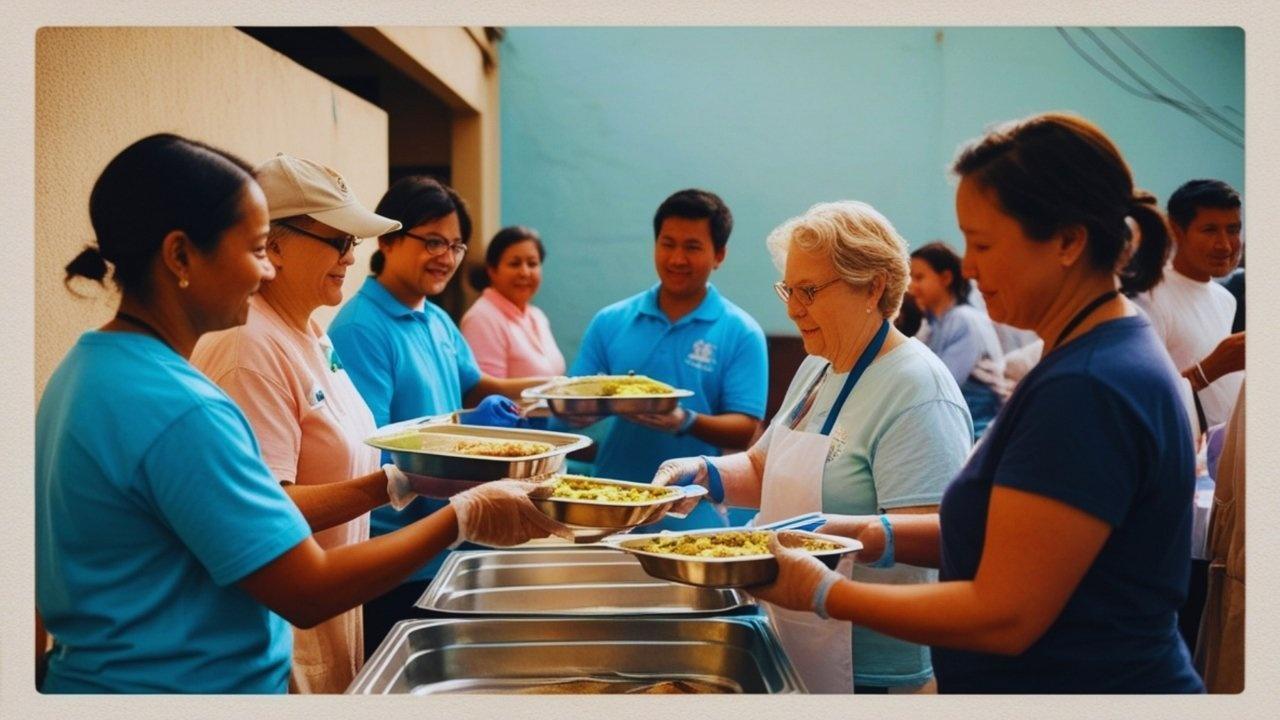
Recently, these meal traditions have stepped outside of temples and shrines. Community dining events rooted in seva values are now organized by neighbourhood groups, civic initiatives and private collectives. These gatherings are often framed not only as aid but as a way to bring people together and express shared values.
This report outlines how Food for Seva has evolved, its social role, and the ways it is shaping everyday choices.
Understanding Food for Seva
Seva: A Social Practice with Spiritual Roots
At its core, seva promotes acting for the benefit of others without expecting payback. Meal preparation and sharing have been key expressions of this ethic. Longstanding practices such as the langar demonstrate how food can be offered to all, regardless of background, and have inspired newer community-based models.
Contemporary Forms
Today, seva-inspired meals appear in many civic spaces. From pay-it-forward pop-ups to volunteer-run kitchens, organisers aim to mix hospitality with social purpose. These events often highlight inclusivity, reduce barriers to participation, and invite contributions from a broad range of volunteers.
From Service to Lifestyle
The move from solemn charity to a lifestyle choice mirrors wider cultural shifts. Shared cooking and dining are used to signal values, foster networks and create memorable social occasions. For many, taking part is an act of mindful living that links food with ethics and community.
Drivers Behind the Trend
Rebuilding Social Ties
In a time of growing online interaction, face-to-face meal events provide a concrete way to reconnect. Preparing and eating together builds teamwork, turns strangers into acquaintances, and helps reduce social isolation through direct engagement.
Exploring Food Cultures
Community meals usually bring diverse culinary traditions into one space. Participants share recipes, test new flavours, and blend traditional cooking with modern twists, creating a lively forum for food discovery while working toward a shared goal.
Wellbeing and Awareness
Food for Seva often encourages attention to ingredients and preparation methods. Joint cooking sessions can lead to healthier choices, more plant-based dishes, and less waste. The act of helping also contributes to volunteers' sense of purpose and mental wellbeing.
Role of Social Media
Platforms such as Instagram and TikTok amplify these events, showcasing both the food and the social impact. Visual storytelling helps spread ideas quickly, prompting more groups to try similar formats.
Sustainability in Practice
Environmentally Minded Approaches
Many modern initiatives pair seva values with eco-conscious measures: sourcing locally, avoiding single-use materials and adopting zero-waste cooking. These practices resonate with younger participants who prioritise environmental responsibility.
Reducing Food Waste
Leftovers from community events are frequently redirected to shelters and charities, creating a cycle that addresses food surplus and supports vulnerable groups. This approach combines practical charity with broader sustainability aims.
Partnerships and Scale
Organisers often work with farms, culinary schools and food businesses to broaden reach and improve logistics. Such collaborations increase impact and introduce volunteers to professional skills and responsible sourcing.
Impact on Culture and Habits
Shaping Modern Social Status
In many cities, visible social contribution complements traditional status markers. Taking part in community meals signals a commitment to empathy and civic participation, and has become a recognized expression of conscious living.
Changing Dining Preferences
Consumers increasingly favour venues that support social causes or host community dining experiences. This encourages hospitality businesses to include social responsibility in their offerings.
Learning Opportunities
Community kitchens double as classrooms: participants exchange knowledge about nutrition, hygiene, regional recipes and cross-cultural cooking techniques, strengthening local ties and individual skills.
Obstacles to Wider Adoption
Operational Complexity
Scaling community meal events requires careful planning: sourcing ingredients, scheduling volunteers, meeting health standards and maintaining quality. These operational demands can limit how quickly programmes expand.
Keeping Authenticity
Balancing the original ethic of seva with lifestyle appeal is delicate. Over-commercialisation or excessive focus on public exposure can weaken the movement's foundational aim of humble service.
Maintaining Interest
Long-term engagement depends on ongoing innovation. If events become repetitive, volunteers and attendees may lose interest. Introducing varied menus, training elements and fresh formats helps sustain participation.
Global Models and Collaboration
Adapting Worldwide
Although rooted in South Asian tradition, seva-inspired meals have been adapted in cities around the world. Volunteer kitchens, social dining collectives and pop-up events in major urban centres reflect the same commitments to openness and shared responsibility.
Corporate and Institutional Roles
Companies increasingly include community meals in their CSR programmes, encouraging staff volunteering and sponsoring large-scale food initiatives to strengthen employee engagement and social impact.
Merging Old and New
The trend shows how traditional service practices can be reframed for modern contexts. Time-honoured values are combined with coordination tools, storytelling and contemporary culinary trends to reach wider audiences.
Looking Ahead
Digital Growth
Technology is likely to boost participation further. Apps and online platforms can connect volunteers, manage logistics and enable virtual contributions that support in-person events across regions.
Focus on Health
Future programmes may emphasise nutrition and mental wellness, integrating advice from dieticians and other experts to ensure meals are balanced and health-conscious.
Normalization as Lifestyle
With growing awareness, seva-based community meals may become a routine practice rather than an occasional activity. Volunteer cooking and shared dining could be woven into daily life, strengthening cultures of giving.
Summary
Food for Seva has shifted from niche religious practice to a broader community movement. It links charitable service with social connection, environmental thinking and personal wellbeing.
Joining seva-inspired meal events offers participants practical benefits — from building friendships to learning culinary skills — while promoting inclusive and mindful living. As more groups adopt these models, the concept is poised to influence how communities eat and care for one another.
Disclaimer:
This article is for informational purposes only and does not constitute professional advice. Readers should verify local regulations, health standards, and community guidelines before organizing or participating in community meal initiatives.


 English