Post by : Saif
Al-Najjar
As Eid approaches, families in the Gaza Strip are faced with overwhelming adversity, continuing to navigate the challenges posed by persistent conflict that disrupts daily life and humanitarian support. Many individuals are displaced, grappling with acute shortages of food and medical supplies, their futures uncertain.
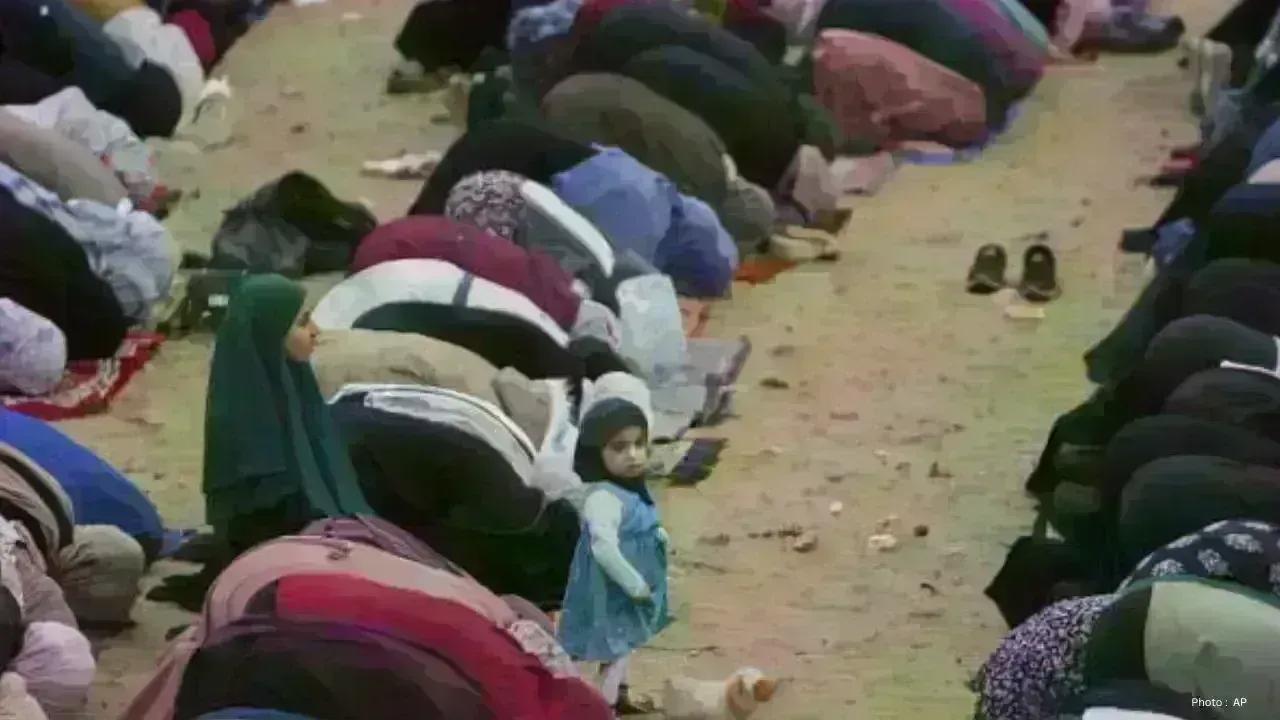
Eid, a time for joy, family gatherings, prayer, and community fellowship for Muslims, is shadowed this year by the realities of damaged homes, makeshift shelters, and ongoing security threats in Gaza.
The protracted conflict involving Israel and Palestinian factions has led to a dramatic humanitarian crisis that has persisted for months. Thousands of families have been forcibly removed from their houses, while vital services such as education and healthcare have suffered significant setbacks.
In many regions of Gaza, residents struggle with a lack of electricity, inadequate access to clean drinking water, and scarcity of essential goods. Humanitarian groups have repeatedly emphasized the dire conditions facing children, the elderly, and families who have been displaced.
This Eid, many parents worry about fulfilling their children's expectations for traditional celebrations. The customary gifts, new clothes, and festive meals are financially unattainable for numerous households battling economic decline and scarce resources.
Humanitarian workers report that emotional stress is escalating among civilians. The ongoing conflict leaves children dealing with fear, trauma, and uncertainty, impacting their mental health and educational prospects for years to come.
International bodies are calling for enhanced humanitarian access and proactive measures to safeguard civilians. Agencies underscore the vital importance of providing food, medical aid, and shelter to communities impacted by hostilities.
Religious leaders from the region have united in advocating for peace and compassion for those suffering during Eid. Local charitable organizations are mobilizing efforts to assist vulnerable groups, including displaced families and at-risk children.
The fallout from the conflict is also destabilizing Gaza’s economy, with numerous businesses failing, high unemployment rates, and an increasing reliance on humanitarian aid for survival.
Healthcare systems are under significant strain, as medical professionals work in challenging environments to care for injured civilians while confronting shortages in medication and essential equipment.
Political specialists assert that the humanitarian crisis is emerging as one of the foremost global issues tied to the ongoing conflict. Global leaders and organizations are engaged in discussions regarding ceasefires, aid logistics, and sustainable political solutions.
Despite overwhelming hardship, many residents in Gaza are striving to uphold Eid traditions, finding solace in their faith and community ties amid ongoing uncertainty.
Experts predict that the continued strife could impose lasting social and economic repercussions for future generations. Children raised in conflict zones are likely to face disruptions to their education and ongoing psychological stress.
International focus remains on amplifying humanitarian assistance and mitigating violence. Various countries and organizations are pressing all parties involved to de-escalate tensions and ensure civilian safety.
The implications of this enduring conflict have heightened discussions concerning the broader societal impacts, as political instability and violence disproportionately affect civilians rather than military leaders.
Humanitarian agencies assert that urgent assistance remains critical, especially during sacred occasions like Eid when families are traditionally joined in joyous celebration.
Global sentiment has resonated with calls for peace, humanitarian support, and diplomatic efforts aimed at lessening civilian distress. Nonprofits and charities worldwide are ramping up fundraising initiatives to aid affected communities.
The challenging circumstances of Eid in Gaza mirror the expansive humanitarian difficulties spawned by prolonged conflict and political unrest. Civilians persist in bearing the brunt of uncertainty, displacement, and economic challenges affecting their everyday lives throughout the region.
As families congregate despite these strenuous conditions, the hope for peace and stability remains, with aspirations for a future where religious observances can be conducted free from fear, destruction, and humanitarian crises.


 English