Post by : Saif
Al-Najjar
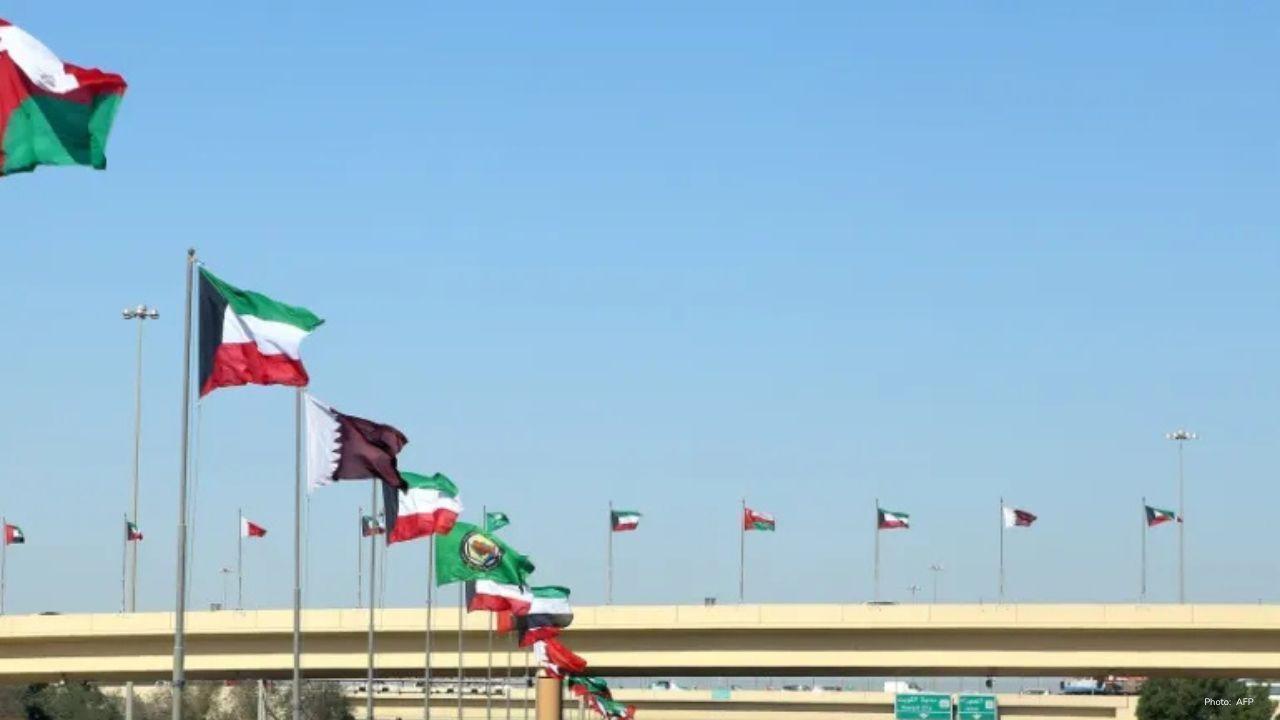
The Gulf Cooperation Council (GCC) nations are expected to see strong economic growth in 2025, driven by both oil revenues and rapid expansion in technology and other non-oil sectors. Experts say this combination of resources and innovation will help the region recover from global economic challenges.
Oil Revenues Strengthen Economies
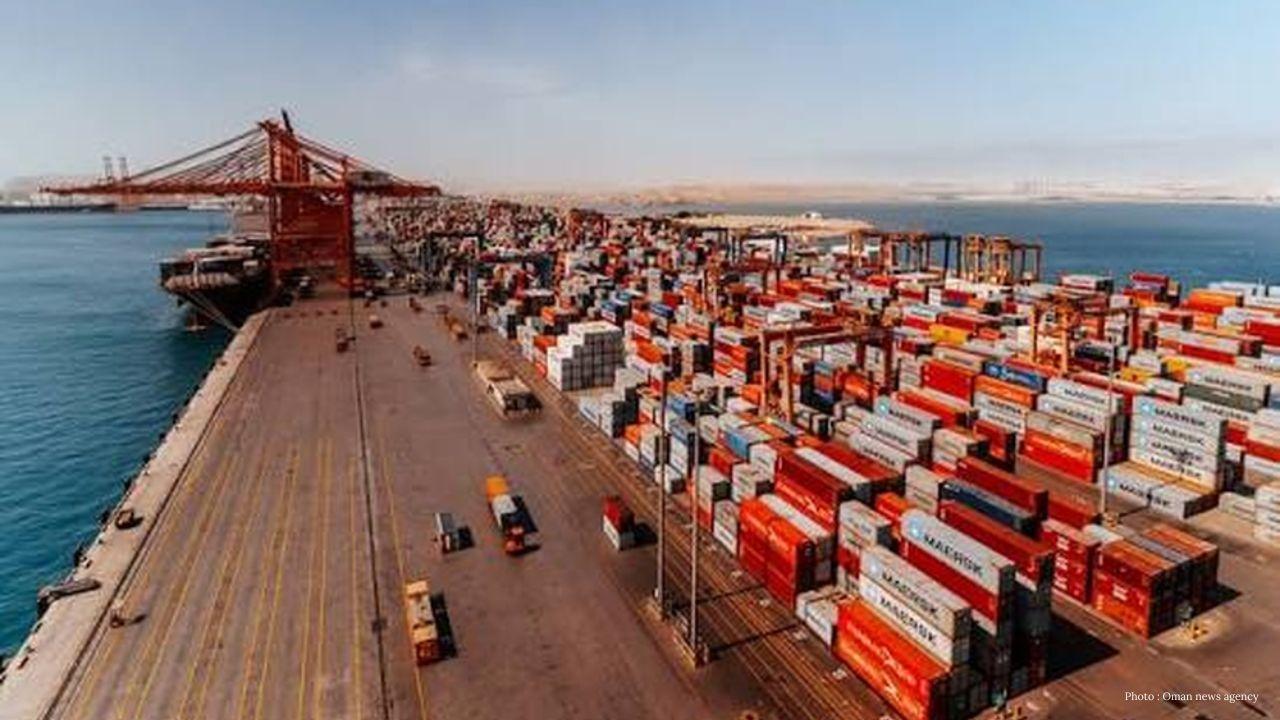
Oil remains a major driver for GCC countries like Saudi Arabia, UAE, and Kuwait. After OPEC+ reduced production cuts, oil output is rising, which is boosting government revenues and supporting public projects.
Higher oil prices and steady demand from global markets are expected to provide a solid foundation for economic stability. This revenue allows governments to fund infrastructure, social programs, and other development initiatives.
Technology and Non-Oil Sectors Grow
GCC countries are investing heavily in technology, tourism, finance, and infrastructure to reduce dependence on oil. These efforts include:
Smart cities and tech hubs to attract global businesses
Renewable energy projects like solar and wind power
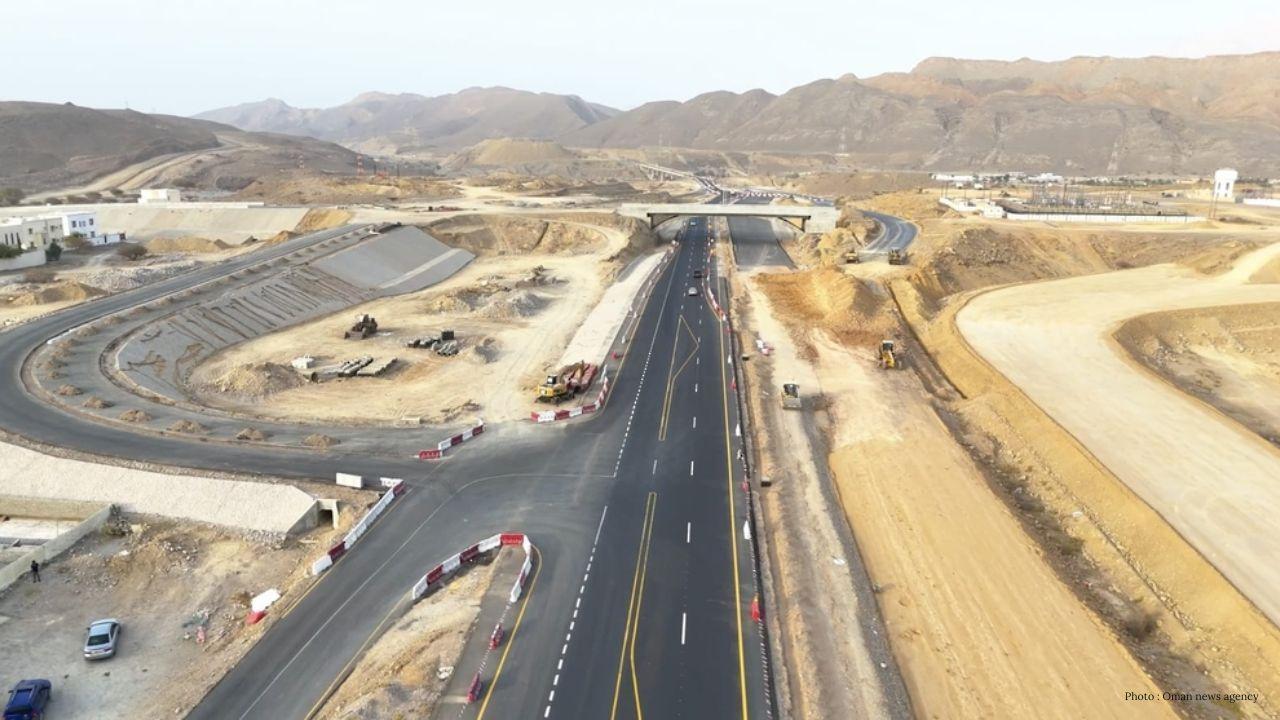
Transportation infrastructure including airports, roads, and metro systems
Tourism and entertainment projects to diversify revenue sources
These investments are creating jobs, especially for young people, and helping the region compete in a global economy.
Resilience in a Changing World
Even with global challenges like trade tensions and inflation, GCC economies are showing resilience. Strong domestic demand, government reforms, and strategic investments help the region maintain stability.
Jasem Mohammed Al-Budaiwi, GCC Secretary-General, highlighted that economic planning and sustainable growth policies are key reasons for the region’s stability and recovery potential.
Economic Growth Forecast
Analysts predict that GCC economies will grow by about 3.2% in 2025. Growth will come from both:
Oil sector: Higher production and global energy demand
Non-oil sectors: Technology, tourism, infrastructure, and finance
The balance of oil and non-oil growth is expected to strengthen the GCC’s position in the global economy and create long-term opportunities for citizens.
Disclaimer
This article is written for general information and public awareness. It summarizes the economic forecast for GCC nations in 2025 and is not financial or investment advice.


 English