Post by : Mikhael
Al-Saeed
Butter vs Ghee: A Healthier Choice?
In the culinary world, butter and ghee are two prevalent fats known for enriching flavors and providing a luxurious texture in meals. However, many wonder which of the two is the healthier option. Should you stick with classic butter, or is ghee the healthier alternative for your diet?
This article takes a detailed look at butter and ghee, exploring their production methods, nutritional profiles, and health benefits. By the end, you'll have a better grasp of which might suit your cooking needs and health goals.
Understanding Butter
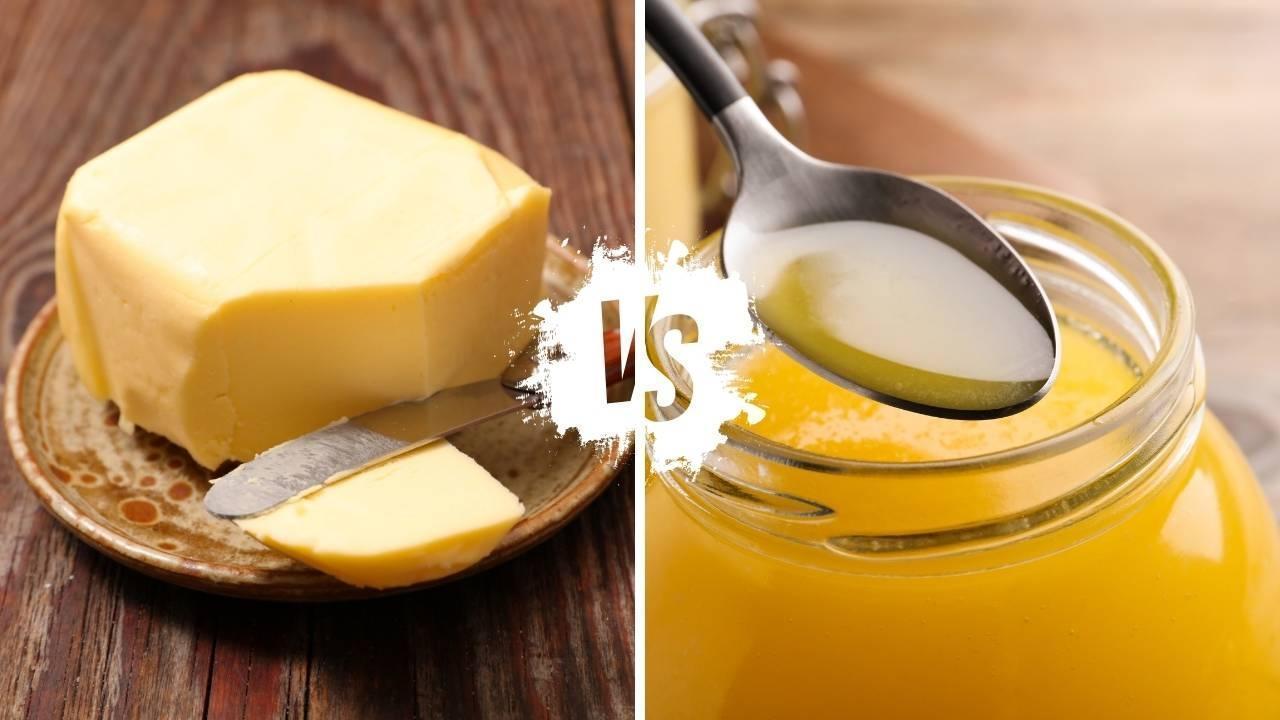
Butter is crafted by churning cream to separate the butterfat from the buttermilk, resulting in a product that retains milk solids and water, giving it a creamy texture ideal for cooking, baking, and as a spread on finished dishes.
Nutritional Insights of Butter
A single tablespoon of butter typically includes:
-
100 calories
-
7 grams of fat, consisting of 4.5 grams of saturated fat
-
Minimal amounts of vitamins A, D, and E
Though butter provides butyrate, beneficial for gut health, the milk solids and water content make it less suitable for high-temperature cooking.
Health Aspects of Butter
Butter has historically been linked with heart disease due to its high saturated fat content. While older studies warned against excessive saturated fats, recent research suggests that moderate consumption may not be detrimental, especially in the context of a varied diet. However, if heart health is a concern, it’s wise to limit intake.
Diving into Ghee
Ghee, often termed clarified butter, is produced by simmering butter until the milk solids and water separate from the fat. This process removes the solids, resulting in a pure fat product with a rich, nutty flavor that handles higher cooking temperatures effectively.
Nutritional Insights of Ghee
A tablespoon of ghee typically consists of:
-
112 calories
-
12 grams of fat, with 7 grams of saturated fat
-
Higher levels of fat-soluble vitamins such as A, D, E, and K2
-
Butyrate, a fatty acid beneficial for gut health
Since ghee consists mainly of fat, it is denser in calories and nutrients compared to traditional butter.
Health Considerations for Ghee
Ghee is gaining traction as a healthier option over butter, especially in various natural health traditions. It’s lactose-free and casein-free, making it suitable for those who have dairy sensitivities. Moreover, ghee is rich in butyrate, aiding digestion and providing anti-inflammatory benefits.
Contrasting Butter and Ghee
Below are the primary contrasts between butter and ghee concerning health benefits, cooking applications, and preparation methods.
1. Preparation and Stability
-
Butter: Retains milk solids and water, reducing stability at high temperatures and shortening shelf life.
-
Ghee: Lacks both, which prolongs its shelf life and enhances stability for high-heat cooking.
2. Lactose and Casein Levels
-
Butter: Contains both, which may upset sensitive stomachs.
-
Ghee: Compatible with those avoiding dairy as it excludes both lactose and casein.
3. Smoke Point
4. Taste
-
Butter: Offers a rich, creamy flavor ideal for baking and sauces.
-
Ghee: Imparts a nutty flavor preferred in various cuisines, especially Indian.
5. Fat Composition
-
Butter: Contains a mix of fat and water, diluting its effectiveness.
-
Ghee: Pure fat, leading to a richer source of essential nutrients.
Which is the Healthier Choice?
For High-Temperature Cooking:
Ghee stands out as the optimal choice for high-heat cooking due to its elevated smoke point.
For Those with Lactose Intolerance:
Individuals avoiding dairy should gravitate towards ghee, benefiting from its purified composition.
For Digestive Ease:
Ghee’s butyrate content offers excellent digestive support, unlike standard butter.
For Heart Health:
Though both are high in saturated fats, ghee may slightly surpass butter due to additional anti-inflammatory properties.
For Preferred Flavor:
When seeking creamy richness, butter excels; yet for those wanting a nutty taste, ghee emerges as the better option.
The Healthier Choice?
To determine which is healthier—butter or ghee—consider your individual dietary needs and the intended cooking methods:
-
Ghee is ideal for cooking at high temperatures, those with lactose sensitivity, and individuals pursuing digestive health.
-
Butter remains a flavorful option in moderation, particularly for culinary applications.
Ultimately, both fats can find their place in a balanced diet when consumed wisely, depending on your culinary preferences.
Disclaimer
This article serves only for informational purposes and does not substitute medical or dietary guidance. Always consult with a healthcare professional or nutritionist when making significant changes to your diet, particularly if you have health or dietary concerns.


 English