Post by : Shweta
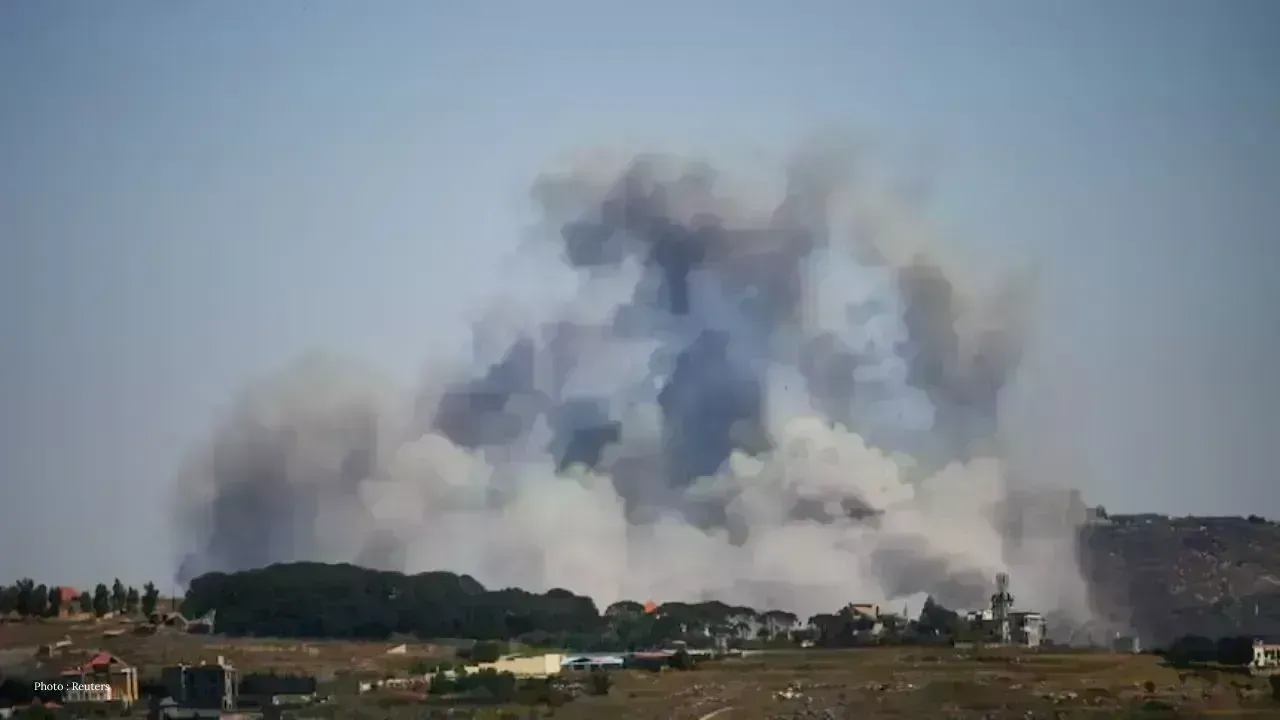
In a significant blow to peace talks, Hezbollah has rejected a ceasefire proposal brokered by the United States, intended to mitigate conflicts along the Israel-Lebanon border. This rejection occurs as the Israeli military reaffirms its intention to sustain operations, which raises alarm regarding potential instability in the region.
The ceasefire initiative was part of broader diplomatic efforts aimed at easing tensions and averting an escalation of hostilities between Israel and Hezbollah. Efforts by international mediators were made to establish a structure that would facilitate reduced cross-border violence and set the stage for meaningful negotiations.
Hezbollah indicated that it could not accept the current proposal, arguing that it neglected crucial issues they view as fundamental and lacked adequate security guarantees for southern Lebanon.
This rejection is a substantial hurdle for ongoing diplomatic efforts aimed at curtailing conflict. The Israel-Lebanon border area has experienced sustained tension with ongoing exchanges of fire and military operations, contributing to fears of a more extensive regional confrontation.
In light of Hezbollah’s response, Israeli military officials have asserted that operations will persist against perceived security threats. They maintain that their military actions are necessary to safeguard the communities located near the northern border and to thwart attacks that may come from Lebanese territory.
The prevailing conflict has intensified pressure on the diplomatic endeavours led by the United States and other global partners. Negotiators are striving to cultivate an environment conducive to reducing violence and facilitating political dialogues, although significant disagreements remain between involved factions.
Concerns regarding the humanitarian and economic repercussions of sustained military actions have been raised by Lebanese officials. The nation is already grappling with prolonged economic struggles and political instability, making a continuous conflict particularly distressing for those impacted.
The ceasefire proposal aimed to establish frameworks to lower military activities close to the border while enhancing security protocols. Advocates suggested that this could be an essential initial step in restoring stability and diminishing the likelihood of a larger confrontation, yet without consensus among critical participants, this approach seems unlikely to progress.
International analysts caution that ongoing hostilities may further heighten regional tensions and complicate broader diplomatic initiatives throughout the Middle East. Calls for restraint and encouragement to pursue diplomatic dialogues rather than military paths have been issued by various nations.
The United States continues to engage with regional stakeholders in a bid to rekindle negotiations. Officials stress the necessity of preventing additional violence and ensuring stability in the region. Even though the latest ceasefire proposal has been rejected, diplomatic engagements are expected to persist in search of alternative de-escalation methods.
Experts acknowledge that negotiating ceasefires in this region can be intricate and often require numerous discussion rounds before achieving meaningful outcomes. Obstacles, including disagreements over security assurances, border definitions, and political prerequisites, continue to challenge the establishment of lasting solutions.
Residents in conflict-affected regions are left grappling with uncertainty as military operations intensify. Daily life for communities near the border has been disrupted by cross-border tensions, and many are anxiously observing developments while hoping for a diplomatic resolution.
This recent setback underscores the precarious nature of violence reduction efforts. Despite continued engagement from international mediators, the pronounced gap between the involved parties' positions presents a formidable challenge moving forward. Future discussions will likely need to address both sides' concerns while seeking strategies to alleviate immediate security threats.
As it stands, the discontinuation of the ceasefire proposal indicates that military tensions remain unresolved, with ongoing diplomatic initiatives expected in pursuit of a widely acceptable solution. The next few days may prove pivotal as both regional and international stakeholders work together to prevent further escalation and promote renewed dialogue.
For current updates and comprehensive reports, stay with us.


 English