Post by : Shweta
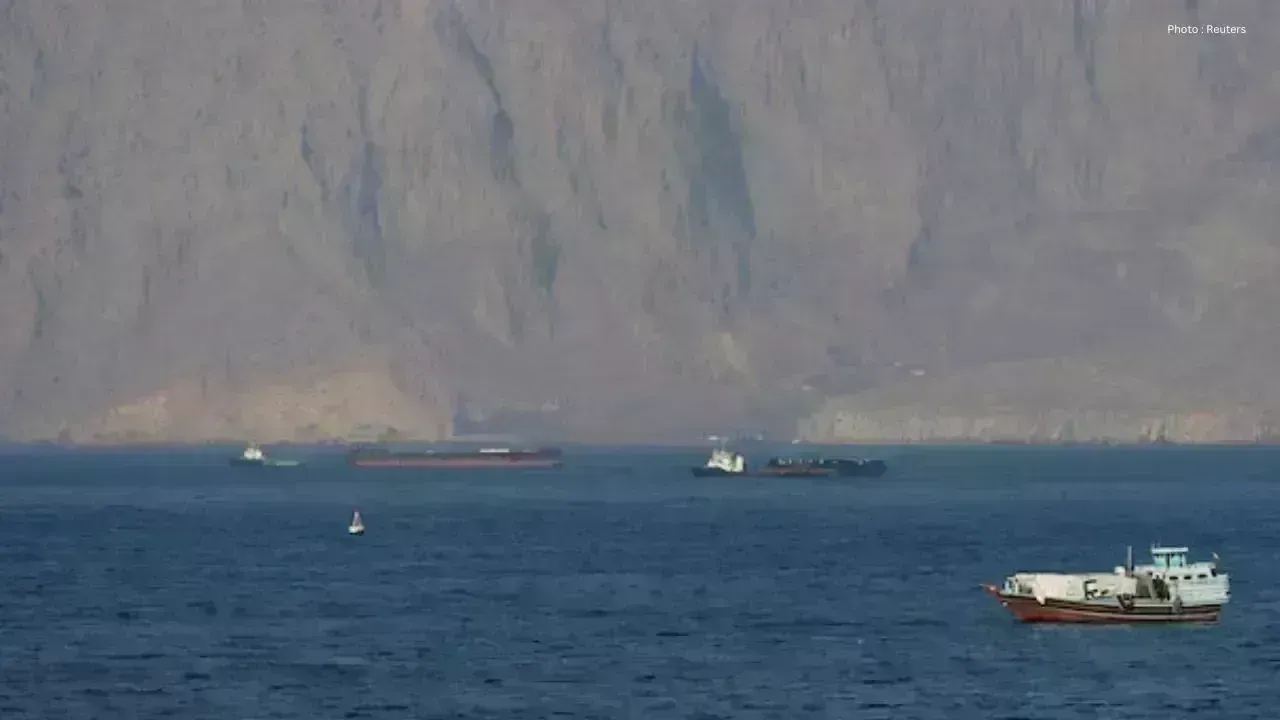
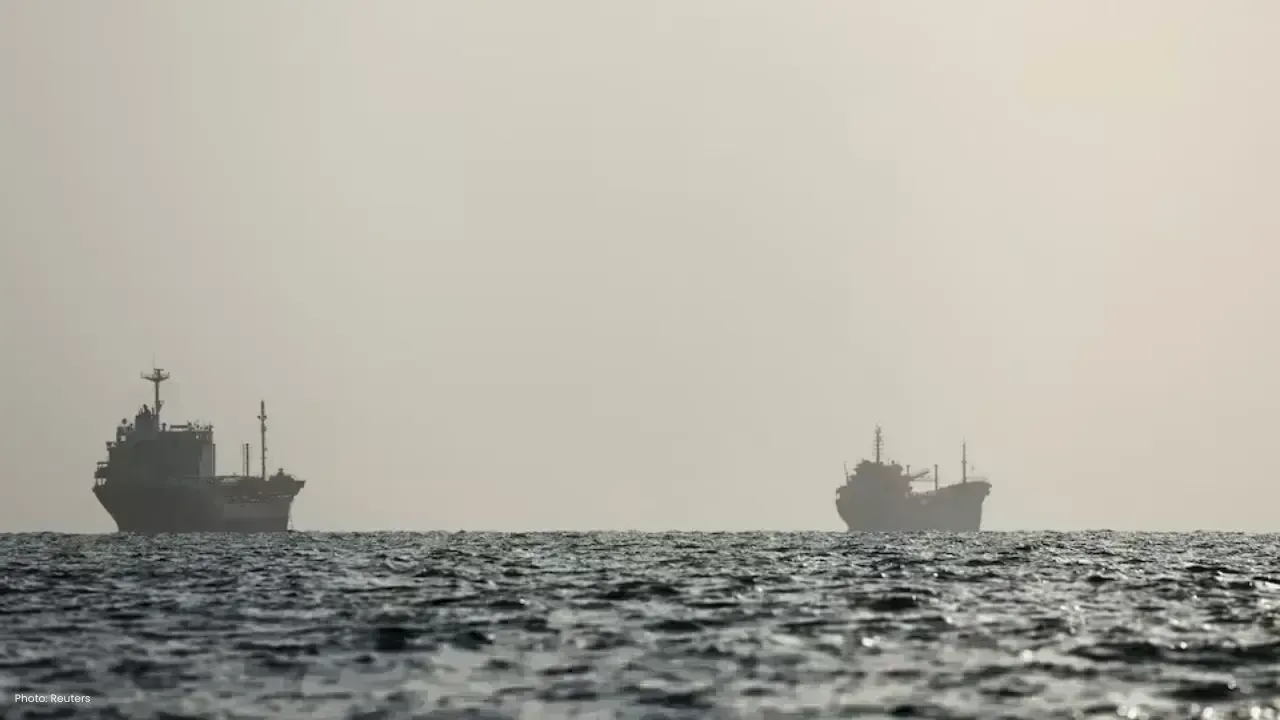
The ongoing closure of the Strait of Hormuz has sparked considerable anxiety regarding the global energy supply chain, particularly as tensions heighten between the United States, Israel, and Iran. This vital shipping lane, responsible for transporting roughly 20% of the world’s oil and refined fuels, remains shut despite earlier hopes of a prompt reopening.
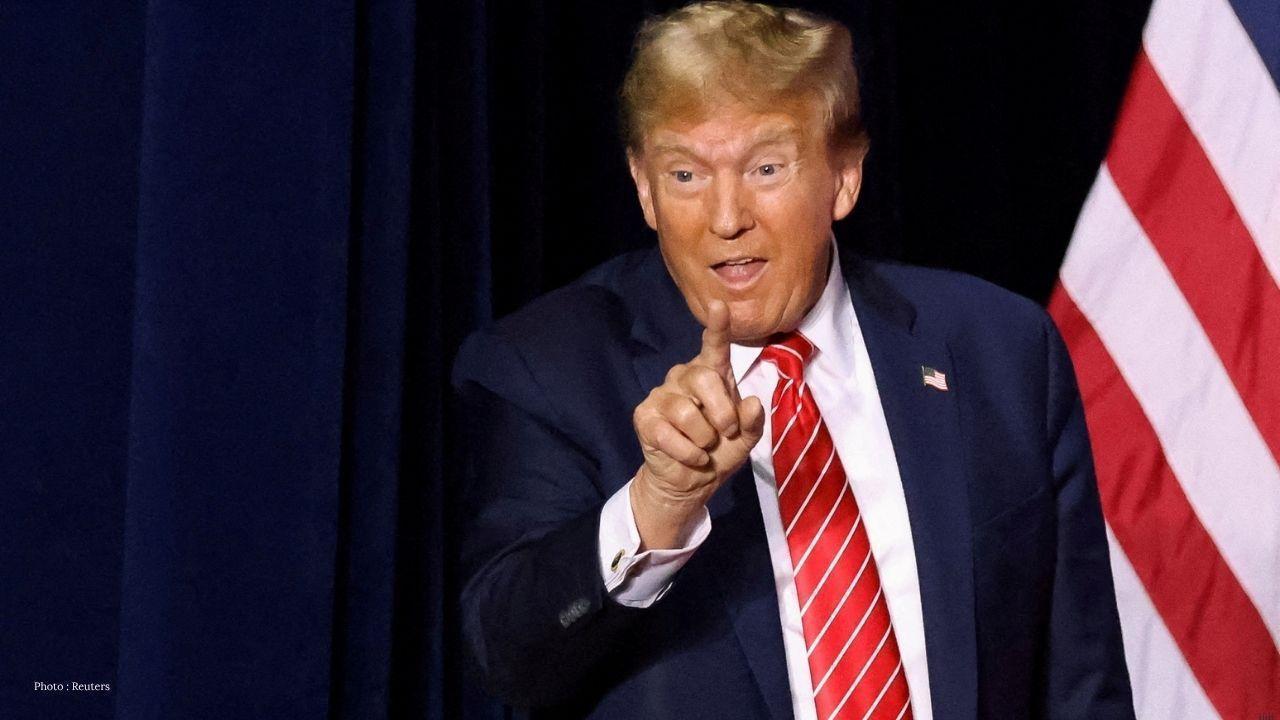
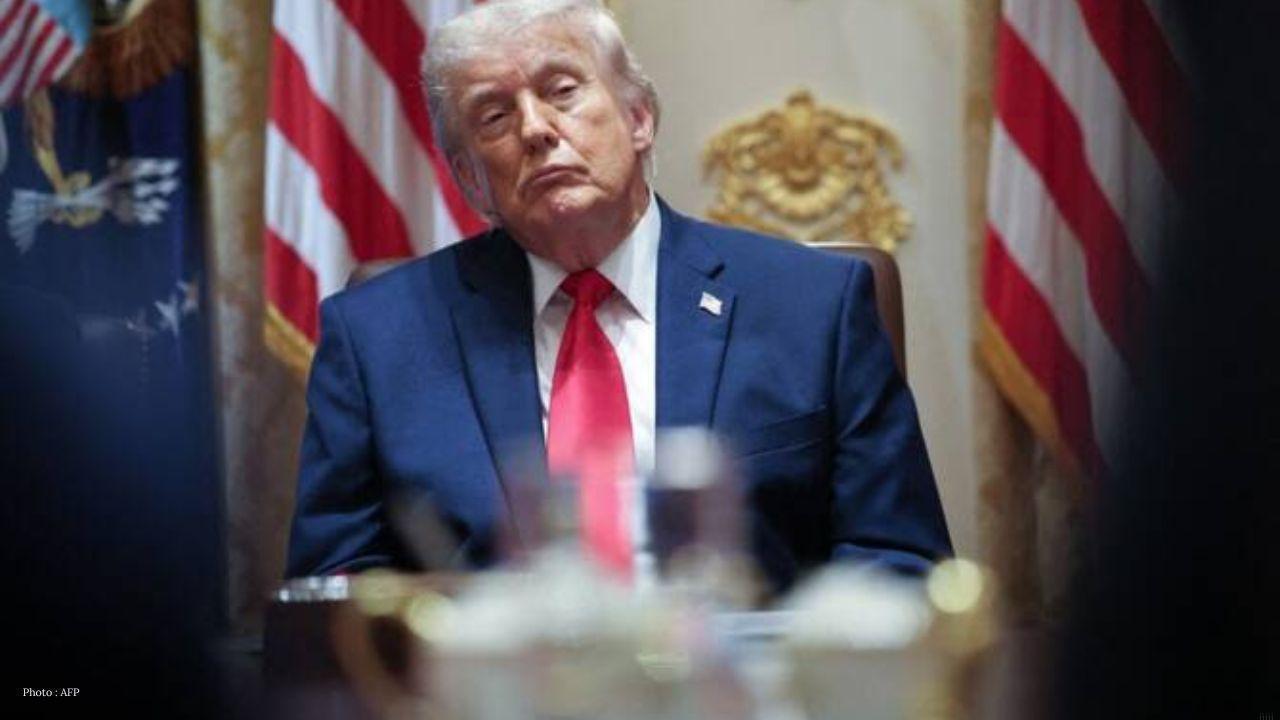
When the conflict began in late February, many analysts predicted that the disruption would be brief. Influencing this optimism were remarks made by Donald Trump, suggesting a swift resolution would occur. However, the situation has deviated sharply from those expectations, with the strait effectively remaining inaccessible.
Market trends underscore the precarious nature of the situation. Oil prices fell initially following unconfirmed reports of the strait’s reopening, only to rebound quickly once it became evident that vessels were still unable to navigate the waters safely. This price movement illustrates growing skepticism regarding the timeline for restoring normal operations.
The closure appears intertwined with ongoing military hostilities. While the U.S. has continued its naval blockade of Iranian ports, Iranian forces have similarly acted to hinder access through the strait. This stalemate indicates that neither side is prepared to fully resume passage unless significant political or military advancements are made.
Asia is feeling the brunt of these disruptions, where approximately 80% of oil transported through the strait typically goes. Nations heavily reliant on offshore energy are now grappling with supply issues, increasing costs, and unpredictability about future availability.
Energy experts caution that prolonged closure could exacerbate the crisis even further. While financial markets have maintained a relative degree of optimism, supply chains are tightening physically. The longer the current situation persists, the more strain it will place on global energy networks.
Moreover, there are deeper worries surrounding trust and control among the nations involved. It remains unclear if the parties are willing to engage in negotiations, and whether any potential agreement to reopen the strait would be upheld. The absence of clear collaboration keeps the risk of further escalation alarmingly high.
In summary, initial hopes for a swift reopening of the Strait of Hormuz have diminished, as prevailing developments indicate that these challenges might endure longer than anticipated. This persistent uncertainty is poised to exert continued pressure on global oil markets in the weeks ahead.


 English