Post by : Sami
Al-Rahmani
India Emerges as the Top Global Rice Producer, Surpassing China
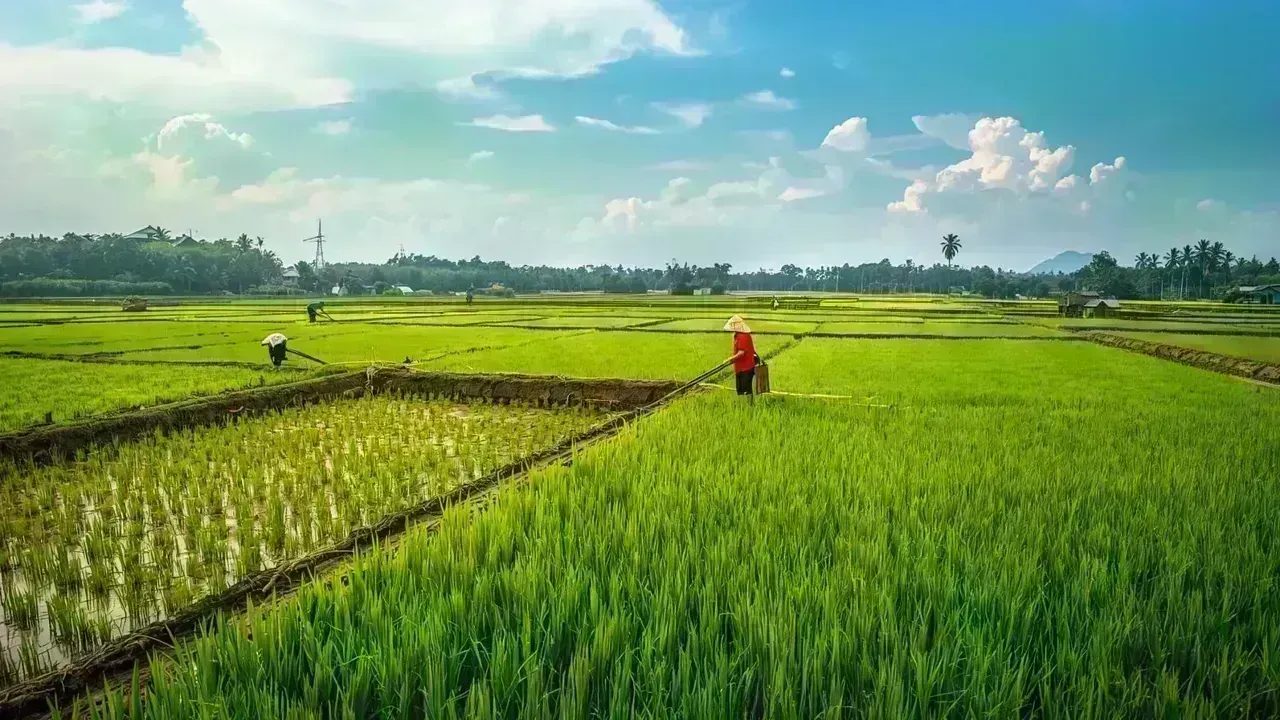
India has claimed the title of the largest rice producer, wounding China’s long-held position in global agriculture. Rice is a vital staple, sustaining numerous farmers, and is crucial for food security and economic stability. This transition results from ongoing policy enhancements, technological innovations, and farmers' grit, representing a significant evolution in agricultural practices rather than an overnight change.
This article elucidates how India achieved this milestone, the reasons behind China's decline, the drivers of India’s growth, and implications for global food markets, presented in an accessible format.
The Critical Role of Rice Production Globally
Over half of the global population relies on rice for sustenance. In various regions across Asia and Africa, rice constitutes a daily food source and underpins food security. Alterations in rice production rankings can have far-reaching effects on:
-
Global food pricing
-
Trade dependencies
-
Strategies for climate-resilient agriculture
-
Geopolitical food dynamics
India and China now represent more than 50% of global rice production, making their competition especially impactful.
Factors Behind India Surpassing China in Rice Production
India’s rise to ascendancy in rice farming stems from systemic disparities in agricultural methodologies and changing national strategies.
Increase in Cultivated Area
Rice farming in India occurs over a broader landscape compared to China. Major cultivation occurs in states like West Bengal, Uttar Pradesh, Punjab, and others. Minor yield enhancements across this large area lead to substantial production increases.
In contrast, China has reduced rice cultivation areas due to:
Yield Improvements
India has consistently enhanced rice yields per hectare through improved seeds, irrigation techniques, and mechanization. Formerly, China's yields were superior, but the current gap has notably diminished.
Indian farmers have implemented:
The Impact of Government Policies on India’s Progress
The ascendance of India as the foremost rice producer is closely tied to enduring governmental support.
Consistency in Minimum Support Price
The Minimum Support Price (MSP) for rice offers farmers clear income assurances. Reliable procurement helps reduce risks, enabling continued cultivation amidst unpredictable weather conditions.
Public Food System Demand
India's expansive public food schemes necessitate significant rice stockpiles. This fosters strong internal demand, ensuring production remains profitable.
Investment in Irrigation
Comprehensive irrigation infrastructures, including canals and tube wells, have minimized reliance on monsoon cycles in crucial rice-growing regions.
Input Subsidies
Fertilizer, seed, and equipment subsidies diminish production expenses, enhancing farmer returns and fostering ongoing production growth.
Technological Innovations Enhancing Production
Technological advancements have silently yet significantly bolstered rice production in India.
Innovative Seed Technologies
New rice cultivars provide:
-
Enhanced yield potential
-
Resistance against pests and diseases
-
Flood and drought tolerance
-
Shorter harvesting periods
This enables multiple cropping seasons in certain areas.
Farming Mechanization
The introduction of transplanters, harvesters, and threshers has reduced labor reliance and minimized post-harvest waste. Mechanization further aids farmers in large-scale management during brief harvesting spells.
Support from Digital Agriculture
Tools such as weather forecasting, soil analysis, and crop advisory applications have refined on-farm decision-making, improving output reliability.
Constraints on China's Rice Production Growth
Although still a leading rice producer, China faces several limitations affecting its production increases.
Shifts in Dietary Habits
Chinese diets are increasingly leaning towards:
Rising Labor and Cost Issues
Increasing rural wage rates and an aging farming demographic have elevated production expenses. Many younger workers now pursue urban employment, leading to diminished agricultural labor availability.
Environmental and Land Limitations
China must comply with rigorous ecological regulations regarding water use and soil integrity. Rice, being a water-demanding crop, suffers under restrictions on groundwater withdrawal.
Diversification Strategies
China has shifted to growing higher-value crops such as fruits, vegetables, and oilseeds, prioritizing profitability over sheer volume.
Climate Advantages for Indian Production Recently
Climate variability significantly influences agricultural productivity.
Monsoon Variability
Despite increasing irregularities, the latest monsoon seasons have granted sufficient rainfall coverage to major rice-growing areas, enhancing both acreage and yields.
Resilience in Flood-Prone Areas
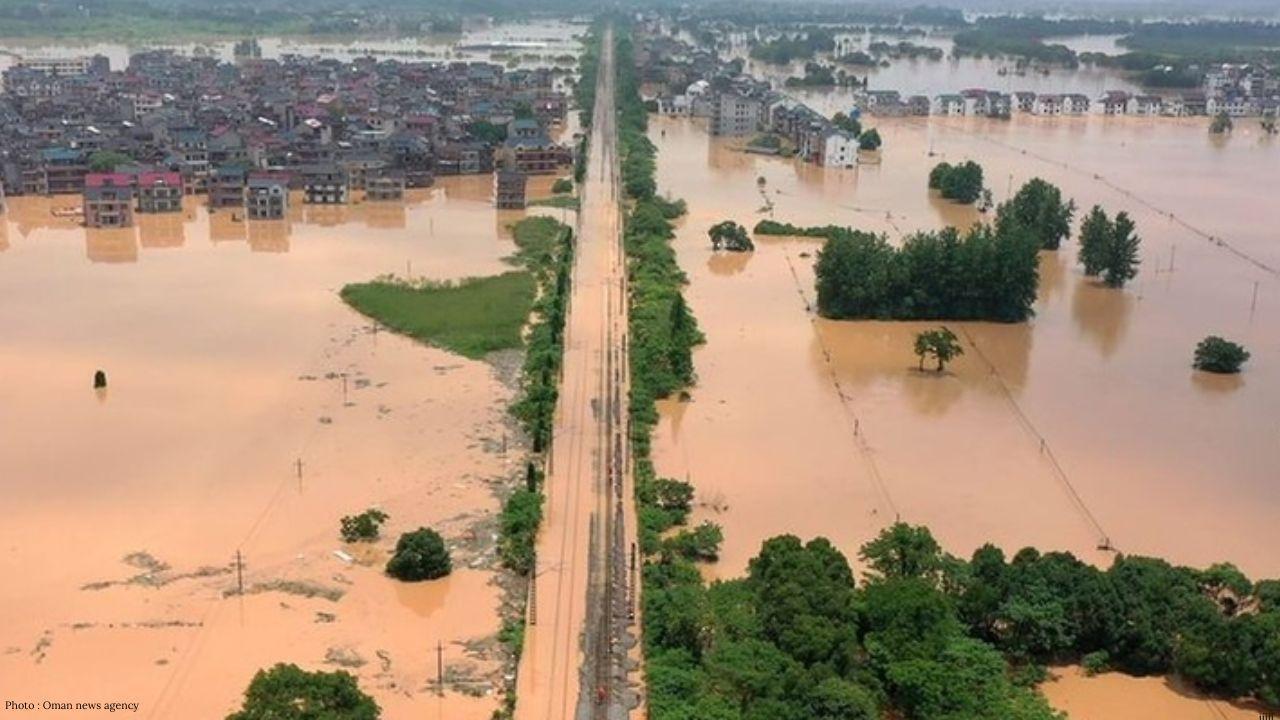
Regions prone to flooding in eastern India are now employing submergence-resistant rice varieties, minimizing crop loss during severe weather.
Multiple Seasons of Cultivation
India’s ability to cultivate rice across kharif, rabi, and summer seasons gives it a production edge over nations with limited cycles.
India’s Significance in Global Rice Exports
In addition to being the leading producer, India ranks as one of the largest rice exporters globally.
Diverse Export Offerings
India's exports include:
-
Basmati rice
-
Non-basmati white rice
-
Parboiled rice
-
Broken rice
Such diversity enhances India's ability to access varied international markets spanning Asia, Africa, the Middle East, and Europe.
Competitive Pricing
Lower production costs coupled with extensive farming enhance the affordability of Indian rice in global markets, bolstering export demand.
Strategic Reserves
Robust domestic production allows India to keep reserve stocks while exporting surplus, enhancing global supply stability.
Economic Benefits for Indian Farmers
Income Stability
Robust procurement frameworks and strong export demand mitigate income fluctuations for rice farmers.
Rural Jobs Creation
Rice farming supports countless jobs across cultivation, transportation, milling, packaging, and trade.
Supporting Industries
Industries related to fertilizers, irrigation tech, seed production, and agritech startups see growth from ongoing rice production.
Concerns of Sustainability and Environment
While increased yields are favorable, they prompt sustainability challenges.
Water Usage Pressures
Rice farming requires extensive water resources, especially in northern regions reliant on groundwater.
Soil Health Challenges
Excessive fertilizer application risks long-term soil degradation.
Methane Emissions Risks
Flooded rice paddies contribute significantly to greenhouse gas emissions, raising environmental concerns.
India is increasingly adopting:
-
Direct-seeded rice methods
-
Techniques for alternate wetting and drying
-
Micro-irrigation systems
-
Practices for climate-smart agriculture
These methodologies aim to align increased production with environmental stewardship.
Implications for Global Food Security
India's leadership in rice production carries weighty implications.
Global Supply Stability
Enhanced production diminishes global shortage risks amid climatic or geopolitical disruptions.
Support for Dependent Nations
Numerous developing regions are reliant on affordable rice imports. India's production strength plays a pivotal role in ensuring food accessibility in these vulnerable areas.
Influencing Global Pricing Dynamics
As a leading producer and exporter, India is crucial in establishing international rice market prices.
Ongoing Challenges for India
Despite its strong position, India faces numerous enduring challenges.
-
Climatic fluctuations
-
Water availability issues
-
Escalating input expenses
-
Need for sustainable agricultural practices
Addressing these hurdles is vital for preserving India's long-term leadership.
The Future of Rice Production in India
India's reign in rice production is likely to persist if:
-
Yields continue to grow
-
Sustainability initiatives expand
-
Income safeguarding policies remain in place
-
Advancements in climate adaptive technologies progress
Focus is increasingly leaning toward sustainable and efficient production rather than sheer volume.
Final Thoughts on India’s Global Role
India surpassing China in rice production is hardly a mere number. It showcases structural advantages, farmer adaptability, and continued policy support. Furthermore, it underlines India's responsibility in securing global food stability while nurturing its agricultural and environmental future.
Rice remains integral to India’s economic, cultural, and food security fabric, positioning India as a key player in global agricultural dialogues for the foreseeable future.
Disclaimer
This information is for educational and informational purposes only. Agricultural statistics and trends are derived from publicly accessible estimates and may change with climate developments, policy revisions, or updated reports. Readers should consult appropriate agricultural authorities for the latest information and analyses.


 English