Post by : Anis
Al-Rashid
India's New Journey in Travel Documentation
India has embarked on a significant upgrade in travel documents with the introduction of the e-passport. Unlike the conventional booklets presently held by many, this new e-passport is equipped with a secure electronic chip that contains biometric and personal details. This marks a noteworthy leap in India's travel document technology.
With over 120 nations already utilizing chip-enabled passports that fulfill international aviation standards, Indian citizens can now enjoy stronger defenses against identity theft, alongside improved global validation and access to automated immigration systems in various airports.
The rollout is part of the government's initiative to modernise the Passport Seva Programme, aiming to enhance security and the efficiency of travel documentation while setting the stage for a digital identity era.
Differences between e-Passports and Traditional Passports
A standard Indian passport is a printed booklet containing personal particulars. While it continues to hold validity, it is less secure compared to the digital enhancements.
The e-passport combines a physical booklet with advanced digital identification technology. Crucially, it houses a contactless chip integrated into the cover, which securely holds encrypted biometric and identity information.
This chip is not easily accessible and requires specialised scanners at immigration and e-gate checkpoints. Its encrypted nature prevents easy alteration or forgery, significantly bolstering security.
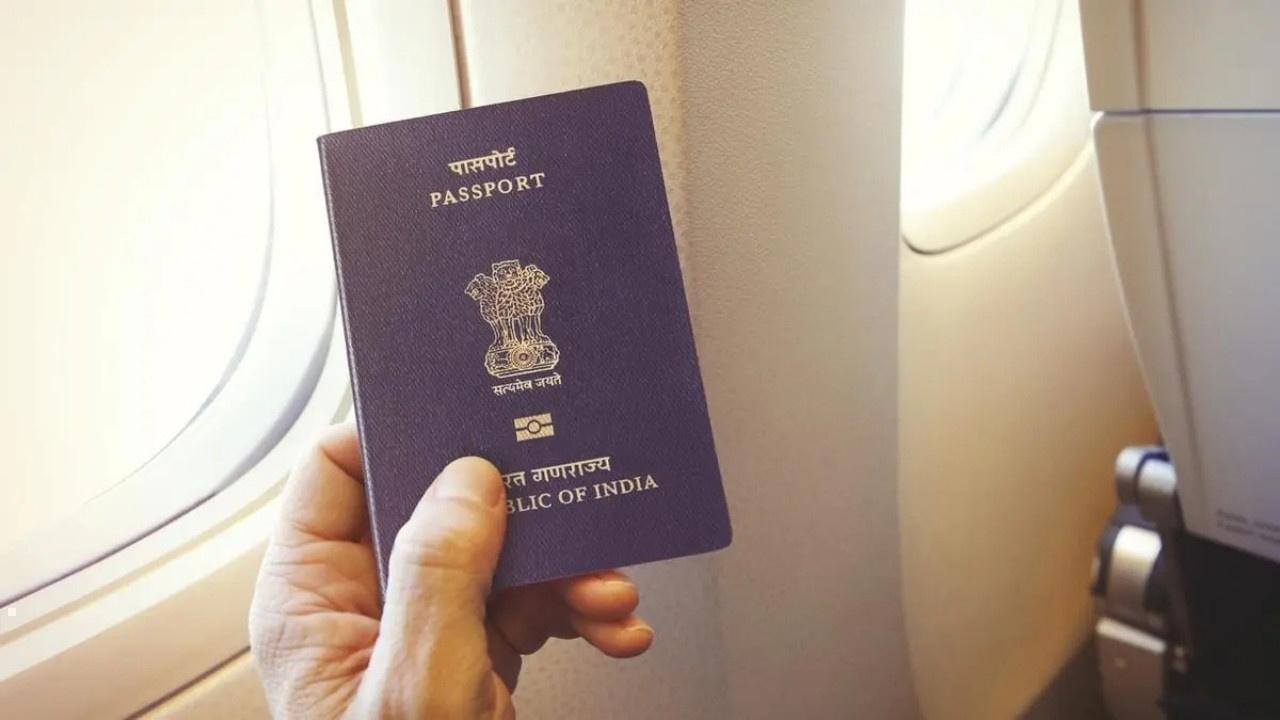
A special gold-coloured biometric symbol on the cover indicates the chip's presence, enabling instant recognition by airport systems.
The traditional passport remains valid until its expiration date; the e-passport serves as a new standard for future and renewed documents.
Why Now for e-Passports?
The transition to e-passports is driven by various strategic necessities.
Notably, India is among the most travelled populations globally in terms of work and leisure. With the rising adoption of biometric identification and automated immigration, nations offering chip-equipped passports facilitate smoother travel experiences.
Security considerations are paramount as well, with traditional passport forgery and identity manipulation becoming pressing issues. The embedded chip substantially mitigates these risks, as every data entry is digitally signed and extremely challenging to duplicate.
Moreover, the modernisation aspect of the Passport Seva Programme is crucial. The country is revamping its entire passport issuance system to foster greater efficiency and align better with international standards. The e-passport is integral to this larger vision.
For Indian expatriates, the e-passport enhances global travel standing and bolsters recognition at foreign checkpoints, particularly in countries where biometric verification is prevalent.
Functionality of the e-Passport
The operational framework of an e-passport, though straightforward, is highly secure, enabling smoother travel for users.
Within the back cover of the e-passport resides a secure microprocessor chip and antenna. This chip retains encrypted personal details, including the passport holder's name, number, date of birth, photograph, and biometric markers, such as fingerprints.
Upon presenting the e-passport at an immigration checkpoint, the scanner reads the chip's data without contact. The system cross-verifies the chip's information with the traveler's live biometrics.
If the data aligns, the traveller is authenticated instantly—a process far quicker than conventional checks, which also lessens the chance of human errors or document tampering.
Since the chip is digitally signed, any attempts to alter its data would compromise the signature, triggering alerts during analysis. This characteristic renders the e-passport both tamper-evident and reliable.
Eligibility and Application Process
All Indian citizens eligible for a traditional passport can apply for an e-passport, with the application procedure mirroring the existing one. Applicants may select between applying for a new passport or renewing an old one.
Appointments can be booked through the Passport Seva Portal, with applicants required to visit a Passport Seva Kendra or Post Office Passport Seva Kendra for document verification and biometric data collection. The information gathered is securely stored on the passbook chip.
Currently, not all centers are issuing e-passports. The rollout starts in major cities, gradually extending to all passport offices across India.
Indians abroad will receive e-passports through their embassies and consulates as the rollout matures internationally.
Identification of e-Passport
The primary way to distinguish an e-passport is through its biometric symbol—an internationally recognised icon—on the cover. This assures immigration agencies of the presence of an embedded chip.
Inside, the data page resembles current booklets, but the back cover is thicker due to the added chip.
Replacement of Existing Passports
No immediate replacement of valid passports is necessary. Current Indian passports remain valid until their expiry date; there’s no compulsion to upgrade immediately. The e-passport will eventually become standard for new applications and renewals.
Holders of valid traditional passports can continue to travel until renewal time. Those wanting quicker access to biometric verification may choose to apply for an e-passport sooner.
Advantages of e-Passports for Travellers
The new e-passports present multiple benefits across security, convenience, and international travel.
Enhanced Security
The chip-equipped passport significantly minimises identity fraud, impersonation, duplication, and document tampering—especially crucial in an era of sophisticated identity theft.
Accelerated Immigration Processing
Travellers with chip-enabled passports pass through automated e-gates more swiftly, experiencing reduced queues and manual interventions.
Global Travel Compliance
Many nations prefer or mandate chip-enabled passports for streamlined border processing. India's transition ensures its citizens are aligned with international travel requirements.
Modernised Indian Passport Services
The Passport Seva system is undergoing updates that include enhanced digital interfaces, improved tracking, and reduced processing delays.
Preparing for the Future
As travel relies increasingly on biometric data and automated verification, the e-passport positions Indian citizens for advancements in border technology.
Transition Challenges
Although the e-passport offers distinct advantages, the transition may pose challenges.
Not all passport offices might issue e-passports right away, leading to variations in availability across regions, which could confuse applicants regarding whether their center accommodates the new format.
Another possible hurdle is lack of awareness; many travellers may be unfamiliar with the workings of e-passports, the necessity of switching, or their identification. Public education will be essential for seamless transition.
Similarly, some international airports may still lack support for biometric e-gates, leading to varied evaluations based on destination infrastructure.
Additionally, privacy considerations will arise, given the sensitive biometric data involved. Users expect robust data protection, which the chip's security architecture addresses, though awareness remains vital.
Impact on Global Travel and Security Checks
The emergence of e-passports holds profound implications beyond just facilitating smoother airport processes.
Automated immigration systems become more streamlined with support for chip-verified travellers, alleviating congestion at border checkpoints, promoting tourism, enhancing passenger flow, while allowing immigration officials to focus on more complex evaluations.
Security agencies will benefit from diminished documentation fraud, improved verification systems, and accelerated identification of discrepancies.
India’s diaspora will see the new passport as a symbol of elevated global identity standards and recognition of the nation’s commitment to modern travel documentation.
On a diplomatic front, this initiative aligns India with a global community of nations implementing next-generation biometric passports, thereby bolstering the international credibility of Indian travel documents.
Considerations for Travellers
Individuals applying for or renewing their passports should check if their local Passport Seva Kendra issues e-passports. If not, they may receive older formats until their area transitions.
For those planning imminent international travel, existing passports are sufficient. There's no rush to shift unless they desire the latest features.
Travellers must ensure their e-passports are protected from physical harm; despite the chip's secure housing, substantial damage may hinder readability.
When travelling internationally, it's wise to confirm if the destination airport supports automated e-gates, as not all do, leading to varied experiences accordingly.
Final Thoughts: A Pivotal Shift in India’s Travel Documentation
The introduction of e-passports signifies a transformative leap in personal identity and global mobility management. It offers enhanced security, expedited processing, improved compatibility in international travel, and the advantages of contemporary verification systems for millions of individuals.
Even though traditional passports are valid for years ahead, the e-passport stands as the future standard—aiming for a smoother, safer travel experience aligned with global criteria.
As the rollout expands throughout India and beyond, the e-passport is set to become the primary travel document for citizens, marking a significant milestone on India's path to modernised, technology-focused public services and seamless international travel.


 English