Post by : Anis
Al-Rashid
The bond between Indians and their pets has always been a vivid one, rooted deeply in emotional connections. For generations, Indian homes have been filled with beloved companions such as dogs, cats, cows, and various birds. However, a new trend is quietly reshaping this culture: the rise of exotic pet ownership.
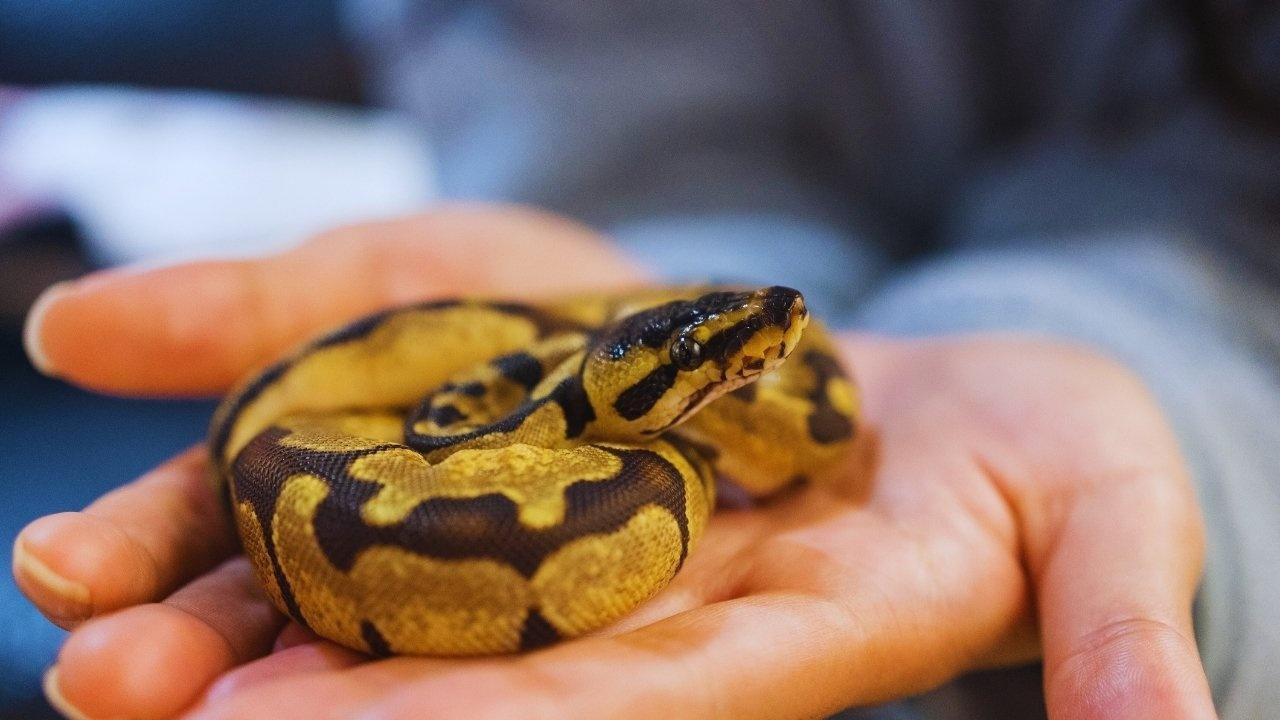
From stunning macaws and graceful Cockatoos to colorful iguanas, sleek ball pythons, and playful sugar gliders, a variety of non-native species are now finding homes in urban India. Social media is abuzz with young pet owners showcasing their unique reptiles, intelligent birds, and tiny mammals. Retailers are expanding their inventories to meet the demands for specialized diets, climate-controlled environments, UV lighting, and grooming needs.
Yet, beneath this fashionable phenomenon lies a tangle of issues: ethical sourcing, animal welfare, legal ambiguity, public safety, and the protection of ecosystems. India finds itself at a critical juncture, captivated by exotic animals while simultaneously grappling with questions of sustainability and responsibility.
This burgeoning interest in exotic pets necessitates awareness, appropriate regulation, and ethical considerations—beyond mere fascination.
Factors Fueling Exotic Pet Popularity in India
The Role of Social Media
Short clips and influencer accounts have ignited a visual allure for rare pets. Clips of iguanas basking in the sun, capybaras snuggling, or parrots imitating speech spark curiosity and inspire aspiring owners. For some, the novelty factor has turned into a status symbol.
Adaptability to Urban Lifestyles
In busy cities with limited spaces, people often lean toward low-maintenance species like reptiles and small mammals, although this assumption can be misleading.
Rising Disposable Incomes
Young professionals and affluent families are channeling their disposable income toward premium hobbies, including the care of rare pets and tailored habitats.
Aesthetic and Emotional Appeal
Exotic pets provide unique companionship and visual allure, appealing to those looking for something beyond typical pets.
Popular Exotic Pets in Indian Households
Reptiles
-
Iguanas
-
Bearded dragons
-
Ball pythons
-
Leopard geckos
Reptiles captivate enthusiasts who appreciate their slow-paced behavior and feeding rituals.
Birds
-
Macaws
-
African Grey parrots
-
Cockatoos
-
Conures
These birds are renowned for their intelligence and bonding capabilities.
Small Mammals
Their size and charm attract attention.
Aquatics & Amphibians
-
Exotic fish species
-
Axolotls
-
Terrapins
Aquarium enthusiasts are creating advanced ecosystems, often influenced by global aquascaping standards.
The Developing Care Culture for Exotic Pets
Engineered Habitats
Pet owners are adopting:
-
Controlled environment vivariums
-
UV lighting cycles
-
Naturalistic terrariums filled with logs and plants
-
Spacious aviaries for flight-capable birds
Contemporary homes are resembling miniature tropical or desert habitats for pets.
Dietary Needs of Exotic Pets
Diet planning is becoming increasingly intricate, from live feed for reptiles to specialized pellet mixtures for macaws. Some owners are even cultivating feeder insects at home.
Veterinary Practices on the Rise
A specialized niche of veterinary professionals is now addressing:
Upscale diagnostics and veterinary facilities are emerging in major cities to support this sector.
Training and Enrichment Activities
Pet owners are creating engaging setups with climbing structures, sensory toys, and puzzle feeders to enhance interaction and companionship. Audio stimulation for birds and scent activities for hedgehogs are becoming common.
Exotic pets are transitioning from mere caged animals to integral parts of interactive environments.
The Legal Maze Surrounding Exotic Pets
Current Legal Framework in India
India's wildlife laws emphasize the protection of native species via the Wildlife Protection Act. However, regulations regarding non-native species are vague, leading to misunderstandings.
Ambiguities in Regulation
-
Which exotic species can be legally owned?
-
How should breeding and sales be monitored?
-
What quarantine measures are necessary?
-
How is ownership verified?
-
What emergency protocols exist for abandoned pets?
The unclear regulations are fostering potential misuse.
Hazards of an Unregulated Market
-
Illicit smuggling masked as casual transactions
-
Possible harm to local ecosystems from escaped species
-
Zoonotic risks threatening public health
-
Animals potentially suffering from inadequate care
-
Exploitation of international wildlife populations
There is an immediate need for structured regulations.
Call for Responsible Policy Implementation in India
A Revised Legal Framework for Pets
India should implement clear guidelines encompassing:
-
List of approved exotic species
-
Certification for ethical sourcing
-
Health and import protocols
-
Licensing standards for breeders
-
Veterinary qualifications for exotic animals
-
Penalties for illegal sales
-
Shelters for rescued or abandoned animals
The goal should be balanced: supporting responsible ownership while ensuring animal welfare and biodiversity.
Implementing Owner Registration
A straightforward registration system could monitor:
-
Numbers of exotic species owned
-
Health certifications of animals
-
Adequacy of housing conditions
-
Transfer and adoption histories
Transparency would help mitigate illegal trafficking and abandonment.
Ethical and Environmental Responsibilities
Choosing Captive-Bred Over Wild-Caught
Ethical ownership prioritizes captive-bred pets to prevent ecological damage and animal suffering.
Avoiding Invasive Species Problems
Negligent pet releases can devastate native wildlife. Species like turtles or snakes can significantly disrupt local habitats.
Ensuring Proper Animal Welfare
Many exotic species require:
-
Climate-controlled environments
-
Nutritious diets
-
Specialized enrichment activities
-
Social interaction (particularly for birds)
Without appropriate care, exotic pets may suffer in silence.
Responsibilities of Exotic Pet Owners
Thorough Research Prior to Adoption
Pet ownership should commence only after understanding each species' specific needs, covering aspects like diet, housing, and social requirements.
Consideration of Space
Some species, like parrots, necessitate expansive living areas; reptiles often demand controlled humidity levels. Housing must mimic natural habitats.
Financial Responsibility
Exotic pet care entails significant investments in:
-
Habitat setup
-
Veterinary consultations
-
Quality diets
-
Enrichment supplies
Ethical Perspective
Pets should be viewed as commitments, not toys. Abandoning or rehoming them irresponsibly is cruel.
Market and Industry Transformations
Emerging Exotic Pet Retailers
Specialized shops dedicated to exotic pet care are gaining traction, offering:
Online Communities
Virtual groups for enthusiasts are sharing knowledge on:
This culture of sharing is enhancing pet care practices.
Veterinary and Grooming Services
Veterinary practices and mobile grooming services now feature specialized departments for exotic pets in select urban centers.
Future Possibilities and Outlook
Demand for Exotic Pet Services
As interest in exotic species grows, so does the need for:
-
Temperature-regulated boarding facilities
-
Caregivers specialized in exotic pets
-
Veterinary-monitored stays while owners travel
Exotic Pet Training Programs
Further down the line, educational institutions may introduce modules in exotic-animal care for veterinarians and keepers.
Shifts in Legal Framework
As awareness heightens, India is likely to formalize guidelines that balance:
Educational Outreach
Workshops and online programs can foster responsible pet ownership from a young age.
Final Thoughts
The burgeoning interest in exotic pets marks a shift in India's pet ownership culture, extending beyond mere companionship to a commitment towards specialized care and environmental stewardship. This trend highlights a curiosity and compassion for nature.
However, this transformation calls for accountability, clarity in regulations, and an ethical approach. Exotic animals enrich our lives but also demand serious commitment, informed decisions, and a sustained focus on welfare and ecological balance.
If India can manage this trend wisely—with education and structured policies—it stands to establish a gold standard in ethical exotic pet ownership. This moment could define whether the emerging pet culture blooms beautifully or spirals into chaos. Now is the time to lay a thoughtful foundation for the future.
Disclaimer: This article serves as a broad overview of the evolving landscape of exotic pets and responsible ownership. Laws and regulations are fluid and may change. Readers are encouraged to consult experts and verify local guidelines before acquiring exotic animals.


 English