Post by : Raina
Al-Fahim
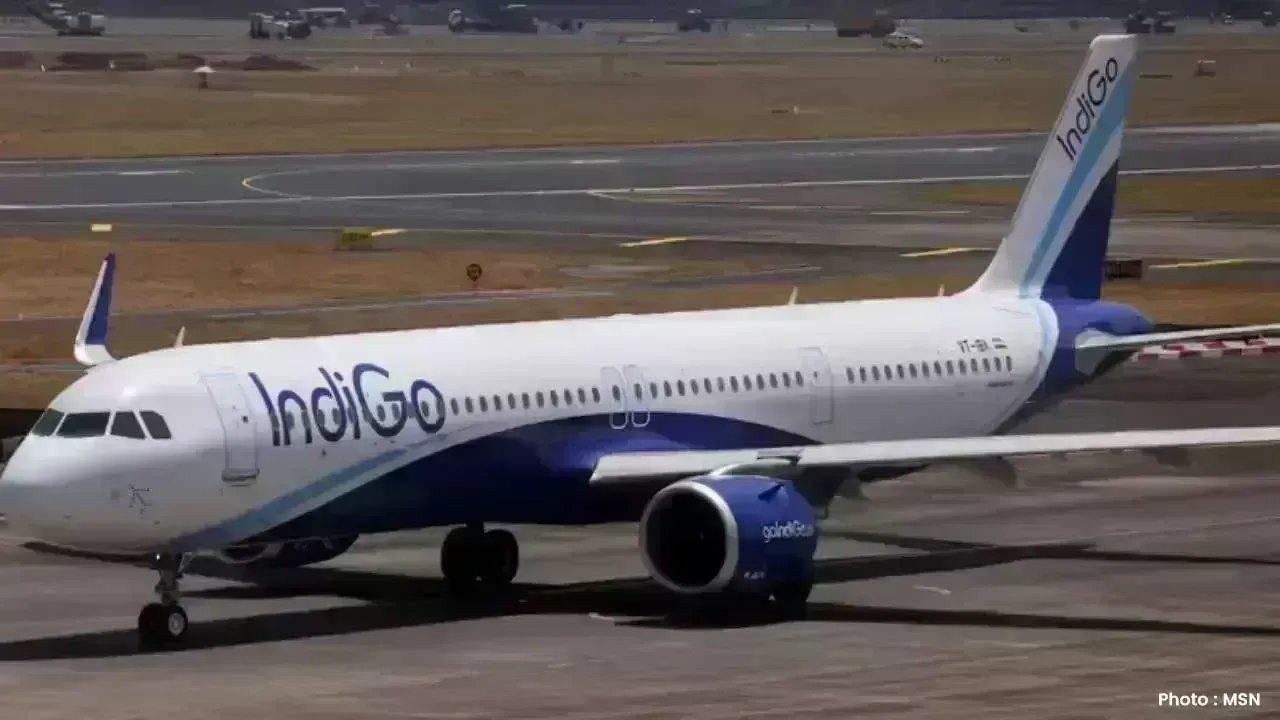
IndiGo, which is the largest domestic airline in India, experienced significant operational issues on December 3rd. More than 200 of its flights were either cancelled or delayed, leading to considerable frustration for numerous passengers nationwide. The airline issued a public apology, admitting that its operations had been “considerably disrupted across the network for the last two days,” and expressed regret for the trouble caused to travellers.
The airline indicated that a mix of unforeseen operational issues sparked the widespread cancellations. Factors included minor technology glitches, modifications in flight schedules due to the winter season, adverse weather, and increased congestion at several airports. Notably, the recent updates to Flight Duty Time Limitations (FDTL) for crew members also affected staffing, which left IndiGo with limited flexibility to manage disruptions.
Cyclone Ditwah, impacting coastal regions like Tamil Nadu and Andhra Pradesh, added to the flight disruptions. A report from Hindustan Times noted that an emergency software update for Airbus A320 aircraft initiated over the weekend of November 29–30 disrupted crew scheduling further, exacerbating delays amid rigorous regulatory demands.
The nationwide disruption was evident at major airports. Hyderabad’s Rajiv Gandhi International Airport reported 19 cancelled departures and 21 cancelled arrivals, while Bengaluru’s Kempegowda International Airport saw 62 domestic cancellations affecting major routes to cities like Delhi, Mumbai, Chennai, Hyderabad, Goa, Kolkata, and Lucknow. Mumbai had 33 cancellations, and passengers were advised to confirm their flight statuses before heading to the airport. Kolkata reported 10 cancellations along with 85 delayed flights throughout the day, disrupting connections from cities including Delhi, Mumbai, Bengaluru, Jaipur, Hyderabad, Ahmedabad, and Goa.
IndiGo cited a shortage of available pilots as partly responsible for the operational chaos, highlighting stricter fatigue-management regulations that were enacted in July and November 2025. These new FDTL rules, which require extended rest periods for pilots to avoid fatigue, have complicated scheduling for airlines like IndiGo, known for its high-frequency services, with about 2,300 flights each day.
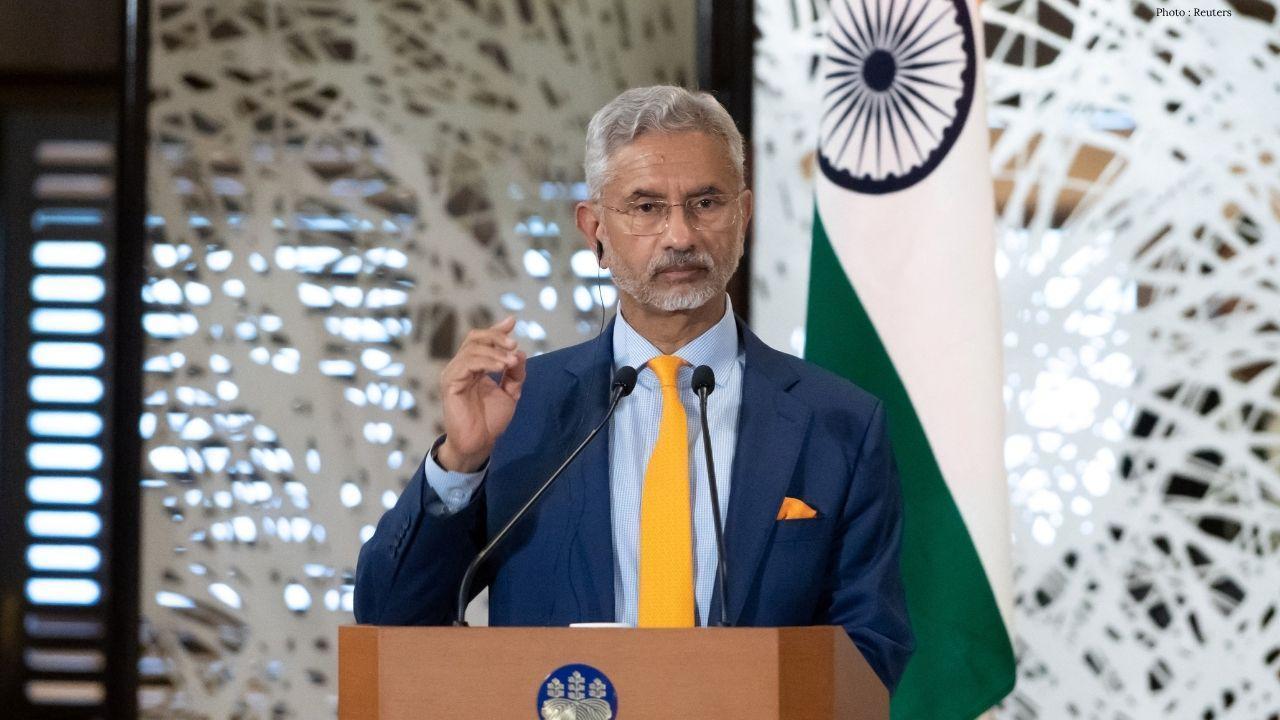
The Directorate General of Civil Aviation (DGCA) has confirmed its investigation into the disruptions and has requested that IndiGo provide an in-depth explanation of the causes along with remedial measures. DGCA data indicated that in November, IndiGo cancelled 1,232 flights, with 755 attributable to crew and FDTL issues, 258 prompted by airport or airspace limitations, 92 due to ATC system failures, and 127 tied to other conditions. The regulator noted that these disruptions significantly impacted IndiGo’s on-time performance, plummeting from 84.1% in October to 67.7% in November.
In reaction, IndiGo announced a plan for “calibrated adjustments” aimed at stabilizing flight schedules and restoring punctuality within the next 48 hours. The airline stated that its teams were functioning tirelessly to lessen passenger inconvenience, offering alternative travel arrangements or refunds wherever applicable. Passengers were encouraged to regularly verify the status of their flights prior to travelling.
Despite these efforts, reports from December 4 indicated that IndiGo continued to experience nationwide delays and cancellations. Visuals from Delhi’s Indira Gandhi International Airport showcased ongoing disruptions on flight-information display boards, underlining the challenges the airline still faces in regaining stability following the operational crisis.
The current flight disruptions highlight the ongoing challenges confronting India’s busiest airline in managing regulatory compliance, crew resources, and passenger demand, especially during periods marked by high operational stress and adverse weather.


 English