Post by : Saif
Al-Najjar
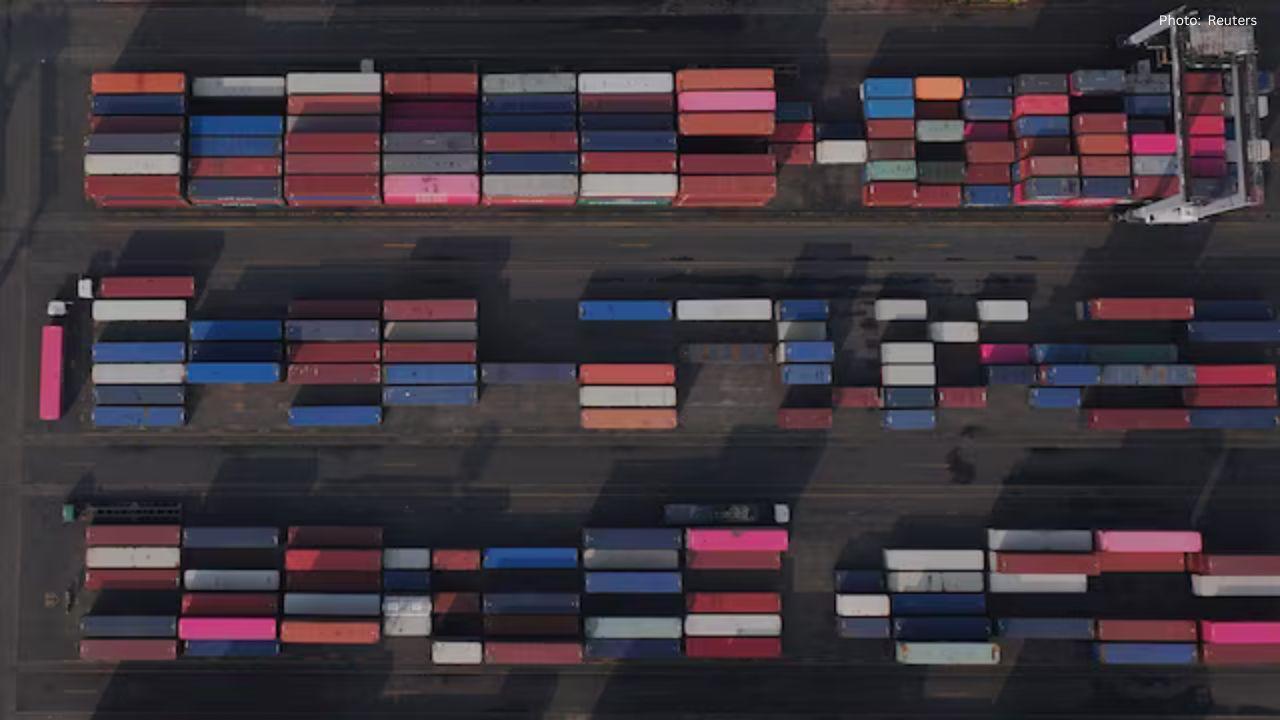
Indonesia has made significant strides in expanding its international trade by finalizing a free trade agreement with the Eurasian Economic Union, which is headed by Russia. This agreement is poised to strengthen trade relations, boost exports, and create access to new markets for Indonesian enterprises.
The agreement was inked over the weekend in St. Petersburg, Russia, with the event attended by Russian President Vladimir Putin alongside other leaders of the Eurasian Economic Union. Indonesia's Trade Minister, Budi Santoso, represented the country during this milestone event.
The Eurasian Economic Union comprises Russia, Armenia, Belarus, Kazakhstan, and Kyrgyzstan, amounting to a consumer base of approximately 180 million people. Under the terms of the agreement, Indonesia will benefit from preferential tariff rates on around 90.5% of the union's total tariff lines, leading to reduced or eliminated import duties for many Indonesian goods entering these markets.
Indonesia’s trade ministry noted that this agreement comes after two years of meticulous negotiations. While specific details of concessions offered by Jakarta remain undisclosed, officials are optimistic about significant benefits for the nation’s export industry.
According to Trade Minister Budi Santoso, this trade pact is set to broaden and enhance the competitive access of Indonesian products within Eurasian markets. He underscored that key sectors such as palm oil, footwear, textiles, fisheries, rubber, furniture, and electronics are expected to see substantial benefits, highlighting their crucial role in Indonesia's export-driven economy.
Bakytzhan Sagintayev, chairman of the Eurasian Economic Union, expressed optimism that this trade deal may potentially double the trade volume between Indonesia and the union, indicating a positive outlook for future economic collaboration.
Current trade statistics reveal potential for growth, with total trade reaching $4.4 billion from January to October this year. Indonesian exports amounted to $1.76 billion, against imports from the union at $2.64 billion. Key exports from Indonesia to the region include palm oil, coconut oil, coffee, and cocoa; meanwhile, the union primarily exports coal, fertilizers, wheat, and ferro-alloys to Indonesia.
As the largest economy in Southeast Asia, with a population of around 280 million, Indonesia is leveraging this new trade agreement to diversify its economic partnerships and lessen dependence on conventional markets. Strengthening ties with Eurasian nations aims to bolster export growth, support local industries, and generate employment opportunities.
In summary, this agreement underscores Indonesia’s rising prominence in global trade and efforts to establish itself as a crucial economic ally beyond its immediate geographic area.


 English