Post by : Bianca
Haleem
Iran has intensified its attacks on energy infrastructure in Gulf countries, targeting key sites in Qatar and the United Arab Emirates. The strikes came in response to an earlier Israeli attack on Iran’s main gas field, marking a major escalation in the Middle East conflict.
In Qatar, Iranian missiles hit a major liquefied natural gas (LNG) facility in Ras Laffan, causing large fires and heavy damage. Authorities confirmed that firefighters managed to control the blaze, but production had already been halted due to earlier attacks. The latest damage may delay Qatar’s ability to resume gas exports even after the conflict ends.
In the UAE, officials reported that operations at the Habshan gas facility and the Bab oil field were shut down following overnight Iranian attacks. The government called the strikes a “dangerous escalation” of the war.
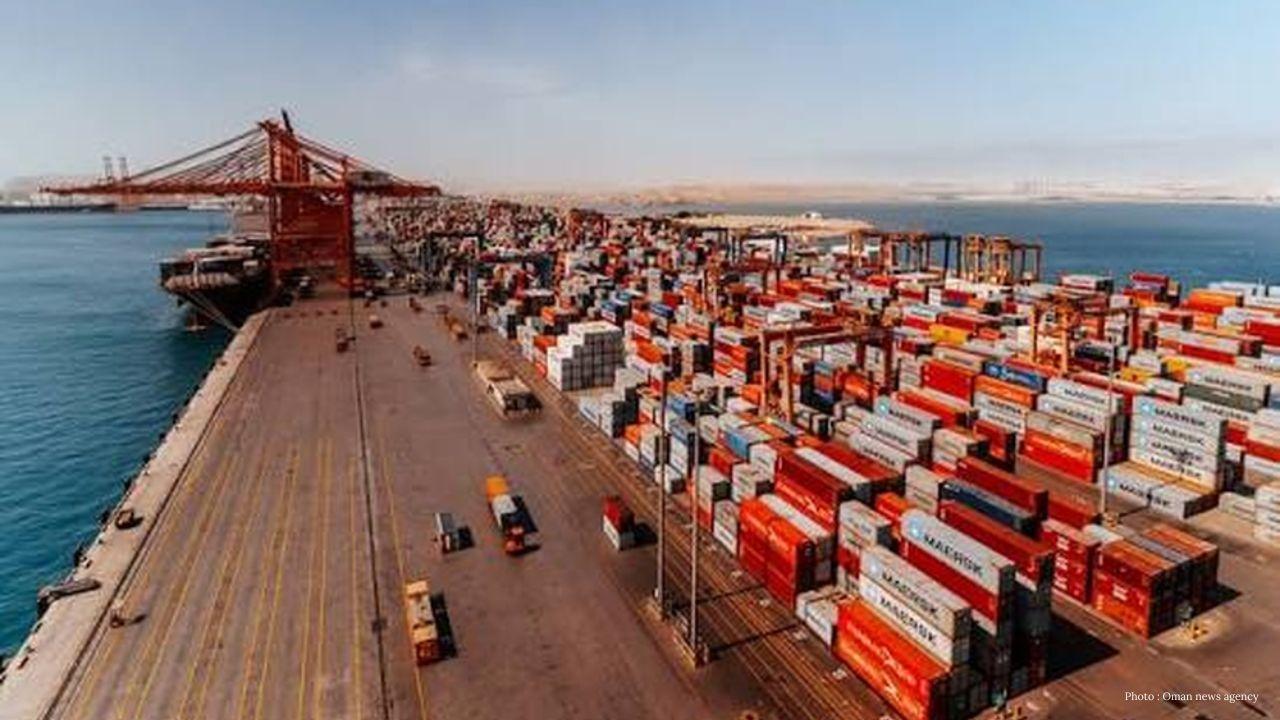
The situation has also affected maritime security in the region. A ship caught fire off the UAE coast, while another vessel was damaged near Qatar. These incidents highlight the growing risks in the Strait of Hormuz, a key route through which about 20% of the world’s oil passes. More than 20 ships have reportedly been attacked since the conflict began.
The latest escalation follows Israel’s strike on the South Pars gas field, the world’s largest natural gas reserve shared by Iran and Qatar. The attack threatens Iran’s energy supply, as natural gas accounts for nearly 80% of the country’s power generation.
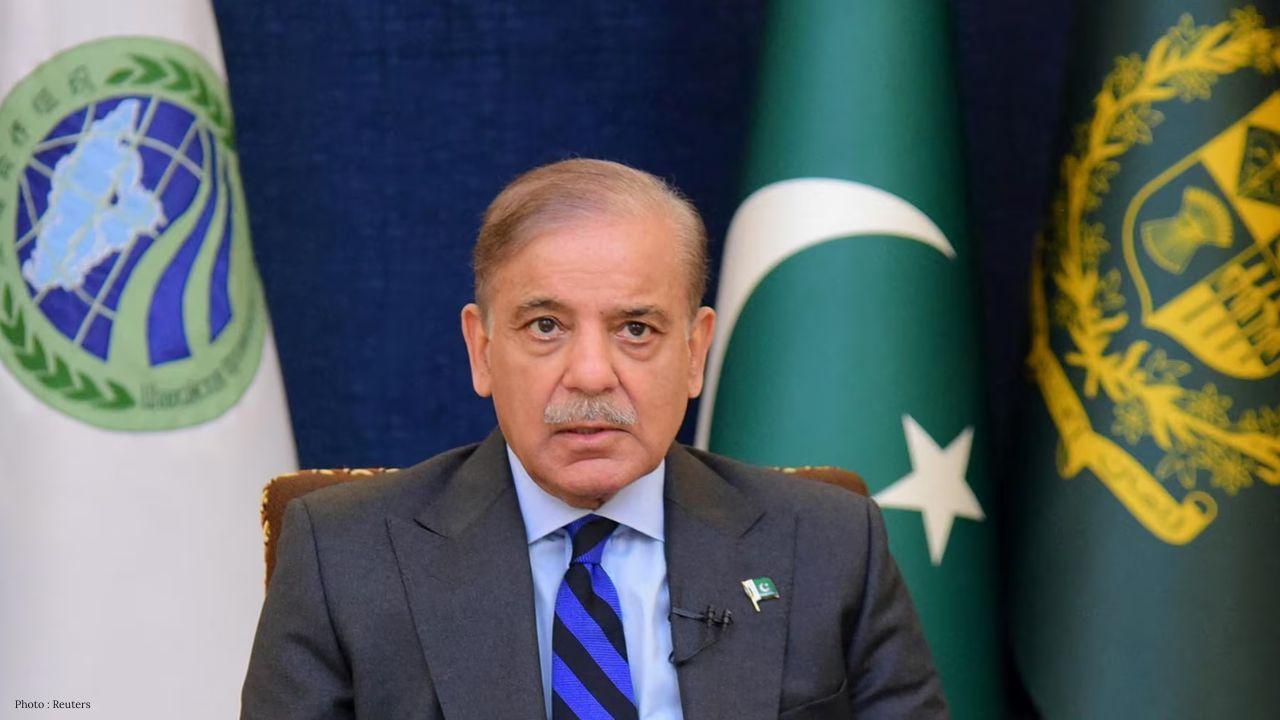
Iranian President Masoud Pezeshkian warned that the conflict could have “uncontrollable consequences” and spread globally. Meanwhile, U.S. President Donald Trump cautioned Iran against further attacks on Gulf energy infrastructure, warning of strong retaliation if strikes continue.
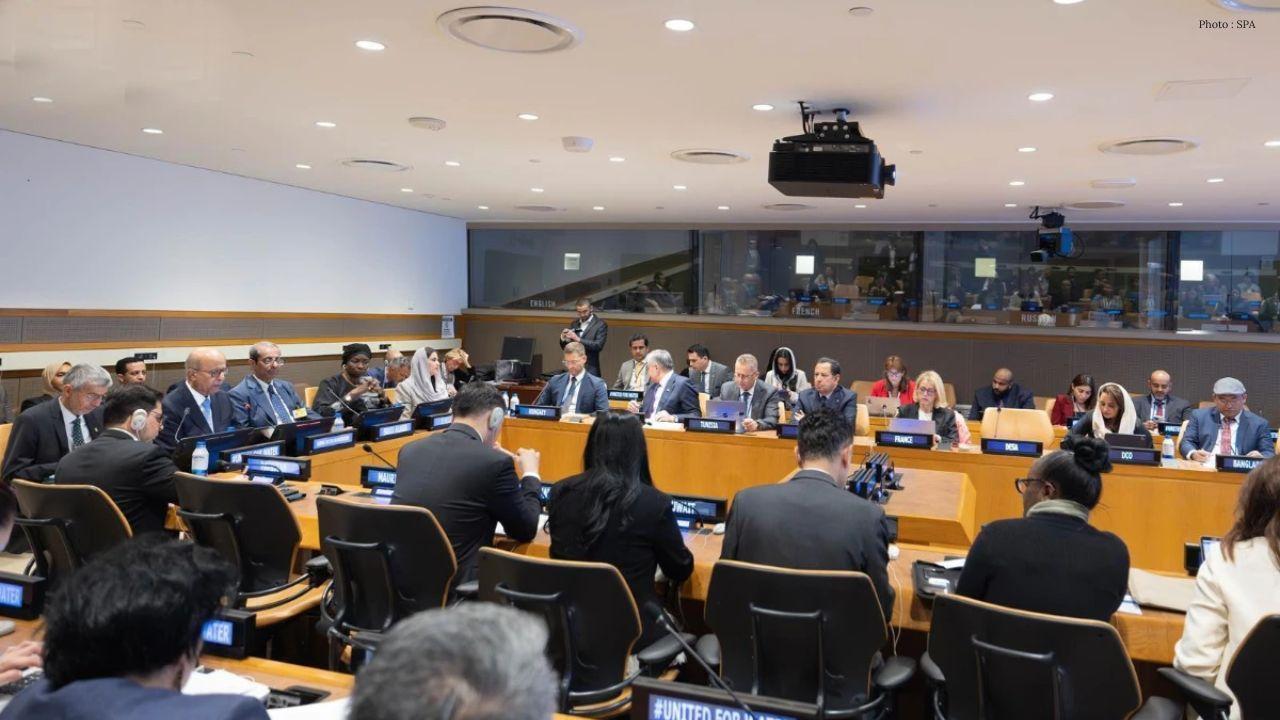
Gulf countries including Qatar, Saudi Arabia, and the UAE strongly condemned Iran’s actions. Saudi officials said the attacks have completely destroyed any remaining trust in the region.
The conflict has already had a major impact on global energy markets. Brent crude oil prices have surged above $110 per barrel, rising over 50% since the war began on February 28.
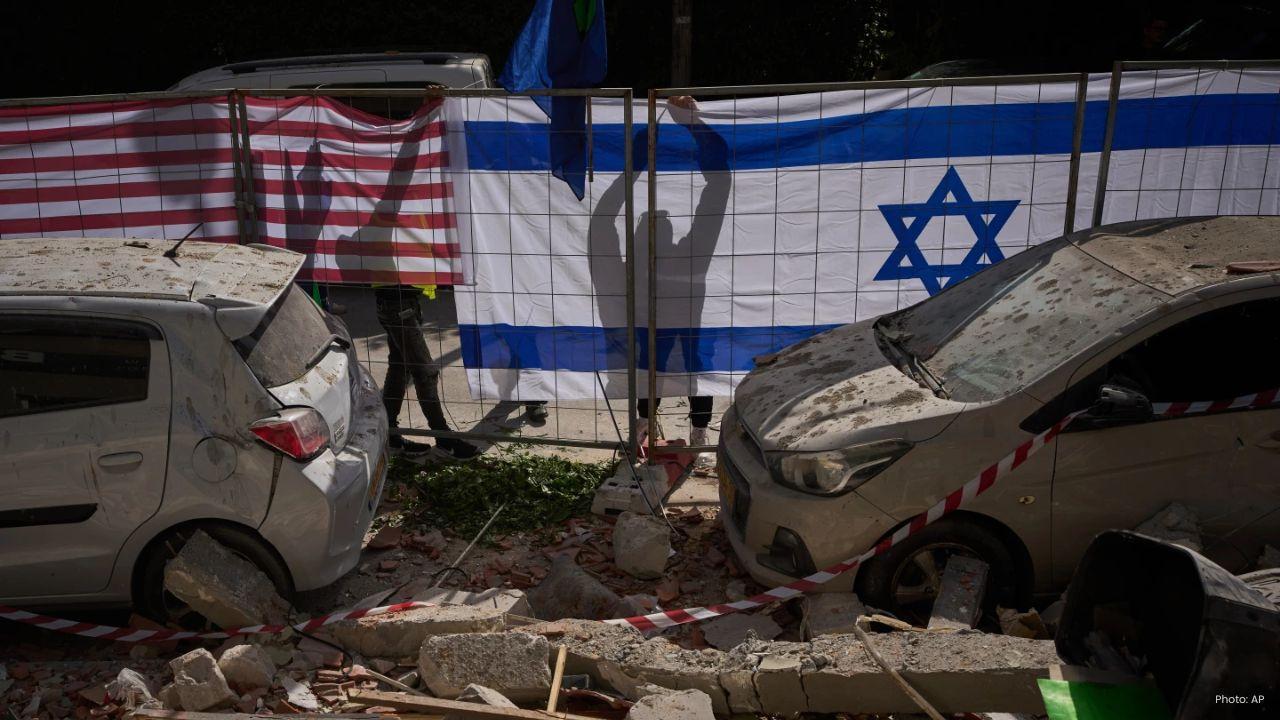
Casualties continue to rise as the war enters its third week. Over 1,300 people have been killed in Iran, while Israeli strikes have displaced more than 1 million people in Lebanon. At least 14 people have died in Israel due to Iranian missile attacks, along with 13 U.S. military personnel.
The situation remains tense, with fears that further escalation could disrupt global energy supplies and impact economies worldwide.


 English