Post by : Saif
Al-Najjar
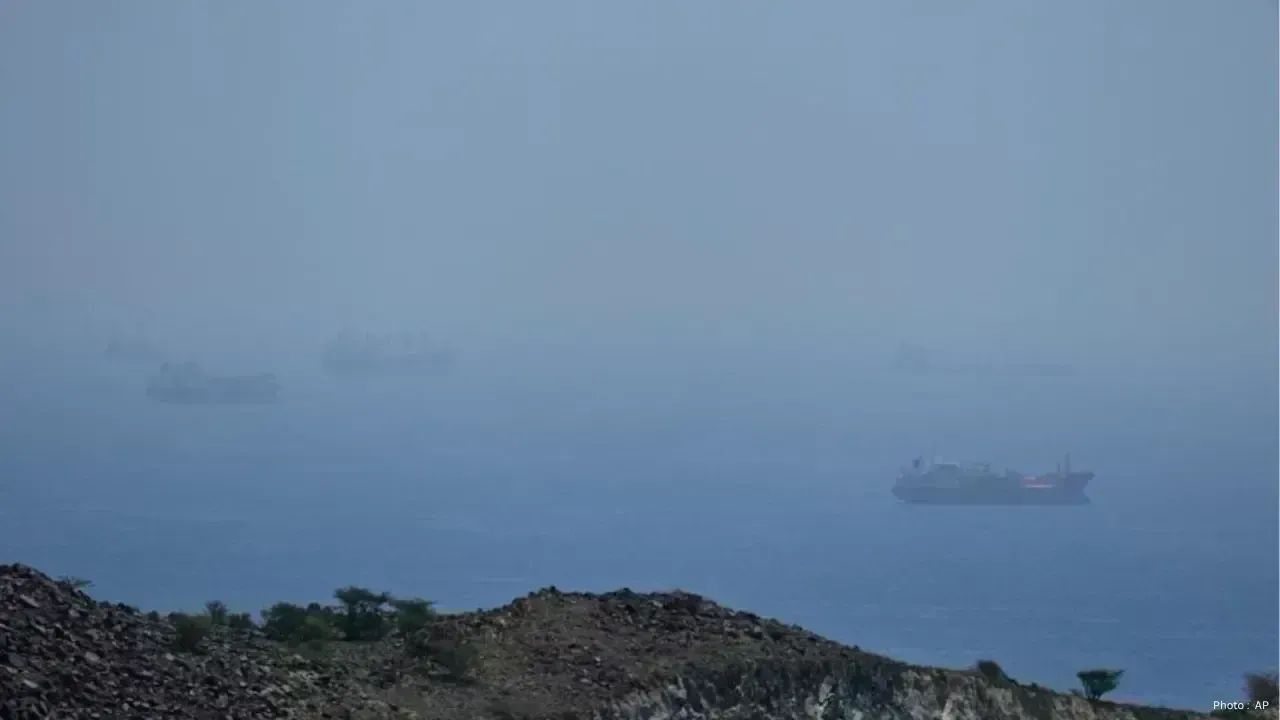
Escalating tensions in the Middle East have been marked by an attack from Iran on a container ship traversing the Strait of Hormuz. This incident has sparked significant concerns regarding the safety of international shipping corridors, global trade dynamics, and oil supply stability.
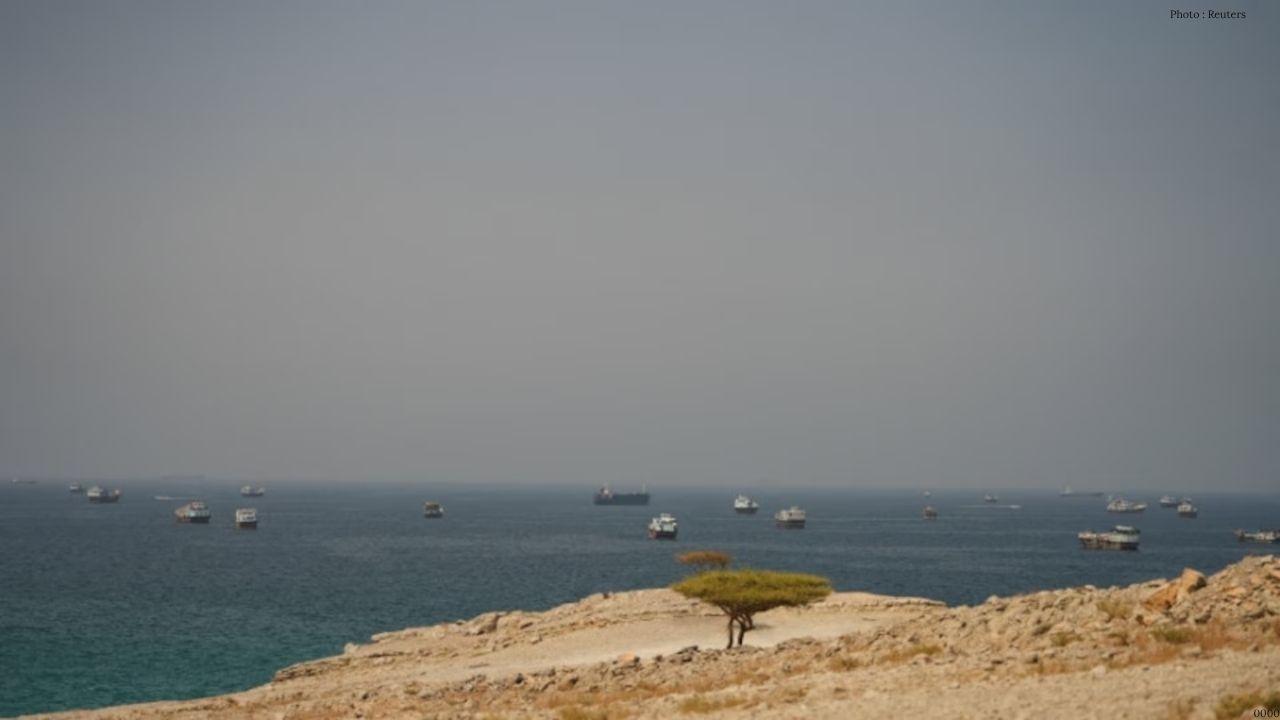
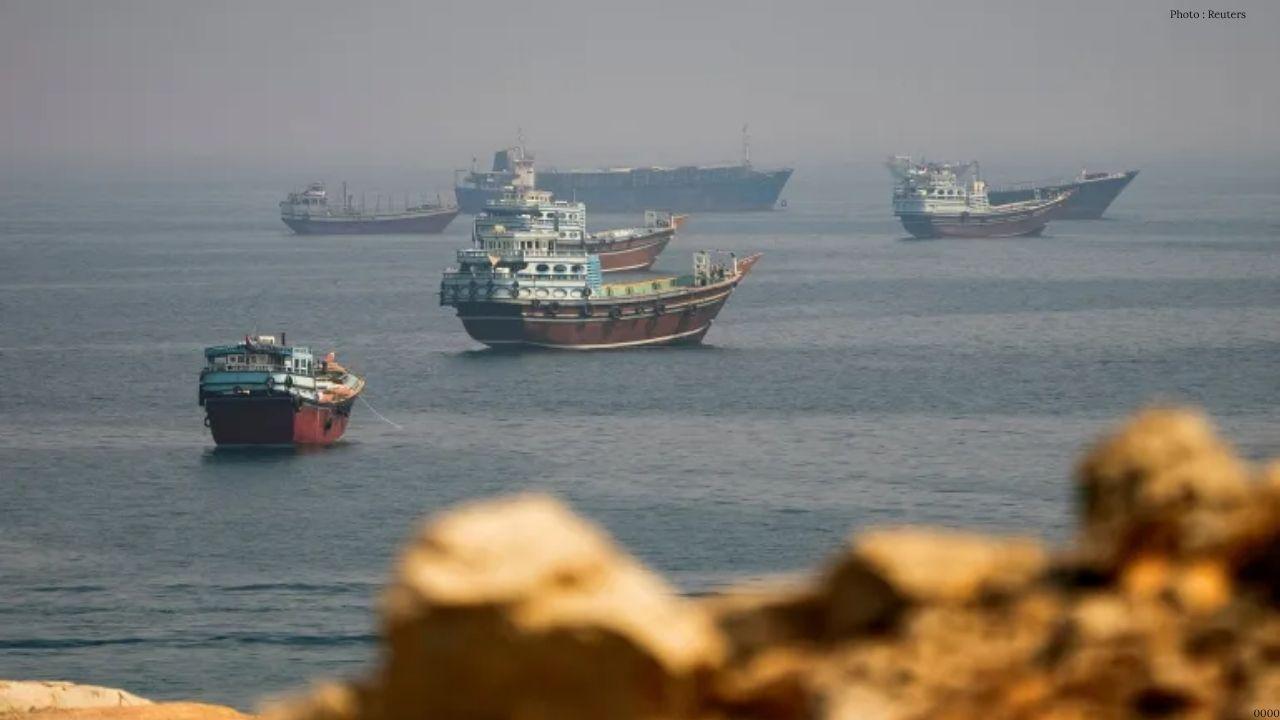
Critical to global commerce, the Strait of Hormuz sees a considerable portion of the world's oil exports passing through daily. Consequently, any act of aggression in this region can trigger swift repercussions on the global markets. Even minor disruptions can elevate oil prices and inject uncertainty into international economic transactions.
Initial reports indicate that the container vessel was targeted while navigating the strait. Details are still emerging, but anxiety is palpable among maritime companies and nation-states regarding the heightened risks in this vital passage.
This incident arises amidst already escalating tensions in the region, fueled by ongoing confrontations between Iran and various international powers. Increased military actions and urgent warnings have become commonplace, with this latest attack intensifying fears of further escalation.
From an editorial standpoint, targeting commercial vessels is alarmingly serious. These ships transport crucial commodities, including oil and raw materials, with disruptions threatening global supply chains. Such threats can trigger price spikes, impacting economies worldwide.
Moreover, the well-being of ship crews is a significant worry. Sailors rely on secure navigation through these international waters, and incidents like this jeopardize their safety, inducing widespread apprehension in the maritime sector. Protecting these individuals should be prioritized by all nations involved.
The global response to this event will be pivotal. Nations dependent on the Strait of Hormuz for energy may ramp up naval security to safeguard maritime traffic. However, any such measures must be implemented judiciously to prevent exacerbating tensions, as miscalculations could spiral into broader hostilities.
This situation also invites scrutiny of international maritime regulations, designed to maintain safe passage for vessels. Violations of these laws risk eroding trust and stability, making it essential to uphold these agreements for global peace.
Additionally, the overarching issues in the region cannot be overlooked. Historical political strife and security concerns continue to drive conflicts, suggesting that without addressing these underlying issues, similar occurrences may reappear.
The economic ramifications of such events can be profound. Disruptions in oil supply could lead to surging fuel costs, impacting transportation, businesses, and everyday life for countless individuals, particularly in countries reliant on imported energy sources.
This incident illustrates the interconnectedness of today's world; clashes in localized areas can resonate globally. It underscores the necessity for collaboration across nations to uphold stability and security.
The immediate focus should be on de-escalation and averting further incidents. Diplomatic dialogues are crucial to mitigate rising tensions. While military interventions might provide short-lived control, sustainable peace necessitates understanding and cooperation.
The Strait of Hormuz is an indispensable artery for global trade. Its security is not merely a local concern but a worldwide obligation. The recent attack serves as a wake-up call, reminding us how precarious peace is in these pivotal regions.
As developments unfold, global scrutiny will remain high. The choices made in this critical phase will influence the region's future and reverberate in the global economy. Prioritizing stability, safety, and cooperative efforts is essential.


 English