Post by : Saif
Al-Najjar
The Middle East is experiencing a perilous moment, with recent military confrontations involving Iran, the United States, and Israel raising alarms about regional stability. What initially appeared to be diplomatic efforts are now overshadowed by escalating conflicts. The launch of missiles, airstrikes, and escalating political tensions have contributed to an environment of uncertainty. As international observers keep a watchful eye, the ramifications of this crisis extend beyond borders.
Recent reports indicate that Iranian forces have launched missiles towards Gulf nations, prompting American military responses targeting Iranian sites. There were also incidents involving intercepted drones amid these confrontations. These actions have unfolded as negotiations aimed at diffusing tensions seem to be deteriorating. While US officials express a desire to keep dialogue open, sources from Tehran indicate that discussions have significantly slowed down, emphasizing the growing divide between statements and actual developments.
A significant worry arises as military maneuvers coincide with stalled diplomatic efforts. History demonstrates that when dialogue dwindles and military activity escalates, the probability of miscalculation increases. A modest military action could provoke a more intense reaction, entrenching a vicious cycle that is hard to halt. During such crises, leaders often face pressure from domestic circles and political allies, making consensus increasingly challenging.
Another critical aspect is the intertwined nature of regional disputes. Reports suggest that Tehran insists on addressing broader security matters before engaging in meaningful negotiations, highlighting the interconnectedness of various Middle Eastern issues. Resolving one problem typically necessitates progress in others, meaning that a superficial agreement will likely fall short without addressing deeper political and security dilemmas.
The implications of the crisis extend beyond governmental and military domains. Daily life for ordinary citizens is already being affected, especially as economic challenges mount in Iran, with inflation escalating to alarming rates. The soaring prices of food and essentials are creating hardships for countless families. The combination of economic stress and insecurity may fuel public dissatisfaction and societal tensions. When citizens struggle to fulfill basic needs, the chances of political unrest rise considerably.
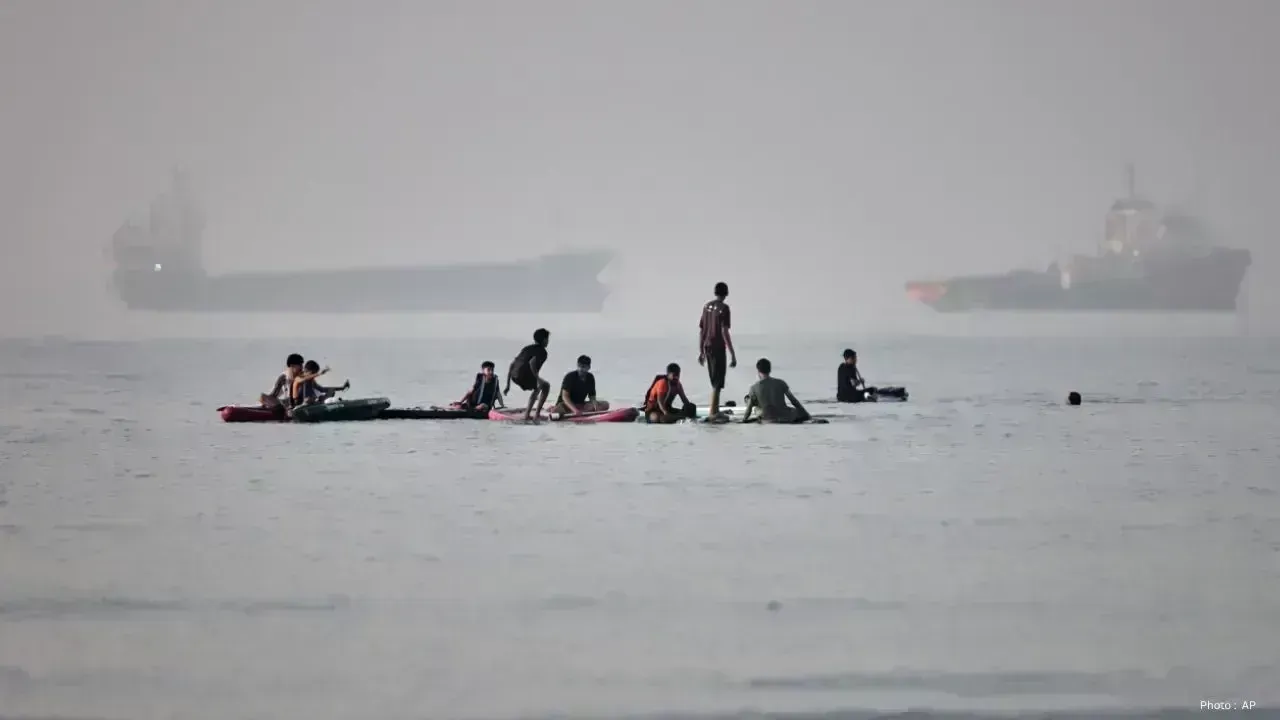
Global energy markets are paying close attention as well. The Strait of Hormuz remains a critical artery for oil and natural gas transportation. Any risk to this vital route can have widespread repercussions on fuel prices. Past disruptions have already caused energy expenses to surge, and should tensions persist, consumers and businesses globally may face higher costs associated with transportation, manufacturing, and other essential functions.
From an editorial viewpoint, the paramount concern is the gradual acceptance of ongoing hostility. Each new incident could normalize future confrontations, creating a setting where military strategies overshadow diplomatic routes. Such developments would jeopardize not only the involved nations but also neighboring countries likely to be entangled in the fallout.
The international community has a crucial role to fulfill. Regional influencers, global entities, and diplomatic allies must propel continuous dialogue and assist in initiatives that mitigate tensions. Constructive negotiations demand patience, compromise, and an openness to address the particular needs of all involved parties. Despite significant disagreements over security measures, sanctions, and regional authority, the repercussions of forsaking diplomacy could be disproportionately severe.
Each of the US, Iran, and Israel faces intricate security predicaments and domestic pressures. Nevertheless, military strategies alone are unlikely to yield enduring solutions. Sustainable stability hinges on agreements that mitigate fear, enhance trust, and establish frameworks to avert future upheavals. The current crisis underscores the urgent need for such undertakings.
The Middle East has endured extensive conflict, instability, and lost opportunities for peace. The recent escalations remind us that progress can swiftly erode when negotiations falter. Leaders are confronted with a pivotal decision: persist on a trajectory that heightens the risk of a wider confrontation or re-engage in serious diplomatic initiatives aimed at alleviating suffering and alleviating economic strain.
The stakes are critically high. The quest for regional stability, global energy security, and the welfare of millions hinges on the ability to forge a peaceful pathway forward. The upcoming weeks will be instrumental in determining whether the region leans toward further strife or renewed dialogue and collaboration. For the benefit of both the Middle East and the international community, prioritizing diplomacy is essential.


 English