Post by : Shweta
Israel and Lebanon have finalized a US-supported ceasefire agreement following diplomatic discussions aimed at calming tensions along their border. This deal marks a crucial move toward preventing further conflict after a period of escalating violence and instability.
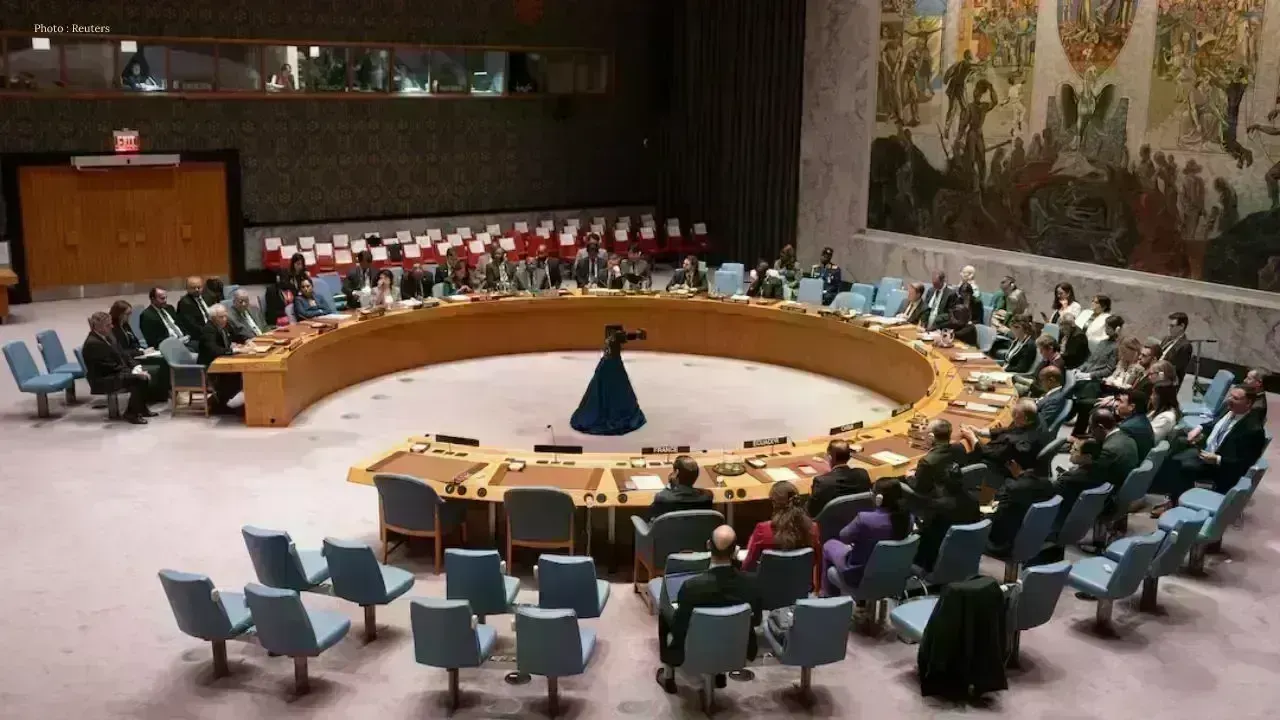
The United States announced this new framework after facilitating talks between representatives from both nations. The agreement aims to enhance security along the border while paving the way for long-term stability. Officials emphasized that this framework is vital for minimizing the chances of further escalation.
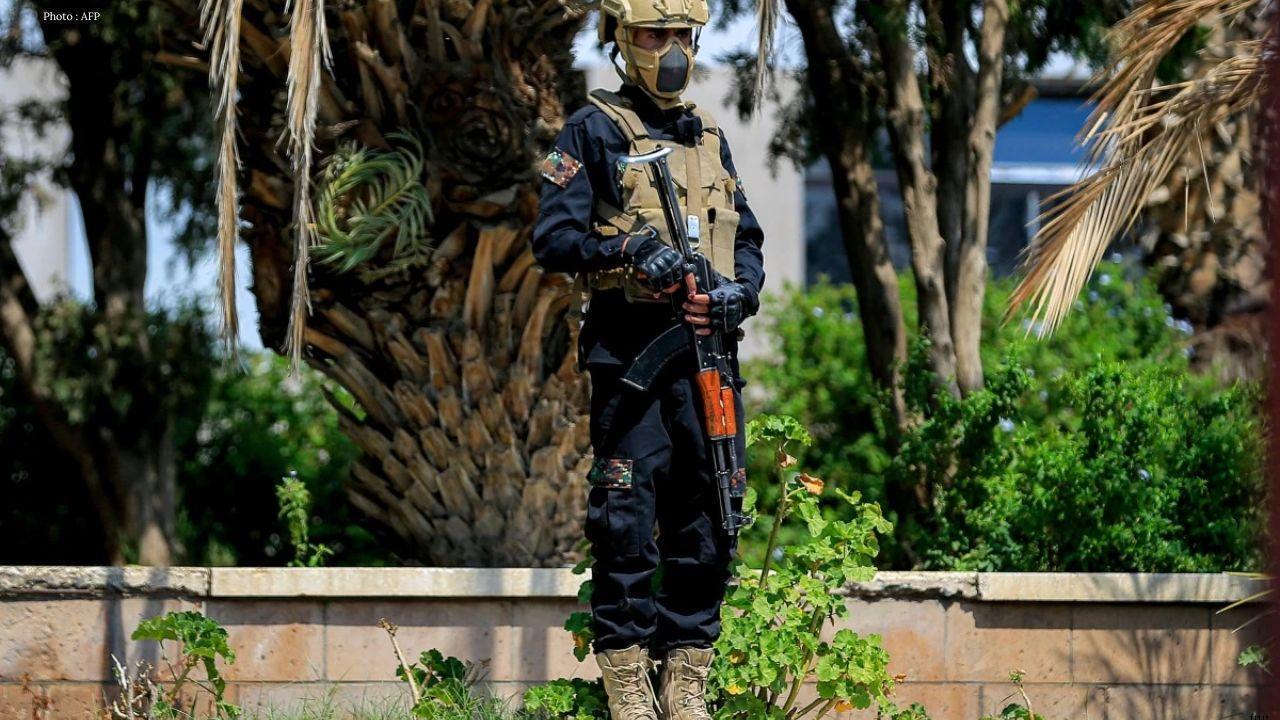
A central feature of this agreement is the proposed enhancement of the Lebanese Armed Forces' presence in southern Lebanon. According to the framework, the Lebanese military would assume greater responsibility for security in designated areas, intending to curb the activities of armed groups operating outside governmental control.
The ceasefire also seeks to halt Hezbollah's attacks on Israel. Recent exchanges between Hezbollah and Israeli forces have increased tensions, leading to casualties and displacement, heightening fears of more extensive conflict. Negotiators are optimistic that reducing military operations will foster a stable environment for ongoing diplomatic pursuits.
This milestone follows numerous discussions among international stakeholders and regional representatives. The US has been instrumental in fostering dialogue between the two sides, recognizing stability along the Israel-Lebanon border as crucial for broader regional security.
However, the efficacy of the new ceasefire remains in question. One significant hurdle is Hezbollah's stance, as the influential Lebanese armed group did not partake in the negotiations and has yet to formally back the framework.
This absence of support brings concerns over the ceasefire's enforcement. While both Israel and Lebanon agree on the framework's general principles, its success hinges on the compliance of all armed factions active in the region. Experts suggest that agreements may falter when key groups are excluded from deliberations.
The Israel-Lebanon border has emerged as one of the most volatile areas in the Middle East. Ongoing clashes, rocket attacks, and military engagements have continuously posed the risk of a larger conflict. Observers have cautioned that ongoing instability could yield broader repercussions.
Proponents of the new framework assert that bolstering the Lebanese army's role could fortify state structures and enhance security coordination. They argue that a stronger official military presence might diminish chances for future conflicts and propel diplomatic endeavors between the nations.
Simultaneously, officials recognize that this framework is merely a preliminary step. Future negotiations and confidence-building strategies will likely be essential for achieving a more sustainable and comprehensive agreement. Upcoming talks are anticipated to center around border security, stability arrangements, and mechanisms for mitigating renewed hostilities.
The global community is observing the developments closely, with many governments articulating support for initiatives aimed at preserving calm. A successful ceasefire could alleviate tensions in a region long plagued by cycles of conflict.
As it stands, the agreement lays a potential foundation for de-escalation, although its long-term viability is contingent on cooperation from all involved. The transformation of this framework into enduring peace remains uncertain, especially given the unresolved issues related to Hezbollah's stance and the real challenges of implementation.
Stay tuned for further updates as this situation continues to evolve.


 English