Post by : Anis
Al-Rashid
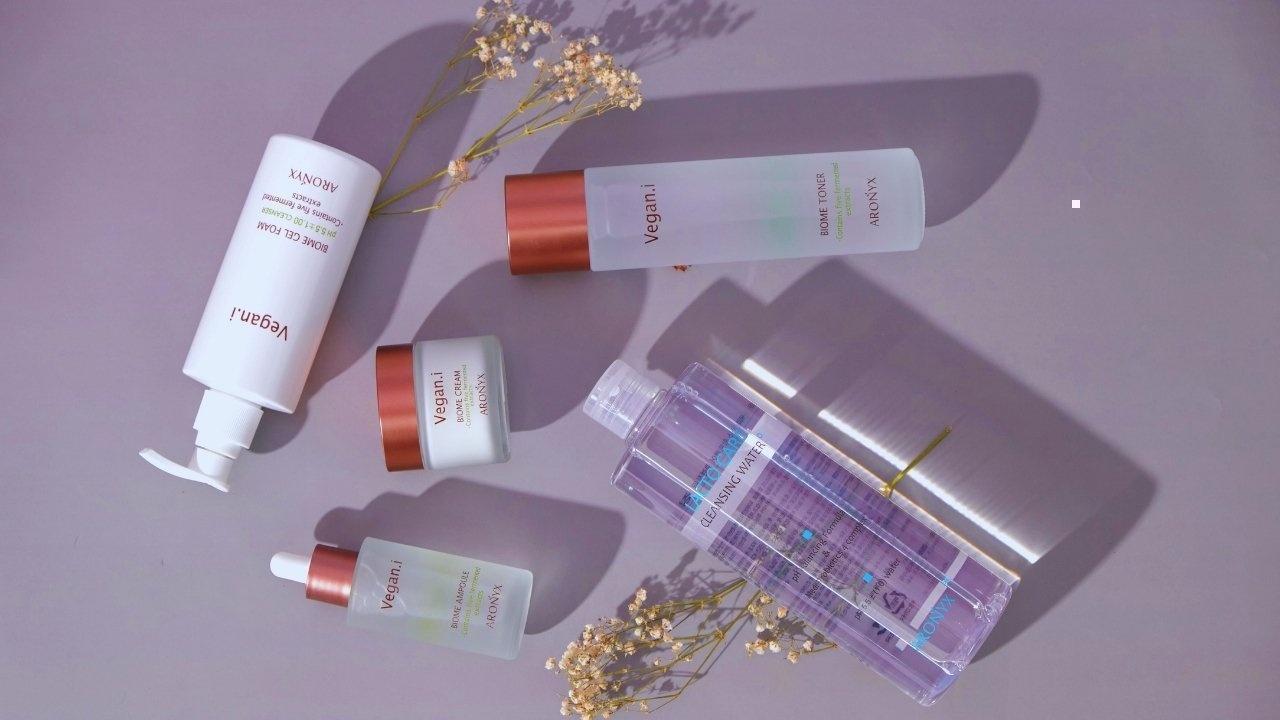
By 2025, many consumers have abandoned lengthy beauty regimens in favour of a pared-back approach. Often called skinimalism, this movement favours fewer items, clearer formulas and practical routines. The central idea is straightforward: streamline your steps to improve outcomes.
The change reflects deeper insights into skin physiology. Research and expert advice now stress protecting the skin barrier, minimising irritation, and avoiding unnecessary ingredient overlap. For users, simpler routines save time and money and often reduce environmental impact.
This report outlines why minimalist skincare is expanding, what a compact routine looks like, its advantages and risks, and how to adopt an efficient regimen that supports long-term skin health.
Why the Movement Is Expanding
Awareness of the Skin Barrier
Growing focus on the skin barrier is a key driver. Excessive use of actives or repeated layering can weaken this protective layer, causing sensitivity, dryness and inflammation. Simplified routines give the barrier space to recover and function effectively.
More consumers now realise that multiplying products does not guarantee better results; targeted, barrier-friendly selections often outperform complex stacks.
Ingredient Literacy and Transparency
Shoppers are better informed and scrutinise labels and claims. This demand for clarity has pushed brands to formulate with fewer, well-studied ingredients. Minimalist lines are built to be transparent, safe and results-focused, helping buyers make informed choices.
Time, Cost and Sustainability Drivers
Lengthy regimes can be costly and time-consuming. Simplifying steps reduces expense and waste, aligning with sustainability goals. Fewer products mean less packaging, fewer chemicals released into the environment, and lower overall consumption.
Social Trends and Aesthetics
Social media has amplified the appeal of a natural, low-maintenance look. The "bare face" aesthetic resonates with audiences seeking authenticity and efficiency over elaborate routines, helping push minimalism into mainstream visibility.
What a Minimalist Routine Entails
Core Principles
Minimalist skincare is guided by a few practical principles:
-
Fewer Products: Replace long multi-step regimens with three to five essential items.
-
Multipurpose Formulas: Choose products that address multiple needs to reduce the total number used.
-
Gentle, Barrier-Supporting Ingredients: Avoid excessive actives and irritants.
-
Thoughtful Layering: Apply products in a way that prevents interactions and minimises stress on the skin.
-
Focus on Essentials: Prioritise cleansing, targeted treatment and sun protection over optional extras.
Sample Routine
Morning:
Evening:
These steps suit most skin types and deliver key protection and repair without overburdening the skin.
Key Ingredients
Minimal approaches concentrate on effective, evidence-backed actives rather than many products. Important components include:
-
Ceramides, Niacinamide, Hyaluronic Acid: Support hydration and barrier recovery
-
Broad-Spectrum Sunscreen: Daily protection remains non-negotiable
-
Targeted Actives: Applied selectively for issues like pigmentation or acne
Benefits of Keeping It Minimal
Adopting a streamlined routine delivers clear advantages:
-
Lower Irritation Risk: Fewer products reduce the chance of ingredient conflicts.
-
Easier Consistency: Simpler regimens are easier to maintain, improving long-term outcomes.
-
Better Value: Investing in high-quality essentials often outperforms buying many low-impact items.
-
Environmental Upside: Less packaging and fewer products lower the ecological footprint.
-
Stronger Skin Health: Emphasising fundamentals promotes resilience rather than short-term fixes.
How the Trend Is Evolving in 2025
Now moving into what some call Skinimalism 2.0, the emphasis is on optimisation rather than mere reduction.
-
Manufacturers are selecting fewer ingredients with clear clinical backing.
-
Shoppers expect full disclosure about formulations and performance.
-
The approach appeals across age groups, from younger buyers to mature consumers, each seeking different benefits.
Minimalist skincare has moved from niche to mainstream, reflecting a wider preference for efficient, honest self-care.
Risks and Caveats
Minimalism offers advantages but also requires caution:
-
Avoid Oversimplifying: Some conditions still need specialist or multi-targeted care; minimal does not always equal sufficient.
-
Potency Counts: Fewer items only help if those products are well-formulated and effective.
-
Marketing Misuse: "Minimalist" can be used as a buzzword—consumers should evaluate claims critically.
-
Adjustment Phase: Skin may react temporarily during the transition from a complex routine.
-
Realistic Expectations: Streamlined care supports long-term improvement rather than instant transformations.
Practical Tips for Content Creators and Readers
Story Ideas
Suggested angles for coverage include:
-
"When Your 10-Step Routine Does More Harm Than Good"
-
"Skinimalism in 2025: Why Less Is Smarter"
-
"Trimming the Shelf: How Minimalism Is Reshaping Beauty
-
"Key Ingredients That Make Compact Routines Work"
-
"Brand Strategies in the Minimalist Era"
Everyday Tips
-
Audit existing products to determine which are essential.
-
Begin with 2–3 staples: cleanser, moisturiser and sunscreen.
-
Check ingredients for simplicity and compatibility.
-
Allow time for the skin to adapt; consistent use matters most.
-
Frame minimalism as purposeful care, not omission of essentials.
-
Adjust for seasons or skin changes while keeping the routine lean.
-
Highlight the environmental and financial benefits of using fewer products.
SEO Notes
When covering this topic, consider keywords like: "minimalist skincare routine," "skinimalism 2025," "simplified skincare steps," "fewer-ingredient skincare," "skin barrier care," and "less-is-more beauty trend."
Industry Impact
Minimalist skincare is reshaping the beauty market:
-
Consumers: Demand simpler, more effective products and clearer information.
-
Brands: Face pressure to innovate with concise, transparent formulations.
-
Media: Can play a role in educating audiences and cutting through marketing noise.
-
Retailers: May curate essential-only selections and prioritise customer education.
-
Sustainability: Fewer products help reduce waste and support responsible consumption.
Minimalist skincare is influencing product development, marketing and consumer behaviour worldwide.
Conclusion
Minimalist skincare represents a significant shift in approach: in 2025 the focus is on efficient, evidence-based routines rather than extensive product lists.
For consumers, this approach conserves time and money while promoting more resilient skin. For industry players, it creates opportunities to prioritise clarity, science and sustainability.
In a crowded market of claims and complexity, deliberate simplicity is becoming the preferred way to care for skin—prioritise what matters and remove what doesn't.
Disclaimer:
This piece is informational and editorial in nature. It discusses trends and general advice and is not a substitute for personalised medical or dermatological guidance. Readers with specific concerns should consult a qualified professional.


 English