Post by : Meena
Hassan
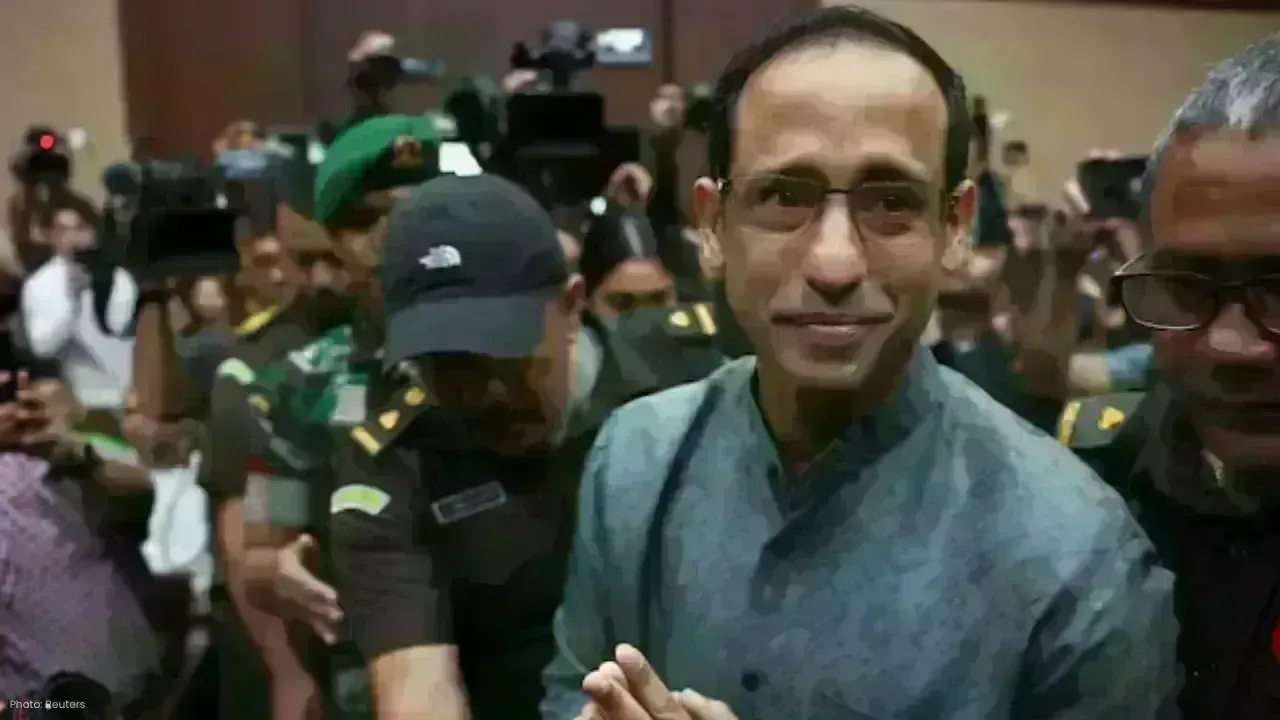
Nadiem Makarim, the ex-CEO of Gojek and Indonesia’s previous education minister, is in hot water after being charged with corruption related to Chromebook procurement for schools amid the COVID-19 crisis, involving around $125 million in public funds. Prosecutors allege Makarim manipulated the tender process to favor Google, leading to an estimated personal gain of 809 billion rupiah, or roughly $48 million. Furthermore, multiple firms reportedly gained financially from the procurement scheme.
The scandal raises concerns regarding the appropriateness of the devices, as the Chromebooks were criticized for inadequacy in remote learning, particularly in regions with poor internet access. Critics have pointed out that the initiative overlooked the digital divide, questioning the logic behind the program's planning and execution. During this period, Google’s $59 million investment in Makarim’s former company has also heightened suspicions about potential conflict of interests.
Prosecutors have indicated that the tender process was allegedly designed to favor specific suppliers, undermining the integrity of the competitive bidding process. Several officials from the Ministry of Education are also under investigation, hinting at broader corruption potentially embedded within the administration. The authorities claim the actions resulted in significant losses to public finances and contravened procurement regulations.
In response, Makarim and his legal representatives have asserted their innocence, contending that the presented evidence fails to justify the charges and claiming that procurement decisions were executed in good faith to support education during an urgent crisis. Makarim emphasized that the necessity of remote learning during the pandemic warranted prompt action, suggesting that the procurement was made to facilitate continuous education despite school closures.
If found guilty, Makarim could face serious repercussions, as the charges hold a potential maximum sentence of 20 years in prison. The case has attracted significant media attention across Indonesia, underscoring the complexities at the intersection of public service, corporate interests, and accountability in initiatives during the pandemic. Observers speculate that the resolution could set a critical standard for addressing corruption in large educational projects, especially involving prominent figures.
As the case continues to unfold, investigators are deepening their scrutiny of fund flows and decision-making within the ministry, while public discourse grows around the effectiveness and transparency of government programs developed in response to the pandemic.


 English