Post by : Raina
Al-Fahim
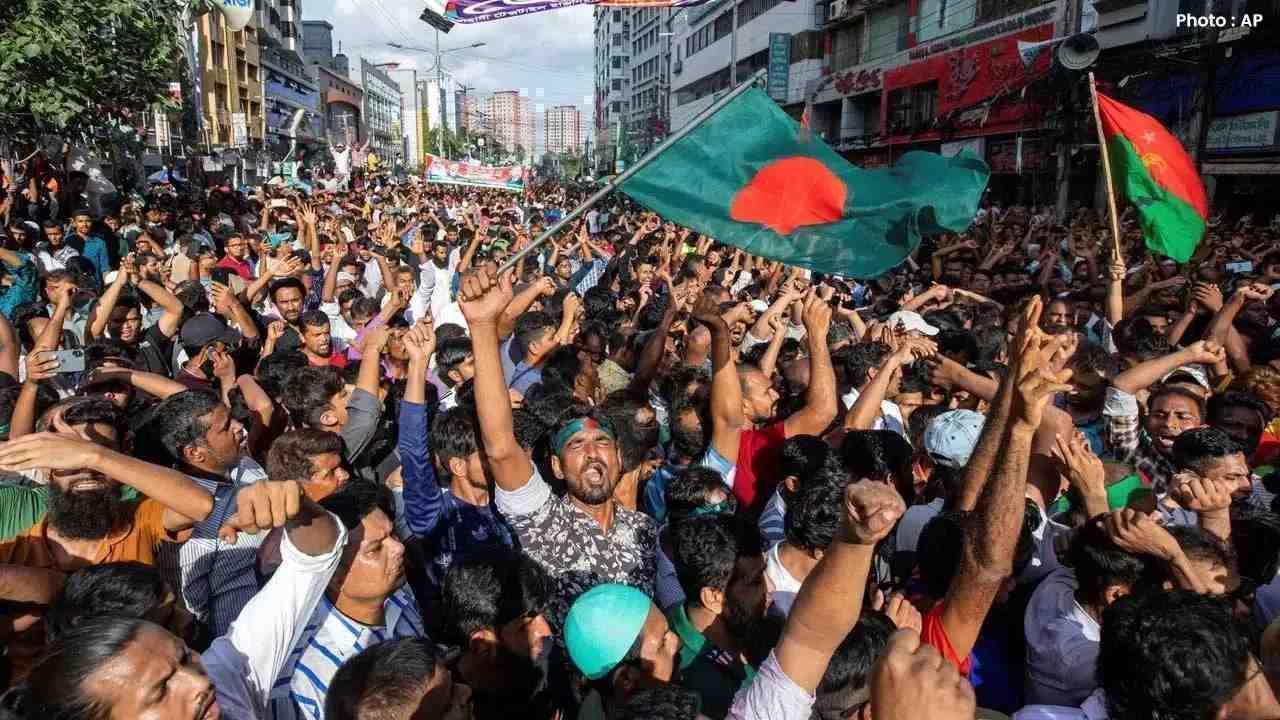
In the lead-up to Bangladesh's parliamentary elections in February, the student-driven National Citizen Party (NCP) grapples with the challenge of converting its grassroots popularity into electoral gains. Following the departure of long-time Prime Minister Sheikh Hasina, the party has emerged as a pivotal influence, striving to dismantle longstanding nepotism while contesting the traditional political establishment. Current polling indicates the NCP is lagging in third place at six percent support, overshadowed by the Bangladesh Nationalist Party (BNP) at thirty percent and Jamaat-e-Islami with twenty-six percent.
Party leaders concede that the NCP is still finding its footing, characterized by limited resources and the need for a robust network to compete in all 300 parliamentary constituencies. Nahid Islam, the 27-year-old leader and a key figure from the anti-government protests last year, stated from their headquarters in Dhaka, adorned with graffiti from the uprising, that their intention lies in broad reforms rather than mere electoral wins.
Despite significant initial enthusiasm from a youth following, some supporters have voiced their dissatisfaction. Feminist activist Prapti Taposhi questioned the party's reluctance to take firm stands on critical issues such as women's rights and minority protections. The NCP's inability to win a seat in recent Dhaka University student elections, historically a stronghold for opposition movements, further illustrates the difficulties in shifting from activism to formal politics. Meanwhile, Hasina’s Awami League still faces restrictions on electoral participation, raising the risk of unrest that might impact the country's vital garment industry, which ranks second globally in exports.
To bolster its influence, the NCP is looking to form alliances with established parties like the BNP and Jamaat-e-Islami. Analysts caution, however, that such partnerships may compromise the party's “revolutionary” narrative and its unique stance outside the conventional political arena. The original wave of student activists is dwindling, leaving a core group tasked with sustaining the NCP amidst formidable political machinery entrenched in rural regions.
Additionally, the organization's operations are hampered by financial constraints. Members rely on personal funds, small contributions, and crowdfunding for campaign activities. Leaders like Hasnat Abdullah are directly appealing to villagers, promoting transparency in the allocation of government resources over financial incentives. Accusations against certain party leaders, which the NCP refutes, have further complicated public perception.
Despite such challenges, the NCP still draws a youthful following, seen as a possible catalyst for transformation in a system historically dominated by wealth and entrenched interests. University student Manzila Rahman expressed optimism that the party's youth-led initiative could bring about a more equitable political climate. The upcoming candidate selection in November aims to include over 1,000 everyday citizens—ranging from rickshaw drivers to activists injured in protests—signifying a commitment to inclusive political engagement.
Established political figures, including those from the BNP and Jamaat, are recognizing the need to connect with younger voters. BNP leader Mirza Fakhrul Islam Alamgir emphasized that the next generation must be integrated into the political dialogue. NCP leaders assert that their objectives surpass immediate election goals, focusing on lasting institutional reforms. As Abdullah highlighted, “Regardless of the election outcome, our participation itself introduces something new,” illustrating the party's desire to influence Bangladesh's political narrative.
This rewrite maintains clarity while ensuring optimal search engine visibility by highlighting terms like “National Citizen Party,” “Bangladesh elections,” and “student-led movement.”


 English