Post by : Shweta
A shift in U.S. tariff regulations is posing substantial hurdles for Canadian mould and tool manufacturers, with industry leaders raising alarms over potential financial ramifications. The revised policy now levies tariffs on the entire value of imported metal goods, leading to heightened expenses for businesses engaged in cross-border commerce.
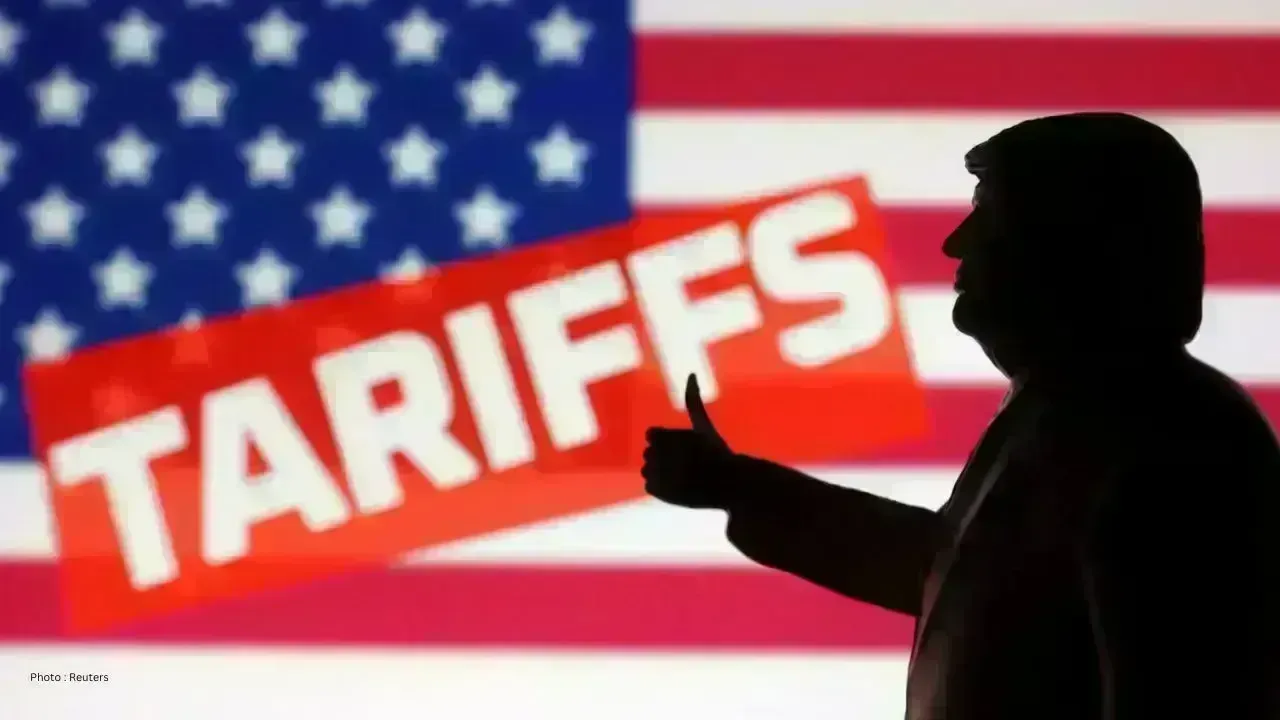
This policy adjustment was enacted under the Trump administration, citing Section 232 of the U.S. Trade Expansion Act, which targets imports of steel, aluminum, and copper. Unlike previous tariffs that focused solely on the metallic content of products, this new regulation imposes taxes on the complete declared value, with some items facing tariffs that can soar to 50 percent.
Regions like Windsor, Ontario, where many firms are closely linked to U.S. supply chains, are particularly affected. Companies in this sector typically exchange products across the border multiple times during manufacturing, meaning the new tariffs can be applied multiple times to the same goods.
According to Jonathon Azzopardi, president of Laval Tool & Mould Ltd., this shift could impose costs amounting to millions annually. He condemned the move as a significant disruption to Canada’s supply chain, cautioning that some firms might need to consider relocating to the U.S. to maintain competitiveness.
The abruptness of the policy change has left many businesses unprepared. The Canadian Association of Mold Makers has indicated that the unexpected rise in tariffs has created considerable uncertainty, especially for firms that had already established contracts and production plans prior to the announcement.
The financial implications are considerable. Industry estimates now suggest that a mould that once faced around $1,500 in tariffs could bottom out with costs surpassing $30,000. For numerous small to medium-sized manufacturers working on precarious profit margins, such spikes could jeopardize their existence.
Experts point out the highly interconnected nature of North American manufacturing. Companies from both Canada and the U.S. often rely heavily on one another, making disruptions of this kind particularly harmful across the border. Industry figures are apprehensive that prolonged tariffs could enable competitors from other nations to seize market share.
Political figures in Canada are taking notice, calling for urgent discussions and potential assistance strategies for impacted businesses. There are also anticipations that forthcoming trade negotiations could alleviate some of the repercussions.
As the scenario evolves, manufacturers across the industry are striving to adapt while maintaining productivity. However, the long-term perspective remains uncertain unless changes in policy or economic support are enacted.


 English