Post by : Anis
Al-Rashid
A Pivotal Moment for New York City
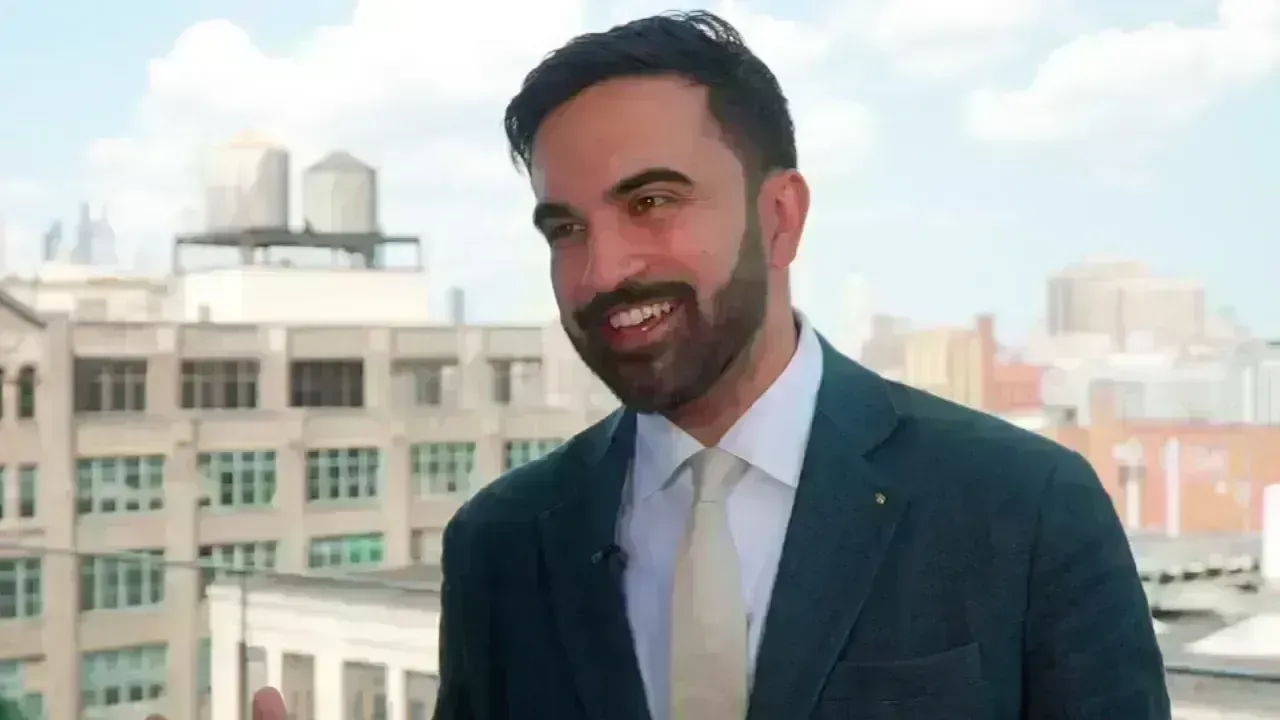
The swearing-in of New York City's first Muslim mayor signifies not just a local development but a landmark instance in the realm of global urban politics. Known for its diversity and cultural richness, New York City has long been an emblem of inclusivity. This shift at City Hall is emblematic of extensive demographic changes and increased engagement in local governance.
The ceremonial oath of office not only symbolized a change in leadership but also highlighted the journey towards a representative government reflecting its constituents.
The Importance of This Occasion
Leadership Represents Diverse Voices
For the first time in its extensive political history, New York City has embraced a mayor who identifies as Muslim. In a metropolis where residents hail from a multitude of backgrounds, this development indicates a widening acceptance of leadership that transcends established cultural norms.
This milestone not only contests age-old beliefs about electability in key Western cities but also demonstrates that personal faith no longer stands as an obstacle to public confidence when leadership resonates with the electorate.
New York's Political Landscape Over Time
Transition from Traditional Power to Inclusivity
Historically, leadership in New York mirrored a narrow demographic spectrum. However, over the years, waves of immigration and civil rights movements have continuously reshaped the city’s governance.
The election of a Muslim mayor is part of a larger trend that has seen rising leaders from varied racial, ethnic, and faith backgrounds, each altering perceptions of power distribution within the city.
A Campaign Focused on Realities
Focusing on the Everyday Urban Experience
The recent mayoral campaign was underscored by critical issues facing New Yorkers—affordable housing, transportation, public safety, and economic disparity. Rather than emphasizing identity, the campaign committed to highlighting practical solutions tailored to a city recovering from the pandemic.
This strategy successfully reached diverse communities, reinforcing the idea that the victory stemmed from governance priorities, not mere symbolism.
Voter Perspectives and a Call for Change
Insights from the Election Results
The election outcomes reveal a shift in urban voter priorities. Concerns regarding rising living expenses and the demand for transparent governance played pivotal roles in public sentiment.
Many voters perceived the newly elected mayor as a pragmatic leader capable of facing complex urban challenges with both understanding and administrative capability.
A Religious Tapestry in New York
Religious Diversity in the City
New York City prides itself on being home to a richly diverse array of faiths. From Muslims to Christians, Jews to Hindus, all belief systems coexist within the city’s five boroughs.
The mayor's inauguration resonates powerfully within this diverse framework, emphasizing that civic leadership is rooted in shared values beyond individual identities.
Global Reactions to the Historic Event
International Eyes on City Hall
International media and political analysts closely monitored the inauguration, recognizing it as a significant development in the advancement of democratic representation. For many cities contending with integration issues, New York’s choice stands out as an inspiring case.
This event has sparked broader dialogues in various countries about the future of multicultural leadership.
Setting Early Policy Goals
Addressing Housing and Affordability Challenges
One primary goal of the new administration is tackling New York’s ongoing housing dilemma. With skyrocketing rents and low availability, affordable housing has surged to the forefront of the policy agenda.
The mayor's approach emphasizes collaboration with state officials, private developers, and community groups to enhance affordable housing options while safeguarding tenant rights.
Committing to Public Safety and Community Relations
Balancing Safety and Civil Liberties
Public safety continues to be a foremost concern for residents. The administration has pledged to employ data-driven strategies for policing alongside fostering community ties.
By prioritizing trust-building and accountability, the mayor aims to ensure that public safety measures are both effective and fair.
Encouraging Economic Recovery and Entrepreneurship
Support for Small Businesses
Small businesses are integral to New York’s economy, and the administration plans to offer targeted assistance to entrepreneurs, especially in areas significantly impacted by economic downturns.
Strategies will focus on reducing regulations, expanding funding opportunities, and promoting innovation across various sectors.
Addressing Climate Challenges
Planning for a Sustainable Future
A key focus will be on climate resilience. With increasing environmental threats, strategies such as coastal protection and green infrastructure will be essential in the city's long-term planning.
The administration aims to position sustainability as both a requirement for the environment and an opportunity for economic growth.
Symbolism in the Inaugural Address
A Unified Message
During the inaugural address, the mayor underscored themes of collective responsibility and community involvement. Rather than concentrating on personal background, the emphasis was on common obstacles and unified strategies.
This message reinforced that leadership in New York is shared among its residents.
Impact on Minority Representation
A Shift in Perceptions
This inauguration holds deep implications for minority groups across the U.S. Witnessing a Muslim mayor govern a major global city may inspire increased political involvement and civic contribution.
It also illustrates that democratic systems can evolve to better reflect their communities.
Anticipations and Concerns
Expecting Substantial Changes
With groundbreaking moments come elevated expectations. Critics are reminding us that this symbolism must turn into concrete results.
The administration will face rigorous examination, particularly in its initial phases, as constituents evaluate if promises yield tangible benefits.
Comparing with Other Global Metropolises
A Wider Urban Phenomenon
The evolution in New York mirrors shifts observed in other cosmopolitan centers where civic leadership increasingly reflects the multicultural character of their populations. Various cities around the globe are gradually redefining leadership in diverse contexts.
The Youth Vote's Role
A New Generational Influence
Young voters significantly influenced the election outcome. Topics like climate change, housing, and social equity resonated strongly within these groups.
The election result highlights the growing power of youth-driven political engagement in urban contexts.
Future Prospects: Challenges and Possibilities
Navigating New York's Complex Landscape
Leading New York City is a formidable challenge. The city faces economic disparities, infrastructural demands, and social dynamics that require strategic decision-making.
The administration’s ability to succeed will hinge on forging alliances, ensuring transparent governance, and adapting to changing circumstances.
A Defining Moment in Civic Identity
The inauguration of New York City’s first Muslim mayor transcends mere political news. It signifies a transformation in civic identity for one of the world’s foremost cities. With an emphasis on policies rooted in competence and inclusion, New Yorkers are clearly articulating their vision for what’s ahead.
As this new era unfolds, the city illustrates its resilience and inclination toward continued evolution, steadfast in its core values of opportunity and diversity.
Disclaimer
This article is provided for informational and editorial purposes only. Political changes, policy shifts, and public responses may develop over time. Readers should refer to official statements and reputable news platforms for the latest updates.


 English