Post by : Anis
Al-Rashid
The Revival of Vintage Fashion
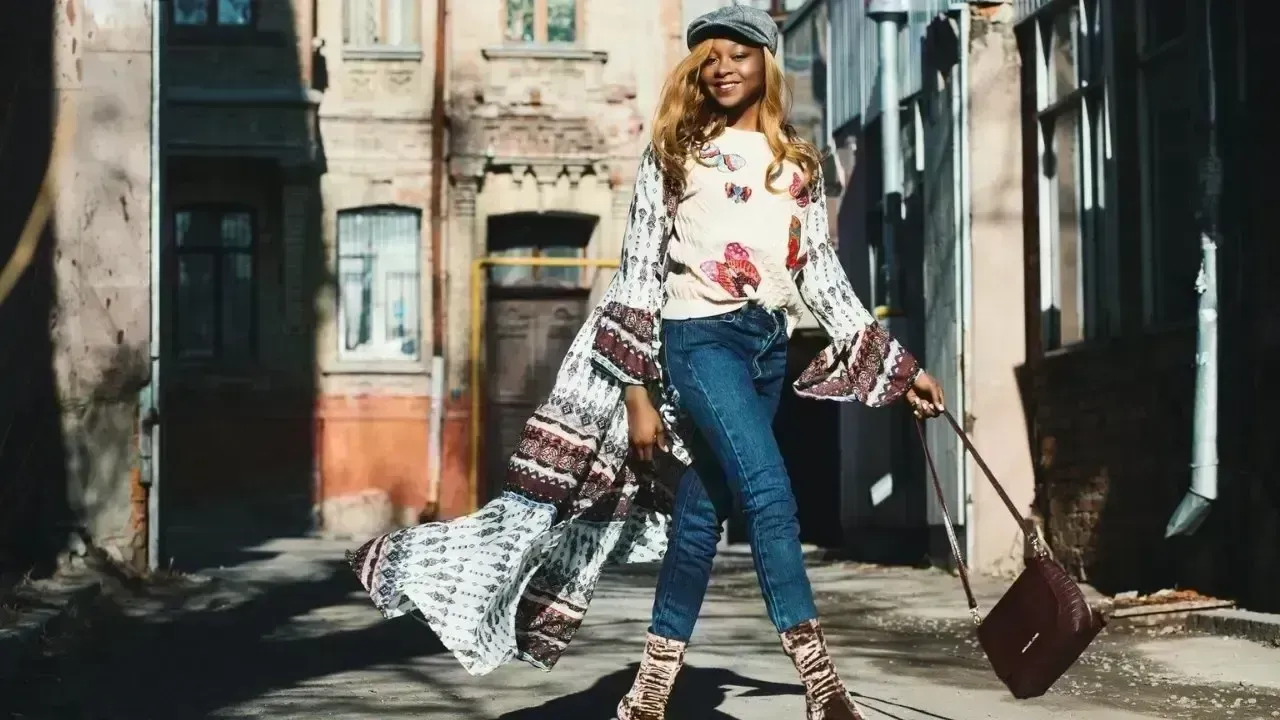
Fashion trends often cycle, but the recent resurgence of vintage looks is marked by an unprecedented acceptance. Styles that were once relegated to the back of closets have surfaced prominently, symbolizing personal expression, rebellion, and comfort.
In 2026, the trending throwback spans multiple eras, incorporating influences from the late '90s, early 2000s, and early 2010s. From low-rise jeans and cropped tops to oversized sunglasses and cargo pants, what was once considered outdated has found new life in modern fashion.
This phenomenon is no mere coincidence. It mirrors significant cultural shifts fueled by nostalgia, digital engagement, and a collective quest for authenticity in an increasingly curated environment.
Why the Throwback Trend Gains Traction
Though nostalgia isn't new, the speed and breadth of this revival is notable. In mere months, once niche trends gained mainstream traction, embraced not just by influencers and celebrities but also by the everyday consumer.
Unlike past trends that were filtered through high-fashion lenses, today’s throwbacks emerged organically on social media, allowing individuals to explore and remix past styles freely.
What began as a playful curiosity has transformed into a powerful cultural movement.
Cultural Influences Behind This Resurgence
Nostalgia Without Boundaries
The late '90s and early 2000s are revered as periods of unfiltered expression and creativity, free from the digital constraints of today. This era resonates with both those who experienced it and a younger generation eager for playful, authentic self-expression.
Social Media's Role in the Trend
The Digital Resurgence of Past Styles
Social media didn't just amplify the revival; it catalyzed it. Users began:
Recreating nostalgic outfits
Thrifting vintage finds
Mixing old styles with contemporary flair
Sharing transformation journeys in fashion
With algorithms favoring relatable content, the rediscovery of past trends flourished, spearheaded by the creativity of everyday users.
The Power of Generations
Generation Z is playing a pivotal role in this revival, purposefully embracing throwback styles.
For them:
Fashion embodies identity, not merely status.
Trends should be reimagined, not simply followed.
Second-hand and vintage items carry cultural significance.
By adopting nostalgic looks, Gen Z disrupts traditional fashion boundaries.
Sustaining the Trend Among Millennials
While Gen Z sparks the nostalgia, millennials keep it alive.
For this generation, throwback fashion evokes:
Memories of youth and early adulthood
Connections to music, movies, and culture
Emotional comfort during challenging times
This shared nostalgia across age groups aims to foster an enduring resonance with their styles.
Core Elements of the Trend
Denim's Resurgence
Denim stands at the forefront of this throwback, with styles such as:
A shift towards comfort over formality marks a broader trend within fashion.
Logo Mania Returns
The era of minimalism has yielded to bold graphics, striking logos, and expression through fashion. These elements serve as powerful cultural markers.
The Authenticity Factor in 2026
In a world filled with heavily curated fashion, the throwback styles offer relief through individuality:
This nostalgic wave feels like a return to self amidst stringent beauty standards.
Cultural Recycling: A Global Perspective
The trend isn’t confined to one region, but spans globally, influenced by local styles and cultures. Each area brings its own essence into the mix, making this a vibrant, representative phenomenon.
Designers React to the Movement
Interestingly, designers have adapted to this resurgence rather than leading it. As vintage styles permeate mainstream fashion, designers have shifted their collections to mirror existing popular trends.
Psychological Appeal of Vintage Fashion
In uncertain times, people gravitate toward familiar styles, finding comfort in what they recognize:
Recognizable attire becomes a grounding presence in a world filled with unpredictability.
Rethinking ‘Trendy’ in 2026
Today, trends aren’t about novelty; they're about remixing what already exists:
Fashion becomes democratized, centering on creativity rather than consumerism.
Looking Ahead: The Future of Fashion
The emergence of the throwback trend indicates that future cycles will likely focus on recycling styles rather than inventing new ones, prioritizing narratives over trends in mass production.
Adopting the Throwback Trend Wisely
Full immersion in past eras isn’t necessary. Instead, the trend invites flexibility:
Aim for a harmonious blend, not a costume.
Distinctiveness of Today’s Revival
In contrast to earlier trends steered by iconic figures, this revival is a collective experience, owned by everyday wearers, making it robust and enduring.
Final Thoughts: A Shift Towards Authenticity
The 2026 throwback fashion isn't merely a glance back; it's a pursuit of authenticity in an era of overproduction. Revisiting past styles fosters creativity and self-confidence, redefining fashion beyond mere trends.
Disclaimer:
This article serves informative and cultural analysis purposes. Fashion trends may vary by region, culture, and personal taste.


 English