Post by : Raina
Al-Fahim
The International Monetary Fund (IMF) Executive Board has approved a $1.2 billion disbursement under the Extended Fund Facility (EFF) and the climate-focused Resilience and Sustainability Facility (RSF) for Pakistan, as confirmed by the State Bank of Pakistan (SBP) on Thursday. This amount will appear in the SBP's foreign exchange reserves for the week ending December 12, 2025.
The IMF sanctioned this loan package on December 8, 2025, following a review of Pakistan's reform program under the EFF and RSF. Such financial assistance is essential for maintaining macroeconomic stability while also fostering growth and climate resilience in the country.
Nigel Clarke, the Acting Chair of the IMF, noted that Pakistan's dedication to implementing EFF reforms has been vital for sustaining macroeconomic stability amid various domestic and global challenges. He pointed out the acceleration in real GDP growth, stable inflation expectations, and the gradual reduction of fiscal and external imbalances. Clarke urged Pakistan to persist with sensible policies to enhance economic steadiness while pushing forward reforms needed for private sector-driven growth.
He praised Pakistan's commitment to meeting the FY2026 primary balance objectives while addressing immediate relief needs from recent floods. Clarke indicated that simplifying tax policies and broadening the tax base would be critical for achieving fiscal sustainability and facilitating climate resilience, social protection, and public investment. He also emphasized that a tight monetary policy has been key to managing inflation within SBP's target range, and enhancing communication from the central bank would support effective monetary strategies and exchange rate flexibility.
Moreover, the IMF called on Pakistan to enforce robust financial regulations to ensure a sound and capitalized financial sector while encouraging the development of capital markets for public and private financing. Structural reforms are crucial for unleashing growth potential, attracting significant private investment, and enhancing governance. The recent release of the Governance and Corruption Diagnostic report was acknowledged as a positive move towards governance reforms, with further emphasis on state-owned enterprises (SOEs) governance and privatization to improve the business climate and economic data accuracy.
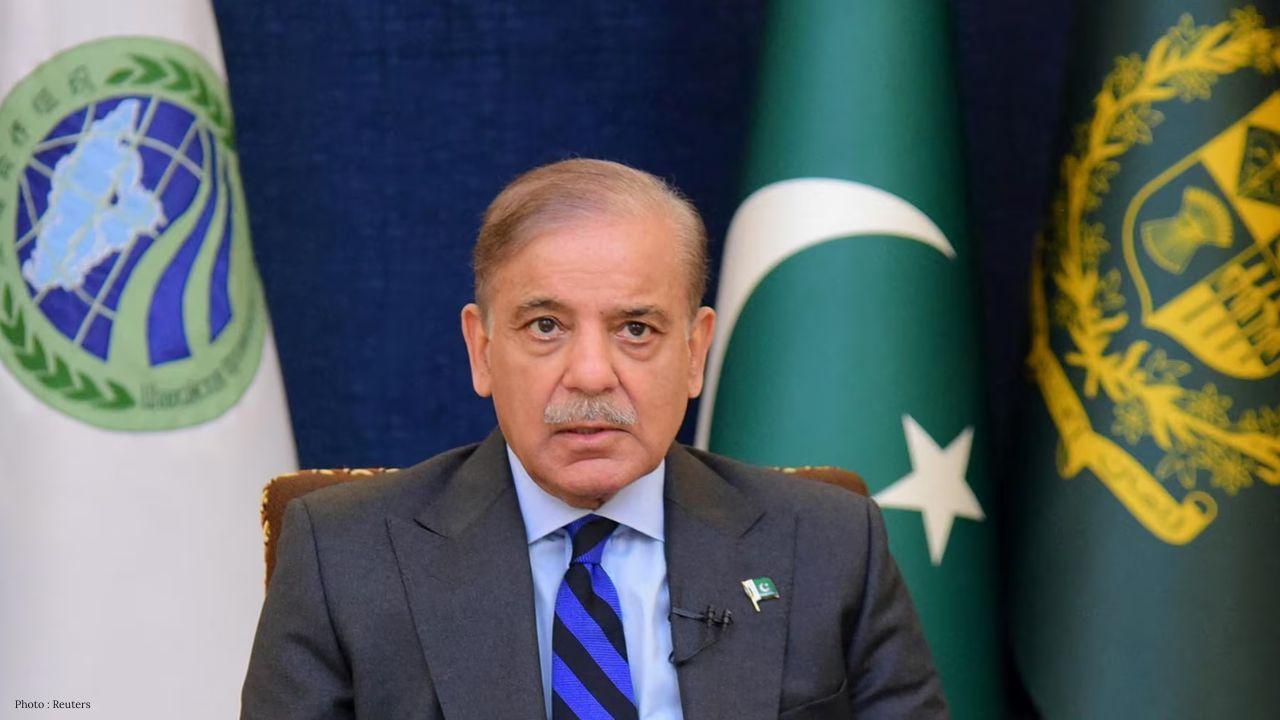
Prime Minister Shehbaz Sharif welcomed the IMF’s financial support, viewing it as a testament to Pakistan's advancement in key economic reforms aimed at ensuring stability and growth. He highlighted the IMF’s recognition of Finance Minister Muhammad Aurangzeb and his team’s efforts to drive the economy forward.
This $1.2 billion funding from the IMF is anticipated to enhance Pakistan’s foreign reserves, boost investor confidence, and provide essential resources for maintaining macroeconomic stability while supporting necessary reforms for sustainable economic growth in the future.


 English