Post by : Mikhael
Al-Saeed
Effective Strategies to Combat PCOS-Related Hair Loss: Dietary and Supplement Insights
Polycystic Ovary Syndrome (PCOS) is a prevalent hormonal disorder impacting many women, leading to various symptoms including distressing hair loss. Those with PCOS often face thinning hair or increased shedding due to hormonal variations, particularly elevated androgen levels. While medications are frequently prescribed for managing PCOS, natural solutions can also effectively address hair thinning and foster thicker, healthier tresses.
This article delves into natural approaches such as dietary shifts, supplements, and practical hair care strategies aimed at alleviating the hair loss linked to PCOS. Implementing these lifestyle changes can help balance hormones and nourish hair, promoting overall hair vitality and restoration.
1. Nourishing Diet for Hair Health
Adopting a nutritious diet is crucial in managing PCOS and enhancing hair growth. Focus on foods that balance hormones, boost insulin sensitivity, and reduce inflammation to support hair vitality.
Why it matters:
PCOS often correlates with insulin resistance, leading to elevated insulin levels and hormone imbalances. A diet rich in beneficial nutrients can help regulate blood sugar and balance hormones critical for hair wellness.
Recommended Foods:
-
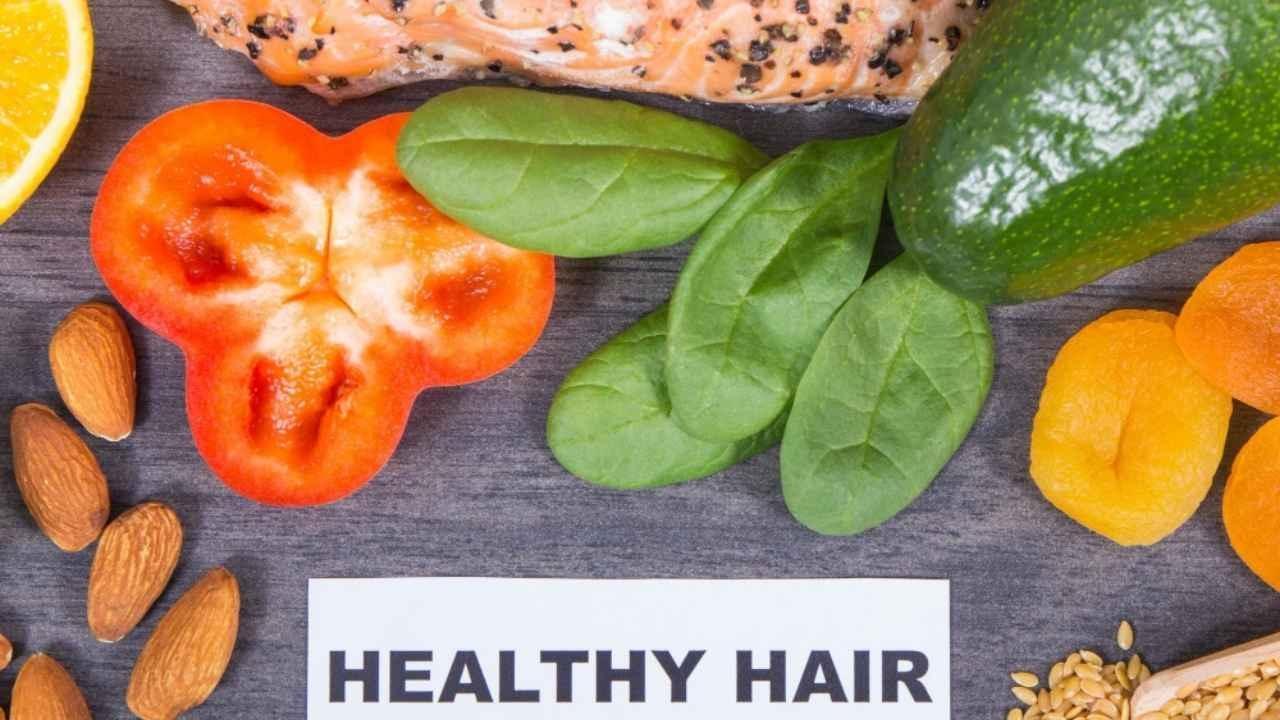
Whole Grains: Including quinoa, oats, and brown rice, which provide fiber that aids in blood sugar regulation, addressing insulin resistance.
-
Leafy Greens: Vegetables such as spinach, kale, and broccoli, packed with vital nutrients like iron and magnesium necessary for healthy hair development.
-
Lean Proteins: Sources like chicken, fish, tofu, and legumes are essential for creating hair follicles and promoting general hair growth.
-
Healthy Fats: Foods like avocados, nuts, and olive oil contain omega-3s that enhance hair texture and nourish the scalp.
Foods to Limit:
2. Supplements for Enhanced Hair Growth
In conjunction with a balanced diet, certain supplements can provide your hair with essential nutrients needed for hormone regulation, follicle health, and hair growth. Always consult a healthcare professional before introducing new supplements.
Effective Supplements for Hair Growth:
-
Biotin: Popularly known for its hair growth benefits, biotin strengthens follicles and aids in keratin production.
-
Why it’s beneficial: Biotin improves follicle strength, enhances thickness, and decreases shedding.
-
Recommended intake: Generally available in various forms, biotin's suggested dosage ranges from 2,500 to 5,000 mcg daily; consulting your doctor is recommended.
-
Vitamin D: Often linked to hair thinning, a deficit in vitamin D may hinder hair growth by keeping follicles dormant.
-
Benefits: It fosters the activation of dormant hair follicles, promoting new growth.
-
Suggested intake: Typically, adults require 600-800 IU daily, although testing levels through blood work may suggest higher needs.
3. Herbs for Hair Restoration
Numerous herbs have properties that can effectively reduce hair loss and stimulate regrowth. These gentle, safe, and consistent natural remedies are well worth exploring.
Herbal Solutions Worth Considering:
-
Ashwagandha: This adaptogenic herb is known for lowering cortisol (the stress hormone), which when elevated, can spur hair loss.
-
Mechanism: It reduces stress and helps stabilize hormones, fostering hair regrowth and alleviating PCOS symptoms.
-
Usage: Available in powder or capsule form; the usual dosage is 300-500 mg taken twice daily.
-
Fenugreek: Enriched with iron and proteins, fenugreek can nourish hair follicles, combating hair loss.
-
Benefit: Enhances scalp health and fortifies hair follicles to minimize further loss.
-
How to apply: Soak seeds overnight, blend into a paste, and apply for 30 minutes before washing off; alternatives include capsules.
-
Rosemary Oil: Proven to enhance circulation to the scalp, rosemary oil can stimulate hair growth.
4. Preventing Hair Damage Through Gentle Care
Limiting hair damage is essential for managing loss and fostering healthy hair growth. Incorrect hair care practices can exacerbate PCOS-related thinning.
Essential Hair Care Tips:
-
Use Lukewarm Water: Hot water can strip natural oils, leading to dryness. Opt for lukewarm instead.
-
Avoid Tight Hairstyles: Styles like tight ponytails can stress follicles. Choose looser options to lessen strain.
-
Utilize a Wide-Toothed Comb: To minimize breaking, gently detangle with a wide-toothed option, especially when hair is wet.
5. Staying Hydrated and Managing Stress
Maintaining hydration and effective stress management are crucial for nurturing healthy hair. Dehydration can cause brittleness, while stress can worsen loss.
Stress Management Techniques:
-
Practice Yoga and Meditation: Incorporating these practices can lower cortisol and alleviate stress, promoting healthier hair.
-
Stay Active: Regular exercise enhances circulation, fostering hair growth while reducing stress.
-
Stay Hydrated: Consuming ample water daily supports scalp health and hair vitality.
While dealing with PCOS-related hair loss can be frustrating, it doesn’t have to be permanent. By making dietary adjustments, incorporating suitable supplements and herbal remedies, and following good hair care practices, you can encourage healthy hair growth and tackle thinning effectively. Consistency in these natural approaches, complemented by hydration and stress management, can lead to noticeable improvements in your hair and your confidence over time.
Disclaimer
This article is meant for informational purposes only and should not replace professional medical advice. It's crucial to consult a qualified healthcare provider or nutritionist before making significant dietary changes or beginning new supplements, especially if you have conditions like PCOS. Effectiveness may vary based on individual health and lifestyle factors.


 English