Post by : Mariam
Al-Faris
Switzerland’s Gries Glacier, a 5.4-kilometre-long ice formation in the southern canton of Valais, is melting at an alarming speed. According to the Swiss glacier monitoring service, GLAMOS, the glacier is “dying.” Matthias Huss, Director of GLAMOS, reported that the ice depth decreased by six metres between September 2024 and September 2025 alone.
This rapid retreat highlights the severe impact of climate change on glaciers, which serve as important sources of freshwater and are vital for local ecosystems. Scientists are closely monitoring Gries Glacier as a key indicator of how global warming affects ice masses worldwide.
Historical Ice Loss
The Gries Glacier has been shrinking steadily over the past decades. Between 2000 and 2023, it shortened by 800 metres. Compared to its size in 1880, the glacier is now 3.2 kilometres shorter, with an average ice thickness of just 57 metres.
This dramatic reduction demonstrates how climate change has accelerated ice loss in the Alps. Scientists warn that continued melting could have serious consequences for the environment, local communities, and tourism in the region.
Recent Glacier Collapse
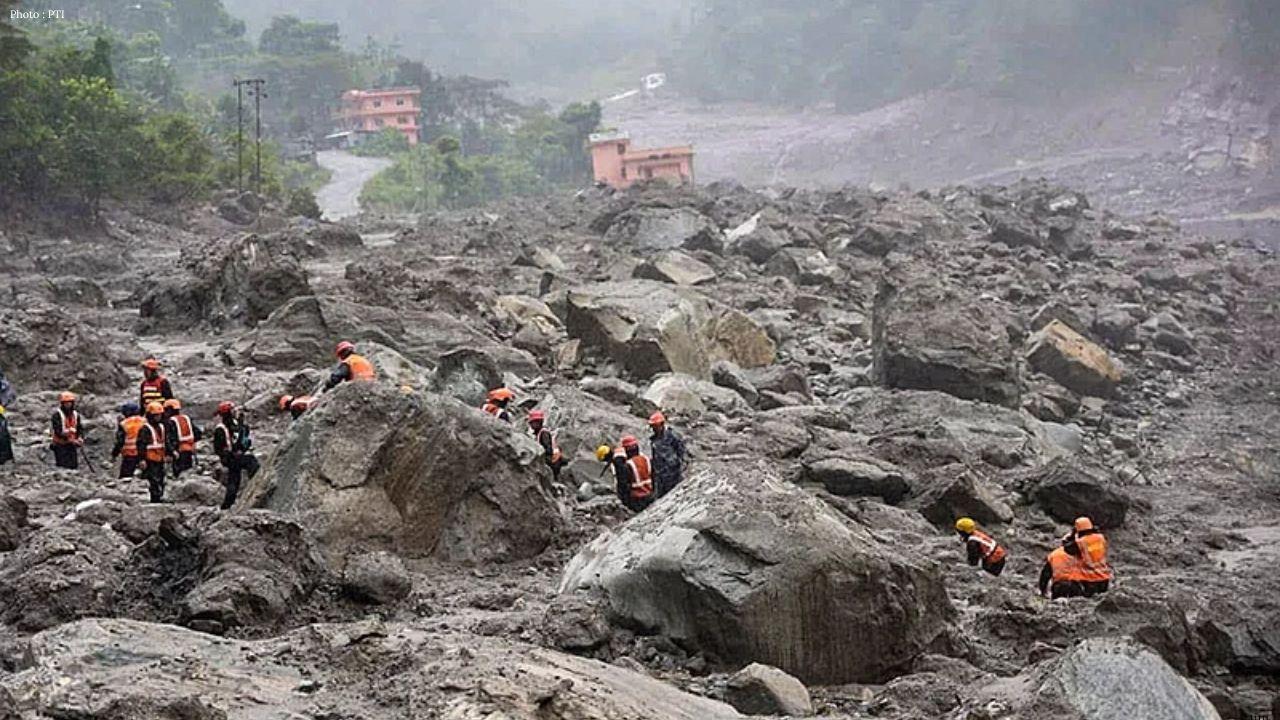
The risks of glacier melting became tragically clear in May 2025 when a glacier collapse destroyed the village of Blatten, also located in Valais. Events like this show that melting glaciers are not only environmental concerns but also serious hazards for people living nearby.
Huss emphasized that consecutive dry years in 2022 and 2023, combined with an exceptionally warm summer in 2025, were the main reasons for the glacier’s rapid retreat. Heavy snowfall in mid-April 2025 provided only temporary relief and was insufficient to counteract the effects of hot summer temperatures.
Future Predictions
GLAMOS experts estimate that the lower parts of Gries Glacier could completely disappear within five years if current trends continue. Higher sections, around 3,000 metres above sea level, are expected to last 40–50 years before vanishing.
This projection underscores the urgent need for global climate action. Preserving glaciers is essential to maintain natural water supplies, protect biodiversity, and reduce the risk of natural disasters caused by melting ice.
Glacier Loss Across Switzerland
Switzerland has already lost about 100 glaciers between 2016 and 2022, according to GLAMOS. Ice loss has been increasing since the 1990s due to stronger summer melting caused by rising global temperatures.
The World Meteorological Organisation reports that ice loss is occurring in nearly all glaciated regions around the world. For the third consecutive year, every region with glaciers has shown significant melting, highlighting a global crisis caused by climate change.
Global Impact and Urgent Action
Glacier melt has serious consequences for both the environment and human life. It affects freshwater availability, increases the risk of floods and landslides, and threatens ecosystems that rely on glacier-fed rivers. Rapid ice loss also serves as a warning for future climate challenges.
Experts emphasize that urgent measures are needed to limit global warming and protect remaining glaciers. Reducing carbon emissions, increasing environmental awareness, and monitoring glaciers closely are all essential steps to slow down ice loss and prevent future disasters.
The Gries Glacier in Switzerland is melting at an unprecedented rate due to consecutive warm summers and climate change. Lower areas may disappear within five years, while higher sections could vanish in the next 40–50 years. Scientists stress that immediate global action is necessary to protect glaciers and preserve the environment for future generations.


 English