Post by : Saif
Al-Najjar
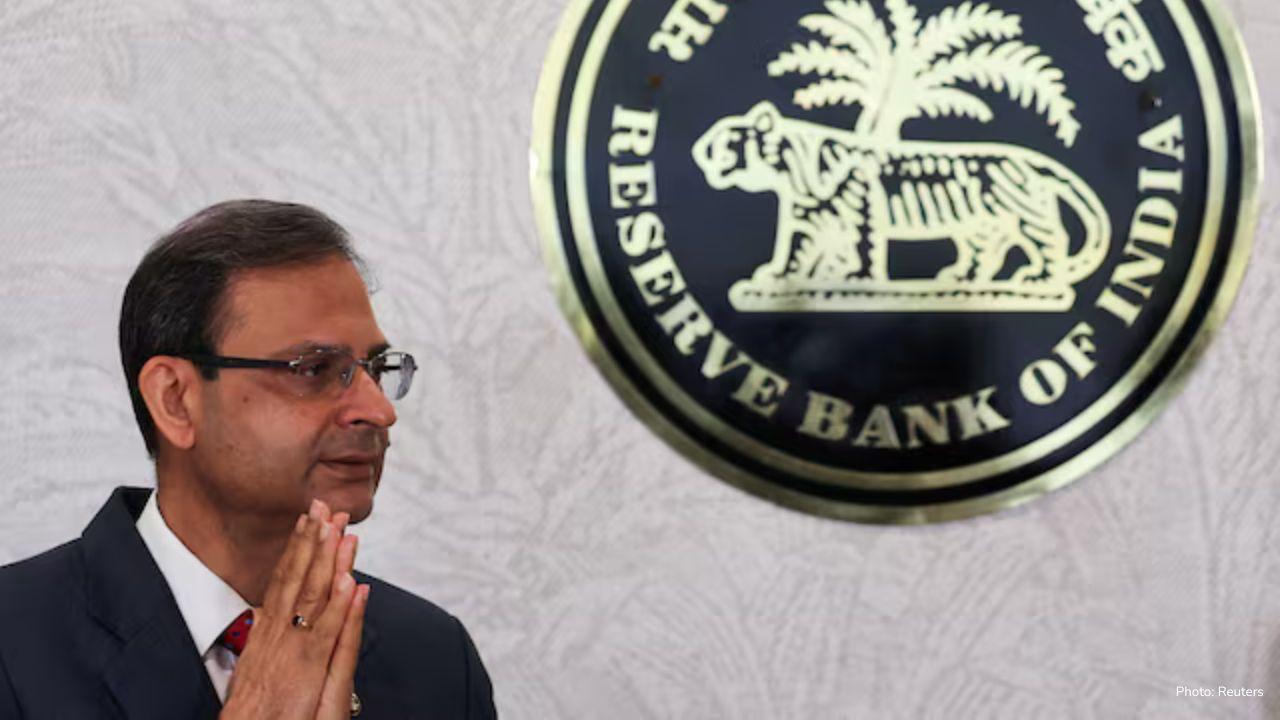
The Reserve Bank of India (RBI) has decided not to change its main lending rate, known as the repo rate, keeping it steady at 5.5%. This move was expected by most experts and shows that the central bank wants to wait and watch before making its next big step.
The RBI had already cut rates earlier this year by a total of 1%, and also the government has reduced some taxes on consumer goods. These actions were meant to boost demand and support growth in the economy. Now the RBI wants to see how these steps affect people, businesses, and the country before making any further moves.
Why RBI Chose to Wait
RBI Governor Sanjay Malhotra explained that the decision was taken because many changes are already happening in the economy. Lower interest rates and recent tax cuts are expected to help people spend more and support local businesses. At the same time, India is facing challenges from the outside world.
One of the biggest problems comes from the trade tariffs that the United States has put on Indian goods. These tariffs will make Indian exports more costly abroad and could slow down industries that depend on overseas markets. Because of this mixed situation, the RBI believes it is better to stay patient for now.
Signs of Strength in the Economy
Even with global trade tensions, India’s economy is showing signs of strength. The RBI raised its growth forecast for the year from 6.5% to 6.8%, showing more confidence in India’s future.
The economy grew 7.8% in the April to June quarter compared to last year, which was stronger than many experts had expected. This growth was powered by rising demand, stronger investment, and steady services.
Inflation Under Control
Another positive factor is inflation, which measures how fast prices of goods and services rise. The RBI now expects inflation for the financial year to be 2.6%, lower than its earlier forecast of 3.1%.
This means that, for now, the prices of daily items are not rising too fast. In August, inflation was 2.07%, close to the lower end of the RBI’s comfort zone of 2% to 6%. Food prices went up a little, but overall inflation stayed under control.
Lower inflation gives the RBI room to cut rates later if needed, but it wants to be cautious and not act too quickly.
Impact on Markets
After the announcement, India’s 10-year bond yield went up slightly, showing that investors were adjusting their expectations. The rupee also became a little stronger, and stock markets reacted positively, showing that confidence remains high.
Financial markets were not surprised by the RBI’s decision, since most traders and economists had predicted no change this time.
What This Means for the Common Citizen
For ordinary people, this decision means that loan rates for homes, cars, or personal needs may not fall further right now. But since rates were cut earlier this year, borrowing costs are still lower compared to the past.
At the same time, stable inflation means household budgets will not face much extra pressure from rising prices. If growth remains strong and inflation stays under control, it could create more jobs and raise incomes in the coming months.
Patience Is the Right Path
The RBI’s decision to pause is a smart step. In a world where global trade is uncertain and big powers like the U.S. are raising tariffs, rushing into more rate cuts could backfire.
India is in a unique position. Growth is strong, inflation is low, and domestic demand is rising because of tax cuts. The central bank is right to give these changes time to work instead of adding new risks.
For citizens, the message is clear: the Indian economy remains stable, but patience is important. Both the government and the RBI need to act with care to balance growth and inflation. If conditions worsen, there will still be space to reduce rates further.
India has shown resilience in tough times before, and with careful steps, it can continue to grow strongly while keeping prices stable.


 English