Post by : Anis
Al-Rashid
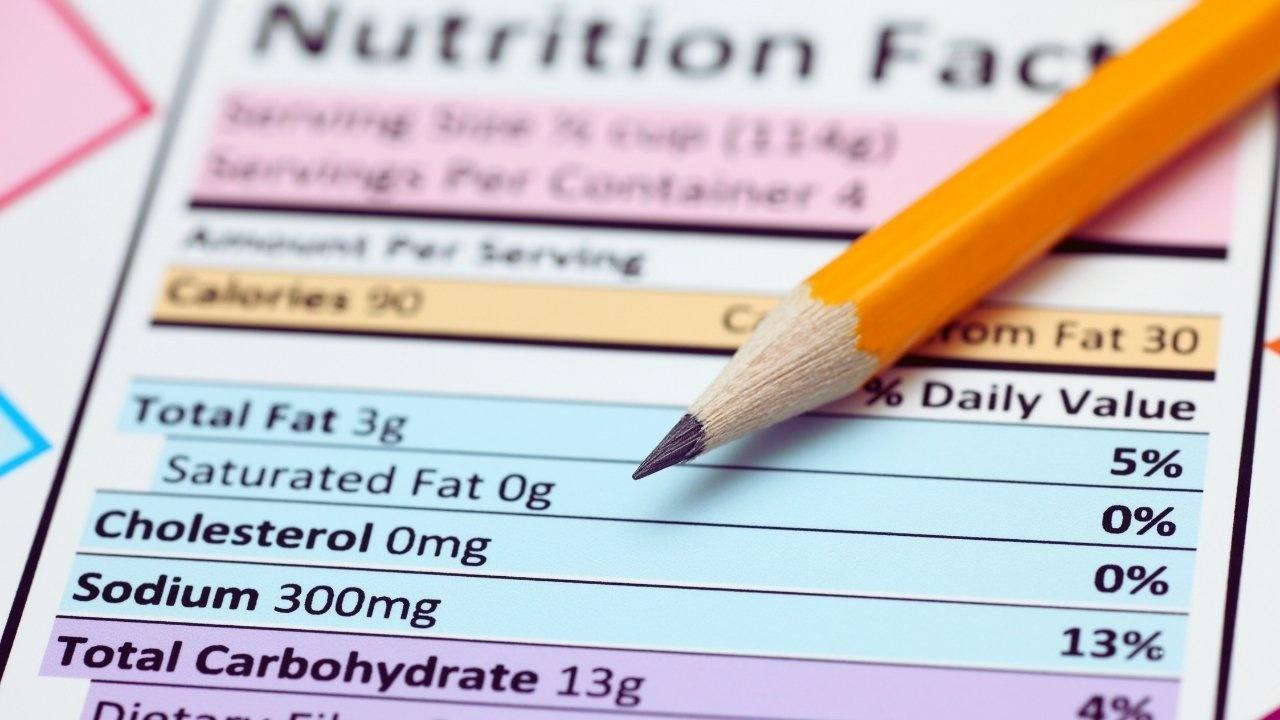
Recently introduced nutrition labels are reshaping how consumers interact with packaged foods. After years of complex nutrition panels and unclear serving sizes, the changes promise to enhance readability and understanding. By presenting crucial information like calories and nutrient content more clearly, these updates aim to empower shoppers in making informed dietary choices.
With rising public interest in health, this initiative is timely. Many consumers are increasingly examining product labels rather than relying solely on brands’ advertising. This article delves into the specifics of the label changes, consumer responses, and potential impacts on eating habits.
Rationale Behind the Nutrition-Label Changes
Experts recognize the old labels as informative but noted they were not user-friendly.
Complex Information Delivery
Previous formats overwhelmed shoppers with dense information, making it hard to glean daily values and portion sizes accurately.
Misleading Marketing Claims
Terms like “multigrain” or “sugar-free” were often misinterpreted, leading consumers to believe products were healthier.
Unrealistic Serving Sizes
Some labels listed servings that did not reflect common consumption patterns, obscuring high levels of sugars, fats, or sodium.
Difficulties in Comparing Micronutrients
Inconsistencies in vitamin and mineral displays made it challenging for consumers to assess their dietary needs.
Shift Towards Health Awareness
As interest in personalized nutrition grows, this update aims to provide clearer insights for better health choices.
The new label format is an attempt to address these issues.
Features of the New Nutrition Label
The revamped label emphasizes clarity, realistic serving sizes, and highlights essential nutrients.
Prominent Calorie Counts
Calories are now presented in a larger font, ensuring they are easily noticed.
Realistic Serving Adjustments
Serving sizes are aligned with actual eating habits, solving previous discrepancies.
Highlighted Nutritional Elements
High-impact nutrients such as added sugars and saturated fats are now more distinct.
Clearer Daily Value Indicators
Daily value percentages are simpler to interpret, helping shoppers gauge nutrient intake.
Mini Nutritional Summaries
Select brands are also offering quick-view boxes for at-a-glance nutrient information.
Consistent Micronutrient Presentation
Only necessary vitamins and minerals appear in a coherent format, minimizing confusion.
Collectively, these features foster a more intuitive labeling experience.
Impact of the Updates on Consumer Choices
Consumers are already experiencing the benefits in their shopping routines.
Increased Awareness of Sugar Content
Displaying added sugars separately is one of the most significant changes, making it easier to evaluate health claims.
Clarity in Serving Sizes
The reality-based serving sizes are helping shoppers gauge nutritional information more accurately.
Simplified Brand Comparisons
Enhanced layouts and bold fonts enable straightforward comparisons between products.
Informed Choices for Snacks
The updated labels reveal hidden sugars and sodium, prompting healthier decisions.
Trust in Brand Transparency
Consumers value labels that prioritize clarity, particularly as marketing claims are scrutinized.
Awareness of Portion Sizes
The new labels assist in maintaining appropriate portions and promoting healthier eating behaviors.
The Evolution of Packaging Design
Many brands are revamping their packaging to meet the new label standards.
Streamlined Designs
Simplified layouts facilitate faster access to nutritional information.
High-Contrast Typography
Improved font contrasts make it easier to read labels without effort.
Minimized Clutter
Companies are focusing less on promotional badges, emphasizing clarity instead.
Transparent Ingredient Lists
More products now feature clearer ingredient descriptions that align with the new labels.
Packaging is embracing an educative role beyond mere marketing.
Retailers' Adaptation to the New Labels
Supermarkets are making necessary changes to facilitate consumer understanding of the new labels.
Nutrition Shelf Tags
Some stores are installing nutrition indicators next to prices.
Dedicated Healthy Sections
Products meeting specific nutritional standards are grouped for easier selection.
Enhanced Staff Training
Retail employees are being taught to assist customers with the updated labels.
Sampling Initiatives
Some stores are highlighting healthier options that resonate with the label modifications.
These actions support the label update's objectives.
Expert Opinions on the Updates
Nutritionists largely endorse the new labeling approach.
Encouraging Mindful Eating
Experts believe this update promotes thoughtful food selection rather than impulsive purchases.
Facilitating Balanced Diets
Clearer nutrient visibility aligns the labels with modern dietary advice.
Fostering Food Literacy
Transparent labels allow all age groups to learn about healthy eating through daily choices.
Advancing Public Health
In the long term, these updates may help lower the prevalence of diet-related illnesses.
Nutritionists hope consumers will view labels as practical guidance rather than regulatory text.
Family Benefits from Clearer Labels
Families stand to gain significantly from the new nutrition-label clarity.
Streamlined Lunchbox Choices
Parents can confidently select healthier snacks for their children.
Minimized Sugars for Kids
Visibility of added sugars aids parents in avoiding hidden sugars in children's diets.
Enhanced Meal Planning
Families can create well-rounded meals by grasping nutrient content with ease.
Support for Seniors
Elderly individuals managing intake find the new labels more navigable.
Empowerment for Teens
Teens shopping independently benefit from clearer insights into their choices.
Overall, this update actively turns shopping trips into educational experiences about nutrition.
Impact on Food Manufacturers
Food brands are adjusting significantly in wake of these updates.
Pressure to Reformulate
Many companies are reconsidering recipes to lower added sugars or sodium levels.
Increased Transparency Needed
Brands are now required to present nutrient data clearly, reducing ambiguous marketing statements.
Potential Changes in Supply Chains
Manufacturers may look for new ingredients or methods to meet elevated nutritional standards.
Competitive Edge Opportunities
Some brands use the update as an opportunity to showcase cleaner ingredients.
Although the transition involves effort, it positions brands favorably for future consumer needs.
Addressing Common Misunderstandings
Misconceptions sometimes arise with major updates.
“Increased Calories Indicate Healthier Status.”
This isn’t accurate—serving sizes were adjusted to reflect real consumption patterns.
“Added Sugars Are New Components.”
Added sugars existed prior; they have just been distinctly labelled.
“Every High-Fat Product Is Unhealthy.”
Healthy fats still hold benefits, and labels elucidate types and amounts of fats.
“Lower Caloric Content Means Greater Health.”
This isn’t always true—nutritional quality is more vital than mere calorie count.
These updated labels encourage deeper understanding rather than fear regarding food.
Long-range Impacts on Community Health
The new label format is expected to deliver significant health benefits.
Enhanced Prevention of Chronic Conditions
Lower sugar and sodium intakes can mitigate risks associated with heart disease, diabetes, and obesity.
Encouragement of Balanced Diets
Greater visibility of nutrients promotes whole food consumption.
Building Food Knowledge Across Generations
Younger generations will learn better health practices from simplified labels.
Shift Towards Healthier Alternatives
As the demand for better packaging rises, manufacturers must adapt accordingly.
In tandem, these transitions support broader public health initiatives.
Maximizing Benefits of the New Labels
Compare Similar Products
Examine two comparable items to reveal substantial differences.
Prioritize Added Sugars and Sodium
These elements have significant implications for long-term health.
Review Ingredient Lists
Short, recognizable lists usually indicate higher quality products.
Look Beyond Just Calories
Nutrients such as fiber, protein, and micronutrients are also important.
Align Label Reading with Meal Goals
Whether it’s heart health, energy, or weight management, labels can aid in decision-making.
The more engaged shoppers become with the label system, the more intuitive it will be.
Final Thoughts
The revamped nutrition label represents more than just cosmetic changes—it signifies a transformative approach towards openness, empowerment, and healthier consumer choices. By simplifying servings, accentuating key nutrients, and enhancing readability, it bridges the persistent gap between packaged food information and consumer understanding.
As families adopt healthier habits and global packaged food consumption continues, this label update could steer long-term dietary choices, prompt manufacturers to prioritize clean ingredients, and support public health goals for years ahead. Ultimately, the new labels provide consumers with clarity, integrity, and the ability to make better decisions.
Disclaimer:
This article serves general informational purposes. It summarizes the recent label updates impacting packaged foods and should not be interpreted as medical or dietary advice.


 English