Post by : Anis
Al-Rashid
Healthcare is evolving beyond traditional clinics and hospitals as smart technology, driven by India’s aging demographic, increases its presence in domestic life. Smart medicine dispensers and home-health technologies are emerging as crucial components for enhancing well-being.
These tools range from automatic pill dispensers to voice-enabled reminders, smart blood pressure monitors to AI-driven fall detection systems, effectively replacing outdated methods like handwritten logs and basic pill boxes.
This innovation focuses on independence, safety, dignity, and peace of mind, ensuring that medication schedules are adhered to, vital signs monitored, and reducing the need for frequent hospital visits. Seniors find comfort, busy families get relief, and individuals with chronic conditions receive personalized support.
India's revolution in home-based healthcare is not an impending concept;
it is currently happening and expanding swiftly.
Why Smart Medicine Management Is Essential
Increasing Chronic Illness
Conditions like hypertension, diabetes, and heart disease require consistent medication and monitoring.
Neglecting doses can result in:
-
Severe spikes in blood pressure or glucose levels
-
Complicated health crises necessitating hospital visits
-
Decreased effectiveness of treatments
Technology plays a significant role in mitigating human errors.
Growing Senior Demographics
As more elderly individuals live alone or receive minimal family support, smart dispensers and health-tracking technology are vital for safe living.
Fast-Paced Urban Living
Even the most well-intentioned family members may struggle to constantly oversee medication regimes due to hectic schedules. Automation alleviates stress in caregiving.
Post-Hospital Recovery Demands
Effective home care promotes faster healing without unnecessary readmissions.
Smart Medicine Dispensers Explained
Moving Beyond Basic Pill Organizers
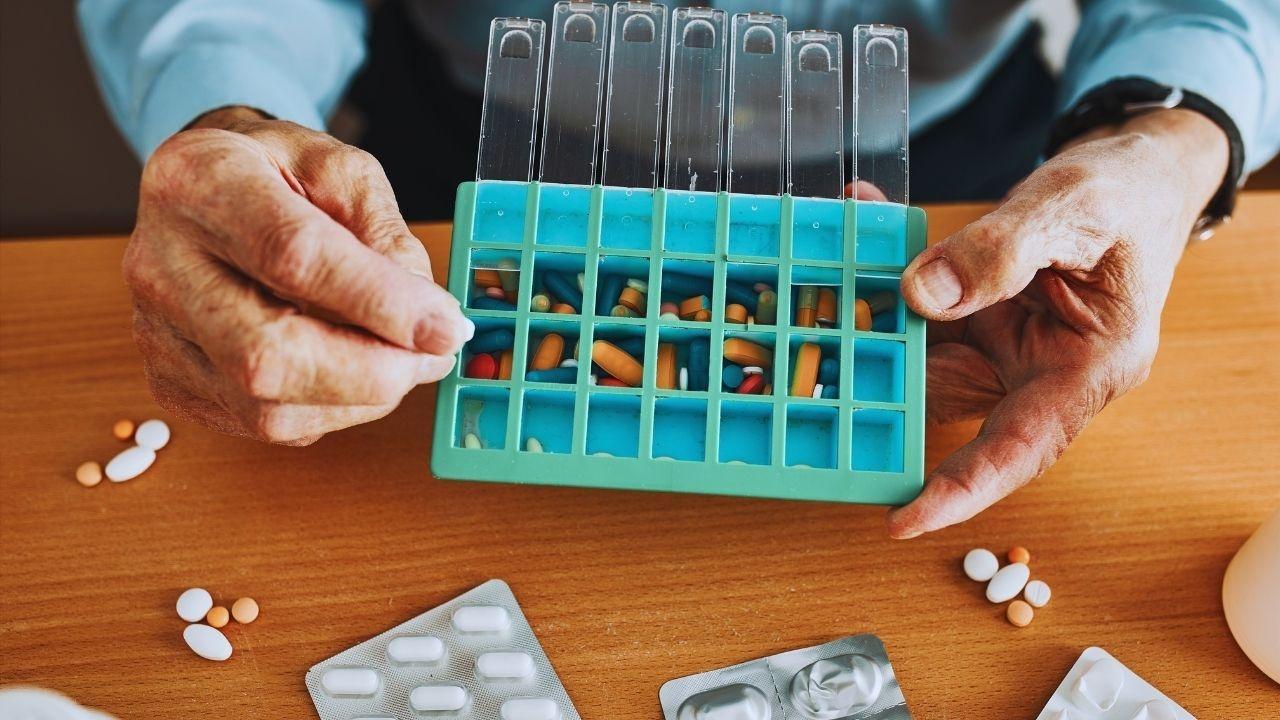
Conventional pill boxes depend on human memory, whereas smart dispensers automate medication management to reduce errors.
Essential Features
-
Pills dispensed on a schedule
-
Alerts via sound, light, or mobile notifications
-
Locks to prevent unscheduled access
-
Alerts caregivers if doses are missed
-
Multiple compartments for different medications
-
Emergency dispensing options
-
Voice assistance for elderly users
-
Notifications when refills are needed
Key Beneficiaries
-
Seniors living independently
-
Individuals with memory impairments
-
Patients with several prescriptions
-
Chronic illness patients
-
Caregivers managing various patients
-
Families supporting aging parents from a distance
These advanced devices facilitate independence while minimizing risks.
Everyday Support from Connected Health Devices
Smart Blood Pressure Monitors
Offer digital readings synchronized with apps, featuring graphs, alerts, and sharing options with healthcare providers.
Smart Glucometers
Provide continuous glucose monitoring for diabetes, allowing for trend analysis instead of isolated snapshots.
Pulse Oximeters and ECG Devices
Critical for heart and respiratory health—early detection can save lives.
Smart Thermometers
Monitor fever patterns, ideal for children and ongoing health tracking.
Smart Scales for Weight and BMI
Integrate with fitness and dietary apps to help users achieve metabolic targets.
Air Quality Sensors
Crucial for asthma, allergies, and respiratory health in seniors.
Technology for Caring for Seniors
Fall Detection Devices
Smartwatches and home sensors instantaneously alert family or emergency contacts during falls.
GPS-Enabled Wearables
Essential for seniors with memory conditions, ensuring real-time tracking for safety.
Voice-Activated Assistants
Smart speakers facilitate setting medication reminders, making calls, scheduling appointments, streaming music, or checking news—no typing required.
Telehealth and Virtual Consultations
Home devices link with telehealth services for quicker diagnoses, diminishing the need for hospital visits.
Transforming Lives Through Technology
For Families
Peace of mind, reduced stress, and dependable systems for when they're unable to be physically present.
For Seniors
Maintaining dignity and independence with reliable support instead of constant oversight.
For Chronic Patients
Proactive health management becomes achievable.
For Healthcare Systems
Lighter burdens on hospitals with enhanced preventive care strategies.
This represents emotional technology—devices that genuinely care.
Smart Medication Solutions in Everyday Indian Life
Urban Residences
Professionals managing their parents' healthcare remotely can depend on these systems for consistent oversight.
Nursing Homes
Smart dispensers implement structured routines for various patients.
Rural and Semi-Urban Areas
As low-cost technologies emerge, rural populations can benefit, especially through telehealth services.
Working Parents Supporting Children
Managing asthma medications, supplements, or antibiotics becomes streamlined amid busy lives.
Future Prospects for Home Healthcare
Aging Population
A growing number of seniors will need assistance while striving to maintain their autonomy.
Nuclear Family Dynamics
Smaller households increasingly depend on tech solutions for care.
Escalating Chronic Conditions
More home-based monitoring becomes essential compared to hospital-based care.
Cost-Effective Technologies
Devices are becoming more affordable, and subscription models enhance accessibility.
Increased Health Awareness
Individuals aim to track wellness proactively rather than merely treating illness.
Obstacles to Home-Health Tech Adoption
Digital Literacy Divide
Not all seniors are adept with technology—intuitive designs and voice capabilities are vital.
Financial Constraints
Many high-quality devices remain beyond reach for numerous households, although market competition is reducing costs.
Technology Familiarization
Users require support and training to effectively trust and utilize devices.
Data Privacy Concerns
Safeguarding medical data is crucial—innovative privacy solutions must be prioritized.
Envisioning the Future of Smart Home Health Solutions
AI Health Risk Predictions
Future devices could forecast health risks before symptoms arise, enhancing preventive care.
Comprehensive Wellness Platforms
A single application to manage medication, monitor vitals, consult doctors, provide dietary suggestions, and notify families.
Home-Based Hospital Models
Bringing professional medical care into homes supported by smart devices.
Voice-Centric Healthcare
“Hey Google, remind me to take my medication.”
Wellness-Integrated Homes
Sensors in various areas at home will provide consistent monitoring for timely alerts.
Final Thoughts
Smart medicine dispensers and home-health innovations are revolutionizing caregiving. This evolution symbolizes a future where health management doesn't rest solely on hospitals but intertwines with our daily lives, within homes and alongside caregivers.
This transition is not merely about convenience; it signifies dignity, independence, empathy, and simplicity. It represents the fusion of heart and technology, tradition and progress in caregiving.
A future where our residences transform into wellness sanctuaries—capable of providing natural, secure, and enriching care. The change in home healthcare is not a vision; it is already taking place, one smart device at a time.
Disclaimer
This piece provides a general overview of home-health technology. Users are encouraged to consult healthcare specialists and assess devices according to their unique medical requirements prior to usage.


 English