Post by : Saif
Al-Najjar
Dr. Kunal Sood, a physician based in the United States, has raised concerns that the traditional Indian diet may contribute to the increasing prevalence of diabetes in India, which has one of the highest rates globally. The World Health Organisation estimates that approximately 77 million adults in the country suffer from type 2 diabetes, many of whom are unaware of their condition, exacerbating its dangers.
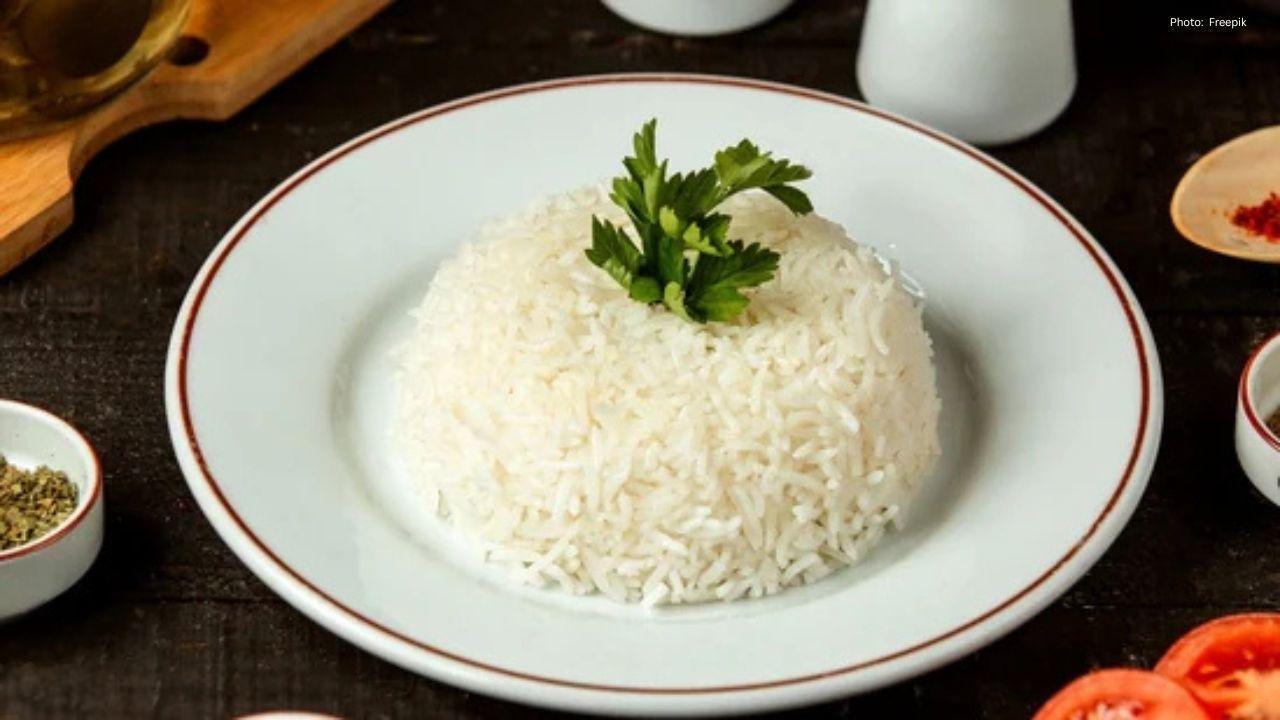
Dr. Sood noted that a typical Indian diet often consists heavily of white rice and refined wheat—foods rich in carbohydrates. He explained that for many, about 75% of daily caloric intake is derived from these carbs. The rapid digestion of these foods causes spikes in blood sugar levels, leading to a decreased effectiveness of insulin over time, which can culminate in diabetes.
Additionally, he pointed out that such dietary habits may contribute to weight gain. The swift rise in blood sugar leads to excess sugar being stored as fat. Many individuals tend to consume sweets and sugary beverages alongside their staple items, worsening the issue further.
Dr. Sood referenced a study from the Indian Council of Medical Research (ICMR) indicating that even modest adjustments in dietary choices could yield significant health benefits. Swapping just 5% of carbohydrate intake with proteins can substantially lower diabetes risk. He recommended including lentils, fish, yogurt, paneer, nuts, or chickpeas in meals, as these options digest slower and help maintain stable blood sugar levels.
He clarified that rice and wheat are not inherently “bad,” but rather that excessive consumption combined with inadequate protein and vegetable intake is problematic. Simple changes can be beneficial; for instance, replacing two full plates of rice with one smaller plate while adding a bowl of dal or buttermilk can make a difference. Starting meals with salad or sprouts is another beneficial approach.
Moreover, he urged individuals to monitor their sugar use in tea, desserts, and packaged snacks, which often contain hidden sugars.
Dr. Sood’s message was straightforward: gradual dietary modifications can improve health. Opting for healthier food choices incrementally is more manageable than overhauling one's diet completely. Regular blood sugar monitoring is also crucial for early detection of potential issues.
This guidance is applicable to individuals of all ages, promoting a balanced diet that incorporates rice or roti, dal, vegetables, and some protein to enhance health and mitigate diabetes risk.


 English