Post by : Raina
Al-Fahim
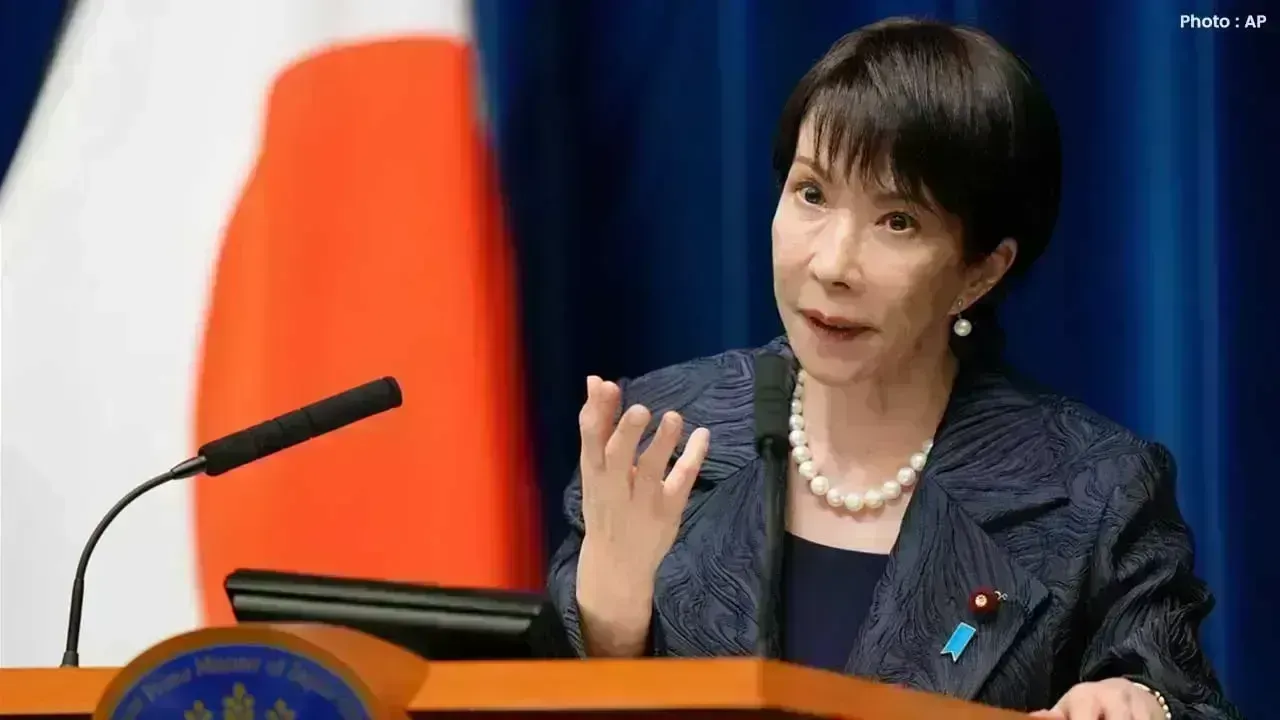
As Japan’s inaugural female prime minister, Sanae Takaichi faces a significant challenge regarding a traditional sumo practice that prohibits women from entering the dohyo, or the sumo ring. Following her historic election in October 2025, Takaichi must decide whether to confront this age-old custom while presenting the Prime Minister’s Cup during upcoming tournaments.
The imminent Kyushu Grand Sumo Tournament, concluding this Sunday, will award its champion the Prime Minister’s Cup. In previous instances, male leaders like former Prime Minister Junichiro Koizumi have entered the ring for the presentation. However, Takaichi is anticipated not to participate this time as she will return from the Group of 20 (G20) summit in South Africa only a day later, with her next chance occurring at the New Year’s tournament in Tokyo.
This prohibition against women participating in sumo rings stems from deep-rooted traditions. The Japan Sumo Association defends the ban, asserting it is not related to Shinto beliefs regarding female "impurity." Historically, the dohyo has been deemed a sacred site, exclusively reserved for males to engage in matches and rituals. While some experts trace these practices back to ancient Shinto customs, others argue they reflect a long-standing tradition of male dominance.
The controversy surrounding this issue underscores larger gender-related taboos within Japan. Women have often been excluded from specific temples, shrines, sacred mountains, and festivals, frequently due to beliefs tied to menstruation and traditional gender roles. Over time, though many of these prohibitions have been lifted, some, including in professional sumo, remain intact.
Known for her conservative views, Takaichi champions traditional gender roles. She has opposed reforms that would allow married couples to adopt separate surnames and has supported male-only succession in Japan’s imperial family. Entering the sumo ring might be perceived as a challenge to tradition, possibly alienating right-wing supporters who prioritize traditional customs.
The conversation around women in sumo has a complex history. For example, in 1978, a female bureaucrat was barred from a children’s sumo competition. In 1990, a government representative was denied entry when attempting to present the Prime Minister’s Cup. More recently, in 2018, female medical staff were expelled from the ring while performing emergency care on a mayor who collapsed, sparking public outrage and critiques of the association. Yet, the Japan Sumo Association has not amended its rules.
Experts and advocates assert that the exclusion of women from sumo rings is increasingly outdated and at odds with contemporary values. Naoko Kobayashi, a professor specializing in religion and gender, remarked that "exclusion based on male-centered traditions can no longer be rationalized in today’s society."
As Takaichi navigates this potential decision on whether to enter the sumo ring, it will draw both national and international focus, illuminating the ongoing struggle between entrenched traditions and the quest for gender equality in Japan.


 English