Post by : Saif
Al-Najjar
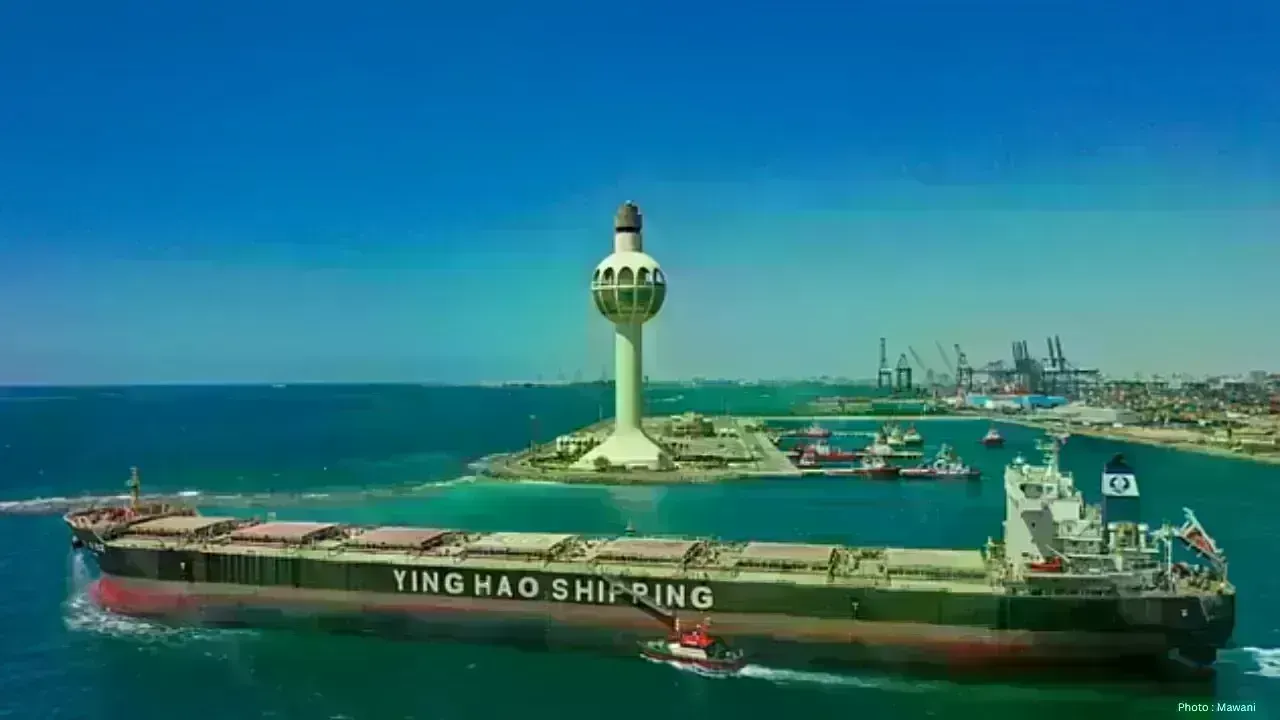
Saudi Arabia has launched a pivotal shipping route that connects Jeddah with both India and Djibouti. This initiative aims to bolster regional trade and enhance maritime connectivity, facilitating improved cargo transit and supporting economic growth across the Red Sea and Indian Ocean.
The introduction of this maritime service underscores the increasing efforts to optimize transportation networks and enhance the efficiency of global trade. As international commerce remains reliant on sea transport, nations are investing in routes that allow quicker movement of goods while reducing shipping times.
Jeddah is recognized as a vital entry point for the Kingdom, significantly influencing trading activities across Asia, Africa, and the Middle East. This new direct shipping service is anticipated to elevate the flow of goods and offer fresh opportunities for exporters, importers, and logistics stakeholders.
India continues to be a crucial trading partner for Saudi Arabia, with economic ties that have grown consistently over time, especially in sectors like energy, manufacturing, and technology. Enhanced maritime routes could further solidify these business relationships by streamlining transportation logistics.
Djibouti's strategic location near major shipping lanes positions it as an essential logistics hub linking Africa, the Middle East, and beyond. Improved access to ports in the Gulf and South Asia is expected to spur trade expansion and foster deeper economic collaboration.
Shipping pathways are integral to the global economy, as a significant percentage of international trade is conducted via sea. Reliable maritime networks facilitate the transport of goods ranging from consumer products to raw materials, leading to improved delivery times and potentially lower shipping costs.
The rollout of this service aligns with overarching strategies to enhance supply chains and bolster logistics infrastructure. Both governments and businesses are increasingly aware of the need for dependable transportation networks to fuel economic progress and attract investments.
Experts in trade maintain that enhanced maritime connections can yield benefits beyond just cargo transport, promoting industrial cooperation and increasing economic activities among the involved countries. Efficient logistics services elevate ports to key economic centers.
The Red Sea is a critically important maritime passage, essential for global trade across Europe, Asia, Africa, and the Middle East. Continued investments in maritime infrastructure affirm the necessity of maintaining functional trading routes in this fast-evolving economic landscape.
For many countries in the region, economic diversification is of utmost importance. Strengthening logistics and transportation networks can generate new growth avenues, mitigating overreliance on established sectors. Improved shipping services support these goals by fostering trade and commerce.
Industries ranging from manufacturing to logistics are set to gain from this new shipping route, which promises expedited transportation and consistent schedules, thus enhancing supply chain management and competitiveness in the global market.
This development is expected to enhance trade interactions between Asia, Africa, and the Gulf states. As economic ties expand, robust transportation infrastructure will be fundamental in facilitating goods movement and promoting regional integration.
Logistics firms and port operators are likely to embrace this new service as an opportunity to boost activity and foster stronger commercial collaborations. Successful shipping networks necessitate cooperation across various entities, including shipping companies, port authorities, customs, and transport services.
As global trade dynamics shift, infrastructure investments gain prominence. Nations aiming to enhance their role in international trade are prioritizing improvements in ports and logistics systems to ensure ongoing economic advantages.
The introduction of this Red Sea shipping route illustrates the increasing significance of connectivity in today's global trade environment. By bridging Jeddah, India, and Djibouti, this initiative is poised to amplify trade activities, enhance logistical efficiency, and deepen economic partnerships across regions. For sustainable growth and competitiveness, investments in transportation infrastructure will be vital.


 English