Post by : Anis
Al-Rashid
Listen Closely: The Quiet Signs of Heart Trouble
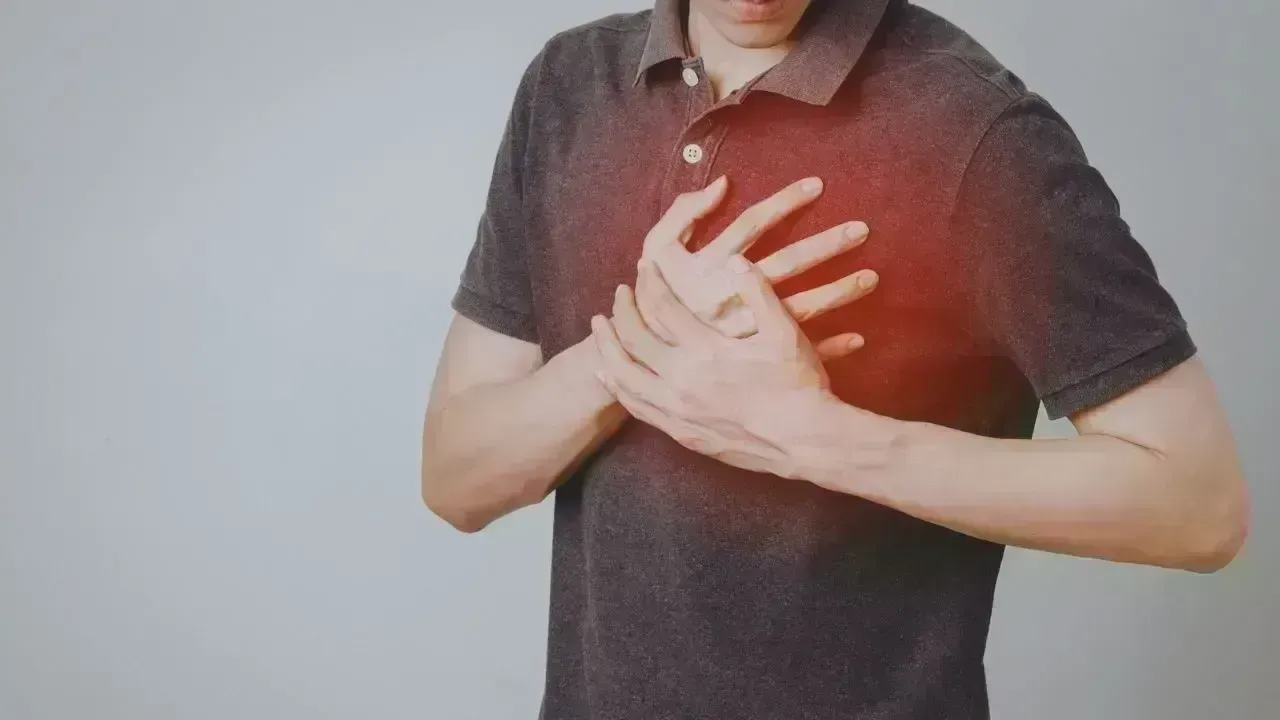
Many envision a heart attack as a dramatic scene replete with intense pain and chaos. However, most heart attacks manifest subtly, often in non-dramatic ways.
Many people ignore the soft warnings their body provides.
A little shortness of breath while walking upstairs.
An unusual tension in the jaw.
Unexplained fatigue.
Persistent indigestion.
A peculiar heaviness in the back.
These symptoms are often passed off as insignificant, attributed to stress, old age, or busyness. Unfortunately, many individuals find themselves in emergency situations later, facing severe consequences that might have been avoided.
With cardiovascular diseases being a leading global health threat, understanding these overlooked warning signs becomes crucial. This article elaborates on five common yet often disregarded signs that could indicate an imminent heart attack.
The Subtlety of Heart Attack Symptoms
No One-Size-Fits-All for Heart Attacks
Symptoms can differ based on various factors:
-
Age
-
Gender
-
Overall fitness
-
Medical history
-
Type of blockage
-
Nerve sensitivity
-
Current stress levels
For some, the pain is unbearable; for others, it’s merely a slight discomfort. This discrepancy makes recognizing heart issues all the more difficult.
The Deadly Misconception
A common myth is that:
“Heart attacks always manifest with severe chest pain.”
This isn’t true.
Some heart attacks arrive stealthily.
Others slowly evolve.
Many begin with symptoms that seem unrelated to heart health.
Not recognizing these signs early can prove fatal.
Overlooked Sign #1: Unexplained Fatigue
When Being Tired Goes Beyond Simple Fatigue
In today's hectic world, everyone experiences fatigue. But heart-related fatigue is distinct.
It can manifest:
-
Suddenly
-
Without a clear reason
-
Not relieved by rest
-
Without prior symptoms
-
In an irregular manner
It’s not the fatigue that follows a long day;
it’s a deep exhaustion that doesn’t align with daily activities.
Why the Heart Causes Exhaustion
When the heart struggles:
This is a warning from the body, interpreted as profound fatigue.
Commonly Affected Groups
-
Women
-
Older adults
-
Individuals with diabetes
-
Those who suffer from high blood pressure
-
People under chronic stress
-
Individuals with poor sleep quality
When Fatigue Signals Serious Concerns
If you notice:
-
Extreme tiredness after light activities
-
Breathlessness with minimal exertion
-
Feeling weak despite adequate sleep
-
Emotional flatness alongside your fatigue
Don't overlook these signs.
Consulting Your Healthcare Provider
-
“Could this fatigue be heart-related?”
-
“Should I have my heart examined?”
-
“Is my heart functioning efficiently?”
-
“Do I require a stress test?”
Overlooked Sign #2: Unexplained Shortness of Breath
Breathing Difficulties May Indicate Heart Issues
Breathlessness can signal:
-
Asthma
-
Infections
-
Anxiety
However, it might also reflect an underlying heart problem.
The Connection Between Heart Function and Breathlessness
When the heart struggles, it may lead to:
Your lungs may function correctly, but your heart might not be supporting them effectively.
Risks of Ignoring Breathlessness
Many mistakenly think:
“I'm just out of shape.”
“It’s merely anxiety.”
“I must be affected by pollution.”
This delay can lead to irreversible heart damage.
Key Symptoms to Monitor
-
Difficulty breathing while lying flat
-
Sudden breath difficulty when at rest
-
Relying on propping oneself up while sleeping for comfort
-
Experiencing choking sensations at night
-
Persistent dry cough while struggling to breathe
Points to discuss with your doctor
Changes in breathing can occur before pain sets in.
Overlooked Sign #3: Pain in the Jaw, Neck, or Back
Heart Pain Can Radiate Beyond the Chest
Many assume that heart pain is localized in the chest. Yet nerves associated with heart pain extend to:
-
Jaw
-
Neck
-
Throat
-
Upper back
-
Shoulders
What to Expect from Heart-Related Pain
Heart-related discomfort may include:
This pain may vary with activity or seem to come and go.
Who Might Experience Atypical Pain
The Risks of Misinterpreting Symptoms
Those uncertain of their symptoms often consult:
-
Dentists
-
Orthodontists
-
ENT specialists
This leads to delays in addressing potential heart issues.
When to Seek Help
If pain in the jaw, back, or shoulders:
-
Occurs with activity
-
Eases with rest
-
Is new and unexplained
-
Feels like pressure
-
Feels deep and internal
It warrants a thorough cardiac evaluation.
Questions for Your Healthcare Provider
-
“Could this discomfort be heart-related?”
-
“Should I undergo an ECG or treadmill test?”
-
“How should I respond if the pain recurs?”
Overlooked Sign #4: Digestive Issues, such as Indigestion or Nausea
Heart Events Can Mimic Stomach Distress
The nervous systems of the heart and stomach are interconnected.
Consequently:
-
Heart attacks can feel like acid reflux
-
Pain can be misconstrued as gas pains
-
Nausea may accompany cardiac distress
-
Vomiting may be a symptom during episodes
Women are particularly vulnerable to presenting these stomach-related symptoms during heart attacks.
Symptoms Worth Noting
-
Persistent burning discomfort
-
Pressure-like sensations rather than sharp pains
-
Nausea accompanied by cold sweats
-
Feeling full in the chest after minimal food intake
-
Constant indigestion that doesn’t respond to medication
Why This Can Mislead
People might attribute these symptoms to:
-
Unhealthy meals
-
Late-night eating
-
Acid problems
-
Spicy dishes
This misattribution can lead to critical delays.
Recognizing Serious Symptoms
If indigestion:
Seek immediate evaluation to exclude heart-related concerns.
Consulting Your Doctor
-
“Could this be a heart issue?”
-
“Should I test my cardiac enzymes?”
-
“Is my heart responsible for this discomfort?”
Overlooked Sign #5: Dizziness, Cold Sweats, and Heart Palpitations
Understanding the Nervous System's Signals
Decreased oxygen to the brain leads to:
-
Dizziness
-
Increased perspiration
-
Narrowed vision
-
Weakness
-
Irregular heartbeats
This often indicates a body under stress.
Cold Sweats Aren't Simply Temperature Responses
Cold sweating, especially when combined with:
-
Nausea
-
Anxiety
-
Discomfort in the chest
-
Breathing difficulties
Can serve as warning signs of distress.
Palpitations: A Commonly Misunderstood Signal
Many dismiss palpitations as merely:
“Oh, just a skipped beat.”
“I must be anxious.”
However, an irregular heart rate during critical moments can:
When to Seek Immediate Medical Attention
If you experience:
Promptly contact emergency services.
Consultation Points for Your Doctor
-
“Is my heart rhythm abnormal?”
-
“Should I use a Holter monitor?”
-
“Am I at risk for arrhythmias?”
The Importance of Recognizing Symptoms in Women
Distinct Heart Attack Symptoms in Women
Female patients often present with:
-
Less chest pain
-
More pronounced fatigue
-
Elevated levels of nausea
-
Increased incidences of jaw pain
-
Greater likelihood of breathlessness
Tragically, their symptoms are frequently attributed to:
-
Anxiety
-
Menopausal changes
-
Gastrointestinal issues
-
Stress levels
This can contribute to increased mortality rates.
Women need to be aware, not reassured.
Who Should Be Vigilant
Identifying High-Risk Groups
-
Individuals with diabetes
-
Smokers
-
Obese persons
-
People with a familial history of heart disease
-
Hypertensive individuals
-
Those under excessive work-related stress
-
Individuals coping with emotional stress
-
People with high cholesterol
Awareness of heart attack risk is essential.
When to Take Action
Never hesitate if you experience symptoms that:
-
Are recurrent
-
Occur during physical activity
-
Feel unusual
-
Include breathlessness
-
Involve sweating or nausea
-
Radiate throughout the body
-
Do not improve with rest
Quick action can protect your heart tissue.
The Impacts of Delay
| Stage |
Outcome |
| Prompt Recognition |
Complete recovery is achievable |
| Minor Delay |
Moderate tissue damage |
| Significant Delay |
Permanent damage is possible |
| Severe Delay |
High fatality risk |
The heart does not wait for anyone.
Essential Heart Health Tests
Fundamental Screening Procedures
Screening efforts are more manageable than emergency interventions.
Lifestyle Choices for Heart Protection
Healthy Habits for Heart Wellness
-
Daily physical activity
-
Nutritious meal choices
-
Stress reduction techniques
-
Consistent sleep patterns
-
Avoiding tobacco
-
Limit alcohol intake
-
Regular medical check-ups
-
Weight management
-
Monitoring blood pressure
Heart health isn’t predetermined; it’s shaped by lifestyle choices.
Final Thoughts: Is Your Body Trying to Communicate?
Heart attacks don’t announce themselves.
They communicate quietly through signs of fatigue, breath issues, jaw discomfort, nausea, and dizziness.
Survival is not merely about fate.
It’s about staying informed.
Preventing a heart attack requires vigilance.
Heed your body's signals.
Question any unusual symptoms.
Acknowledge discomfort.
Respond promptly.
The heart will send warnings.
Act before alarms sound.
SEO-Optimized Keywords:
Heart
Symptoms
Warning
Disclaimer:
This article serves as an educational resource and is not a substitute for professional medical guidance, diagnosis, or treatment. Symptoms can vary widely; if you experience chest pain, unexplained breath issues, faintness, or severe discomfort, seek medical help immediately.


 English