Post by : Mikhael
Al-Saeed
Amla Sabji: A Simple and Delicious Winter Superfood Recipe
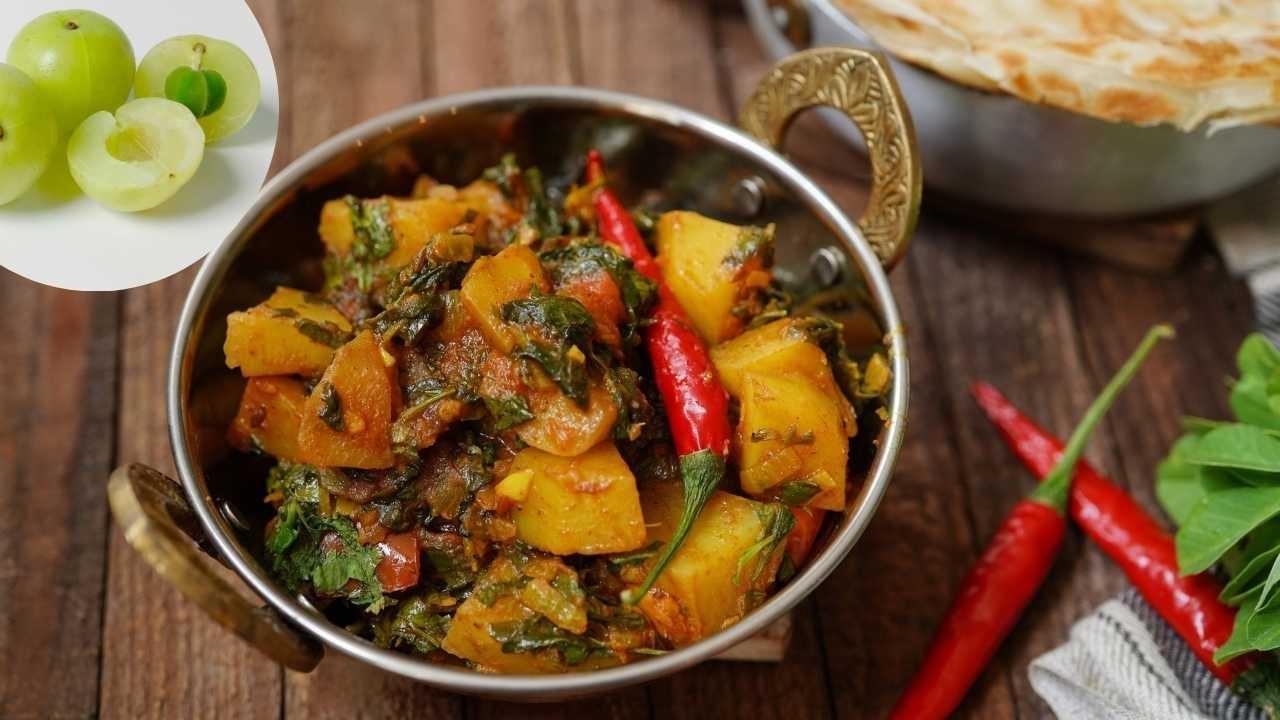
As winter settles in, we enjoy nourishing meals that bring warmth and health benefits. One standout jewel in this season’s bounty is amla (Indian gooseberry), heralded for its sharp flavor and impressive Vitamin C content. With a rich history in Indian cooking and Ayurvedic wisdom, amla is here to enhance our winters.
This miracle fruit is not only famed for boosting immunity but also for aiding digestion, improving skin quality, and making hair shiny and strong. While many enjoy amla as juice or candy, adding it to your meals through Amla Sabji is an excellent way to savor its goodness.
This traditional dish is not only quick and easy to prepare but also retains the nutrients of amla, making it an ideal winter side that complements roti, rice, or dal.
Why You Should Include Amla in Your Winter Diet
Amla is a powerhouse fruit essential for the colder months, delivering myriad health advantages.
-
Immunity Booster: Packed with Vitamin C, which is approximately 20 times more than oranges, amla helps fend off common winter ailments like colds and flu.
-
Aids Digestion: Amla supports digestion by balancing stomach acids, making it easier to digest rich meals.
-
Enhances Skin and Hair: Full of antioxidants, amla slows aging signs, imparts glow, and promotes healthy hair.
-
Detoxifies the Body: It effectively cleanses and detoxifies, leaving you feeling lighter and more energized.
-
Regulates Blood Sugar: Amla aids in improving insulin sensitivity, making it beneficial for blood sugar management.
In summary, incorporating amla into your winter meals enhances your overall wellness.
Your Simple Recipe for Amla Sabji
This vibrant sabji is not only easy to make in under 20 minutes but also tantalizes your taste buds.
Ingredients Needed:
-
10–12 fresh amlas (Indian gooseberries)
-
2 tablespoons mustard oil (or alternative cooking oil)
-
½ teaspoon mustard seeds
-
½ teaspoon cumin seeds
-
1–2 green chilies (slit)
-
1 teaspoon turmeric powder
-
1 teaspoon red chili powder (to taste)
-
1 teaspoon coriander powder
-
Salt to taste
-
A pinch of asafoetida (hing)
-
1 tablespoon jaggery or sugar (optional)
-
Fresh coriander leaves for garnish
Cooking Steps
1. Boiling Amlas
Rinse the amlas and place them in a pot of water. Boil for about 5 minutes until slightly tender. Drain and let them cool.
2. Seed Removal
Once cool, cut them into wedges and remove the seeds.
3. Heating the Oil
In a frying pan, heat mustard oil until it becomes hot, reducing the raw aroma. Lower the heat before adding spices.
4. Adding Tempering
Introduce mustard and cumin seeds to the oil. Once they pop, add the hing and green chilies.
5. Mixing Amla and Spices
Add the amla wedges followed by turmeric, red chili powder, coriander powder, and salt. Stir to coat evenly and cook on a low flame for 3–4 minutes.
6. Flavor Balancing (Optional)
If desired, add jaggery or sugar for a touch of sweetness. Mix until it dissolves into the tang of the amla.
7. Garnishing and Serving
After cooking, switch off the flame, garnish with chopped coriander, and serve warm.
Serving Suggestions for Amla Sabji
-
This dish goes wonderfully with roti, paratha, or dal-chawal.
-
Enjoy it alongside curd rice or khichdi for a nutritious meal.
-
Store any leftovers in a glass container in the fridge; it remains fresh for up to 3 days.
What Makes This Recipe Special
-
Quick Preparation: Ready in 15–20 minutes.
-
Nutrition-Rich: Keeps amla’s vital nutrients intact, especially Vitamin C.
-
Flavor Harmony: The delightful mix of tangy, spicy, and slightly sweet notes is irresistible.
-
Winter Essential: Helps combat seasonal fatigue while boosting immunity.
Recipe Variations
-
Amla and Potato Sabji: Mix in boiled potato chunks for a heartier meal.
-
South Indian Amla Curry: Incorporate curry leaves, mustard seeds, and coconut for added flavor.
-
Dry Amla Fry: Omitting boiling, quickly stir-fry raw slices for a crunchy side.
Health Benefits of Amla Sabji
-
Vitamin C Abundance: Aids in laying a strong immune defense against winter sickness.
-
Digestive Support: Promotes gut health and reduces acidity.
-
Brightens Skin: Infuses glow and alleviates dull skin.
-
Hair Growth Encouragement: Nourishes hair roots and scalp.
-
Weight Management Aid: Enhances metabolism facilitating fat burn.
Tips for the Best Amla Sabji
-
Choose fresh and firm amlas for optimal taste and texture.
-
Avoid overcooking; it diminishes Vitamin C.
-
Mustard oil delivers authentic flavor; alternatives like sesame or olive oil work too.
-
Adjust spices and sweeteners to your liking.
Healthy does not equate to bland, and Amla Sabji exemplifies this principle. Merging health with taste, this dish encompasses antioxidants and Vitamin C crucial for combating winter fatigue. Incorporate it into your meal rotation, and witness noticeable improvements in your immunity, skin, and digestion. Next time you encounter fresh amlas, opt for this easy recipe over pickles.
Warm, flavorful, and incredibly wholesome, Amla Sabji is a winter superfood you’ll cherish.
Disclaimer
This article is intended purely for informational purposes. The recipe and health insights provided are based on widely accepted dietary practices. Individual experiences may vary based on health conditions and lifestyle factors. Always seek advice from healthcare professionals prior to significant dietary changes or regular use of natural remedies.


 English