Post by : Abhinav
Rana
Photo : X / @itsmeharsh_09
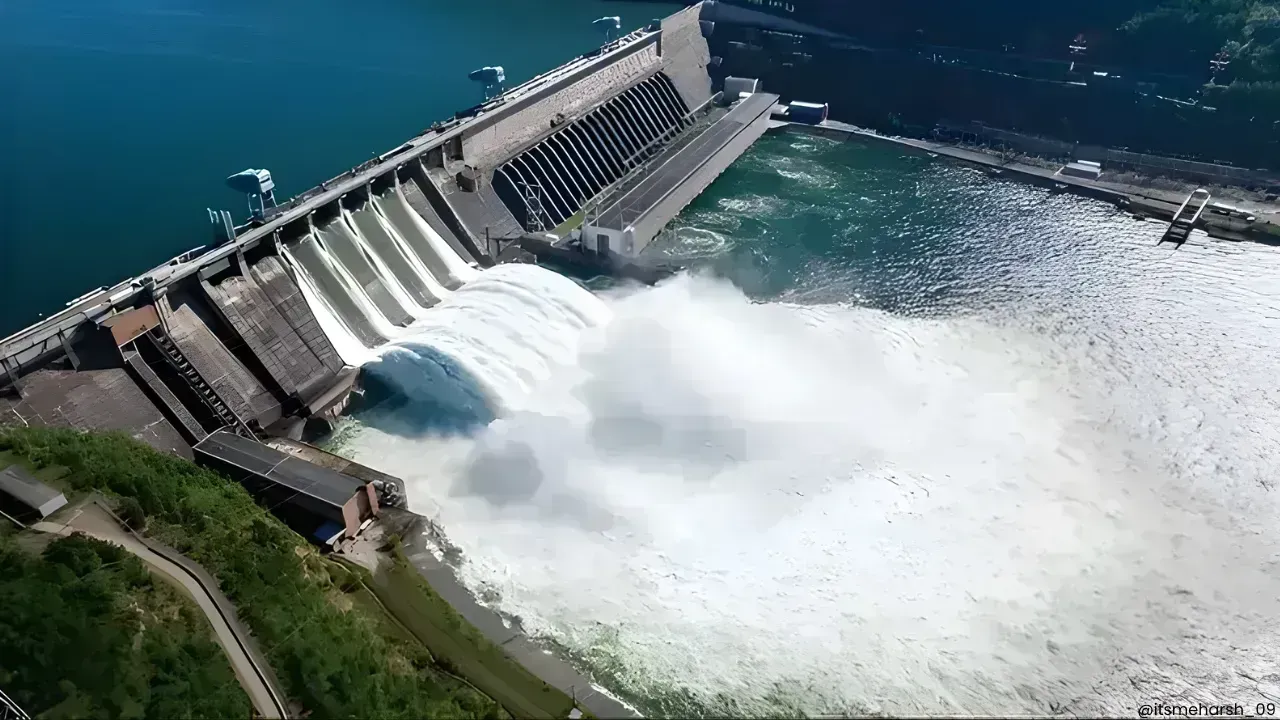
As the global energy transition accelerates, hydropower long considered a cornerstone of renewable energy is undergoing a significant transformation through the integration of smart technologies. From AI-driven analytics to automated monitoring systems, modern hydropower plants are evolving into intelligent energy hubs capable of optimising performance in real time. This shift is not just about improving efficiency; it is about redefining how energy systems operate in a world increasingly dependent on sustainability, reliability, and adaptability. Smart hydropower is now emerging as a critical enabler of greener grids, bridging the gap between traditional infrastructure and next-generation energy demands.
At the core of this transformation lies the integration of advanced technologies such as artificial intelligence, machine learning, and IoT-based sensor networks. These systems enable continuous monitoring of water flow, turbine performance, and grid demand, allowing operators to make data-driven decisions that maximise output while minimising waste. Predictive maintenance, powered by real-time data analysis, reduces downtime and extends the lifespan of critical components, ensuring that hydropower plants operate at peak efficiency. This level of precision not only enhances productivity but also significantly lowers operational costs, making hydropower more competitive in the evolving energy market.
One of the most critical advantages of smart hydropower is its ability to stabilise modern energy grids, particularly as intermittent renewable sources like solar and wind continue to expand. Unlike these variable energy sources, hydropower can be adjusted quickly to meet fluctuations in demand, acting as a balancing force within the grid. Smart systems further enhance this capability by enabling rapid response mechanisms, ensuring that power supply remains consistent even during peak demand or unexpected disruptions. This flexibility positions hydropower as a key component in achieving reliable and resilient energy systems worldwide.
Beyond operational efficiency, smart hydropower technologies are also playing a vital role in reducing the environmental impact of energy production. Advanced monitoring systems help manage water resources more effectively, minimising ecological disruption while maximising energy output. Additionally, innovations such as fish-friendly turbines and improved water flow management contribute to more sustainable operations, addressing long-standing environmental concerns associated with traditional hydropower projects. This alignment with global sustainability goals is crucial as countries strive to meet climate targets and transition toward low-carbon economies.
A significant part of the smart hydropower revolution involves modernising existing infrastructure rather than building entirely new facilities. Many hydropower plants around the world are decades old, and integrating smart technologies into these systems offers a cost-effective way to enhance performance without extensive redevelopment. Digital upgrades, including automated control systems and real-time analytics platforms, allow operators to unlock additional capacity and improve reliability, ensuring that legacy assets remain relevant in the modern energy landscape.
The adoption of smart hydropower technologies is gaining momentum across regions, driven by the need for cleaner energy and more efficient grid management. Governments and energy companies are increasingly investing in digital transformation initiatives, recognising the long-term benefits of intelligent energy systems. As global demand for electricity continues to rise, smart hydropower offers a scalable and sustainable solution capable of supporting economic growth while reducing carbon emissions.
As the world moves toward a more sustainable energy future, smart hydropower stands out as a powerful example of how traditional industries can evolve through innovation. By combining renewable energy with advanced technology, it delivers a solution that is both efficient and environmentally responsible. The question is no longer whether hydropower will remain relevant.It is how quickly it can adapt to become the backbone of tomorrow’s smart, green energy grids.


 English