Post by : Raina
Al-Fahim
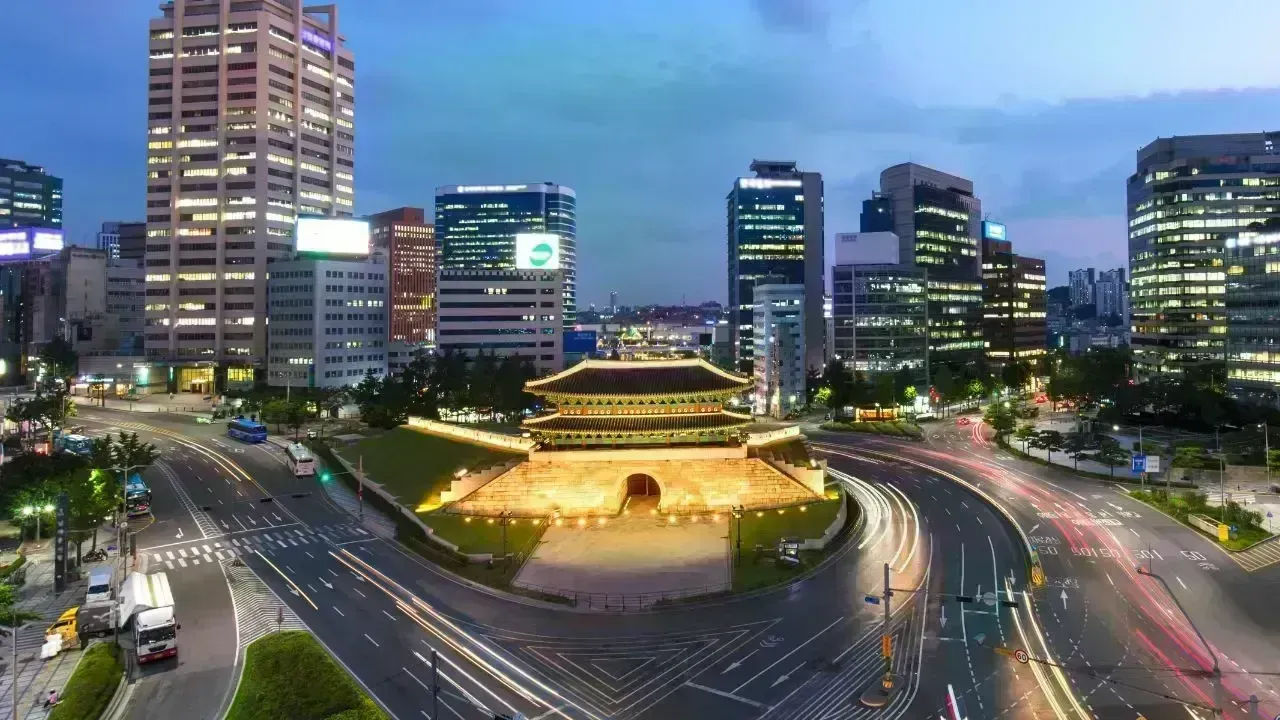
South Korea is experiencing a significant transformation in its tourism sector as millions of international travelers explore both time-honored sites and new attractions throughout the nation. Traditional favorites such as Gyeongbok Palace and N Seoul Tower remain popular, but a newfound enthusiasm for Korean beauty, cuisine, and pop culture is redefining travel dynamics as we approach 2025. Tourists are now expanding their experiences beyond Seoul’s iconic locations to discover unique cultural offerings, contributing to a remarkable surge in tourism.
The ongoing global phenomenon of K-pop, Korean dramas, and social media influence has turned ordinary places into sought-after locations. Viral moments involving notable personalities have only bolstered this trend. Anticipating this cultural rise, South Korea forecasts nearly 23 million foreign visitors by 2029, marking one of the most significant growth periods in its tourism landscape.
K-Beauty and Korean Cuisine Spark New Travel Trends
The growing appeal of Korean skincare and culinary delights is pivotal in driving tourism. At the APEC Summit in Gyeongju, high-profile appearances caught international media attention. White House Press Secretary Karoline Leavitt was filmed shopping at an Olive Young outlet, transforming the local beauty brand into a global sensation. Simultaneously, Nvidia CEO Jensen Huang's enthusiastic endorsement of Kkanbu Chicken in Seoul went viral, highlighting Korean food's charm.
Such events have spotlighted businesses like Olive Young and Kyochon Pilbang in Itaewon. Olive Young has reported a substantial increase in international shoppers, while Kyochon Pilbang acknowledges that over 80% of its patrons are foreign tourists, showcasing the burgeoning influence of Korean fashion, beauty, and culinary trends on global travel.
New Retail Venues Propel Tourist Expenditure
The tourism boom is also benefiting South Korea’s retail sector. The Hyundai Seoul in Yeouido has seen foreign sales leap from 3.3% in 2022 to over 15% by late 2025. Daiso shops in popular tourist areas like Myeong-dong and Dongdaemun have gained traction, with foreign customers making up nearly half of the sales due to budget-friendly products and trendy Korean lifestyle goods.
These shifts reflect a growing traveler inclination toward culturally significant experiences inspired by Korean media and influencers. The desire for authentic local encounters is becoming a powerful catalyst for tourism expansion in South Korea.
Visitor Numbers Rise as Global Fascination Grows
In 2024, South Korea welcomed 16.37 million foreign arrivals, a striking 48.4% increase from the previous year. The largest influx originated from China, followed by Japan, Taiwan, and the U.S. In addition to conventional tourism, segments like medical travel and MICE (meetings, incentives, conferences, and exhibitions) are on the rise, further solidifying South Korea’s diverse appeal.
The worldwide acclaim of K-pop, along with Korean fashion and beauty trends, has significantly heightened interest in the country. With strong cultural influence, the government is actively initiating new strategies to attract foreign investment and strengthen tourism infrastructure.
Challenges: Labor Shortages and Disparities in Growth
Despite its impressive growth, South Korea's tourism industry faces challenges that may hinder long-term development. A notable labor shortage has arisen within the tourism sector, making recruitment of domestic workers increasingly difficult due to limited wages and fewer long-term opportunities. This trend is evident in declining enrollment in tourism-related educational programs, with applicants plummeting from close to 45,000 in 2019 to merely 23,000 last year.
Experts suggest that relaxing restrictions on hiring foreign labor along with providing enhanced training and financial incentives could remedy this issue. Without an adequate skilled workforce, the quality of tourism services may struggle to keep pace with demand.
Further complicating matters is the uneven distribution of tourist activity across regions. While Seoul, Incheon, and Gyeonggi receive the bulk of visitors, areas like Jeju and Busan are lagging in growth. By May 2025, only 7.8% of foreign tourists had ventured outside the capital area, underscoring the need for better regional tourism development.
Predicting a Bright Future: Promising Growth Ahead
Despite these challenges, South Korea's tourism outlook looks promising. The government is expected to invest heavily in infrastructure improvements, promote new travel routes, and expand international flight connections to regional destinations. Enhancing service quality and offsetting labor shortages will be critical to preserving South Korea’s stature as a favored global travel destination.
With heightened global interest in K-culture, the nation stands to attract even more visitors in the years to come. Through the promotion of its distinctive blend of culture, beauty, cuisine, and entertainment, South Korea’s tourism sector is set for ongoing growth and increased global presence.


 English