Post by : Anis
Al-Rashid
A Generation Facing Economic Challenges
Today's students are rethinking their career journeys as they confront an unpredictable economic landscape. The narratives of stable, long-term employment have been overshadowed by news of layoffs and automation, which instills a sense of urgency and strategic thinking in education choices.
While many students previously questioned which majors to pursue, now they're evaluating the relevance of their chosen fields. This shift in mindset affects not only individual aspirations but also family dynamics and financial planning. The reassurance that good grades guarantee success is waning, and with it comes a collective anxiety about future opportunities.
This era of uncertainty is not born from indecisiveness; it is a response to a rapidly changing world.
Rethinking Scholarships
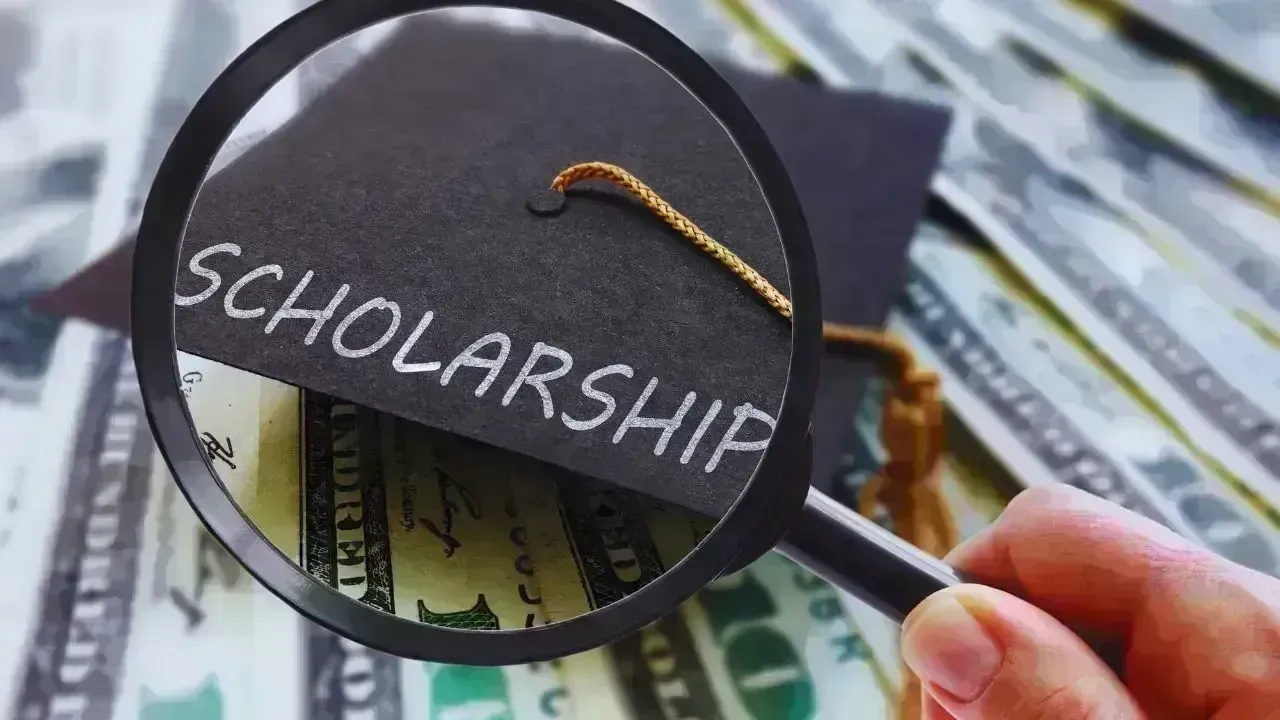
In the past, scholarships were primarily for high achievers or those in need. Now, they are perceived as essential financial lifelines. As tuition costs soar and family incomes stagnate, scholarships act as protective measures against crushing debt.
Students are actively exploring various funding routes—from merit awards to grants—and understanding that being debt-free can lead to more career flexibility and opportunities. Scholarships not only alleviate financial burdens but also grant valuable connections through networks and mentorship.
The Rise of Skills Over Degrees
While academic degrees retain importance, practical skills have become critical for survival.
Employers are looking beyond grades to assess abilities through portfolios, project work, and real-world experiences. As a result, students seek knowledge outside traditional classrooms, engaging in online learning, skill workshops, and collaborative projects.
The pace of industrial evolution often leaves academic curricula behind, compelling students to take charge of their own learning experiences, fostering self-sufficiency and adaptability.
Side-Hustles as Career Safeguards
The concept of a singular career has become obsolete. Increasingly, students regard reliance on one source of income as risky, prompting them to embrace multiple revenue streams.
Activities like graphic design, tutoring, and online sales, once hobbies, have shifted into entrepreneurial ventures, blending work and education seamlessly. Such side-hustles not only provide financial support but also cultivate critical skills like time management and client relations.
Earnings from these projects also contribute to a sense of security, empowering students to navigate their career paths with autonomy.
Seeking Global Opportunities
Ambitions now extend beyond national borders, with students actively pursuing global education and remote work. International credentials, exchange programs, and internships are increasingly viewed as practical avenues to career success.
Technology has made global connectivity possible, allowing students from various regions to collaborate with companies afar. This shift enhances their competitive edge in the workforce.
Changing Parental Perspectives
Unlike previous generations who adhered strictly to traditional career paths, many parents are now more inclined to support diverse educational methods. They have witnessed market volatility and job losses and thus recognize the value of adaptability.
As a result, an increasing number of parents endorse the pursuit of both traditional degrees and skills-based learning, facilitating bolder career choices for their children.
Competition Beyond Academics
Contemporary students face competition on multiple fronts, including social media and freelance platforms. This broadens the landscape of achievement but can also lead to overwhelming pressure.
The constant comparisons among peers may lead to feelings of inadequacy and burnout. Yet, this environment fosters resilience, pushing students to adapt and learn from setbacks.
Education as a Strategic Necessity
For many, education is not merely about acquiring knowledge but also a means of navigating the future. Students gravitate towards courses that emphasize adaptability, realism, and market relevance.
While passion plays a role, practicality is increasingly prioritized in course selection, balancing creativity with strategic planning.
Institutional Shortcomings
Despite the evolving landscape, many colleges are failing to keep pace. Currents programs often lack relevance, leaving students to self-educate to supplement gaps in skill training.
There is a pressing need for institutions that prioritize real-world applicability and career preparedness over traditional academics.
The Hidden Emotional Toll
Amid ambition lies a backdrop of anxiety. Students wrestle with the pressures of success, family expectations, and the demand for continuous achievement.
While scholarships and side ventures mitigate financial strain, they contribute to mental exhaustion as well. Students are occupied and productive, but rarely at ease.
A Resilient Generation
This generation, though faced with challenges, is not defeated. Resilience, rapid learning, and a willingness to innovate characterize their approach to the world.
Despite the hard truths of the job market, they are quietly crafting options for themselves, embracing challenges as opportunities.
Final Remarks: Students Taking Charge
Rather than waiting for external solutions, students are taking the initiative to shape their futures. They seek funding, educate themselves, and cultivate creativity.
Far from paralyzed by uncertainty, they harness it as a source of motivation. This shift in mindset empowers them to thrive in a changing world.
DISCLAIMER
This article is for informational purposes only and should not be considered as academic, financial, or career advice. Students and guardians are advised to consult professional experts for significant decisions.


 English