Post by : Abhinav
Rana
Photo : X / @Info_Ambon1
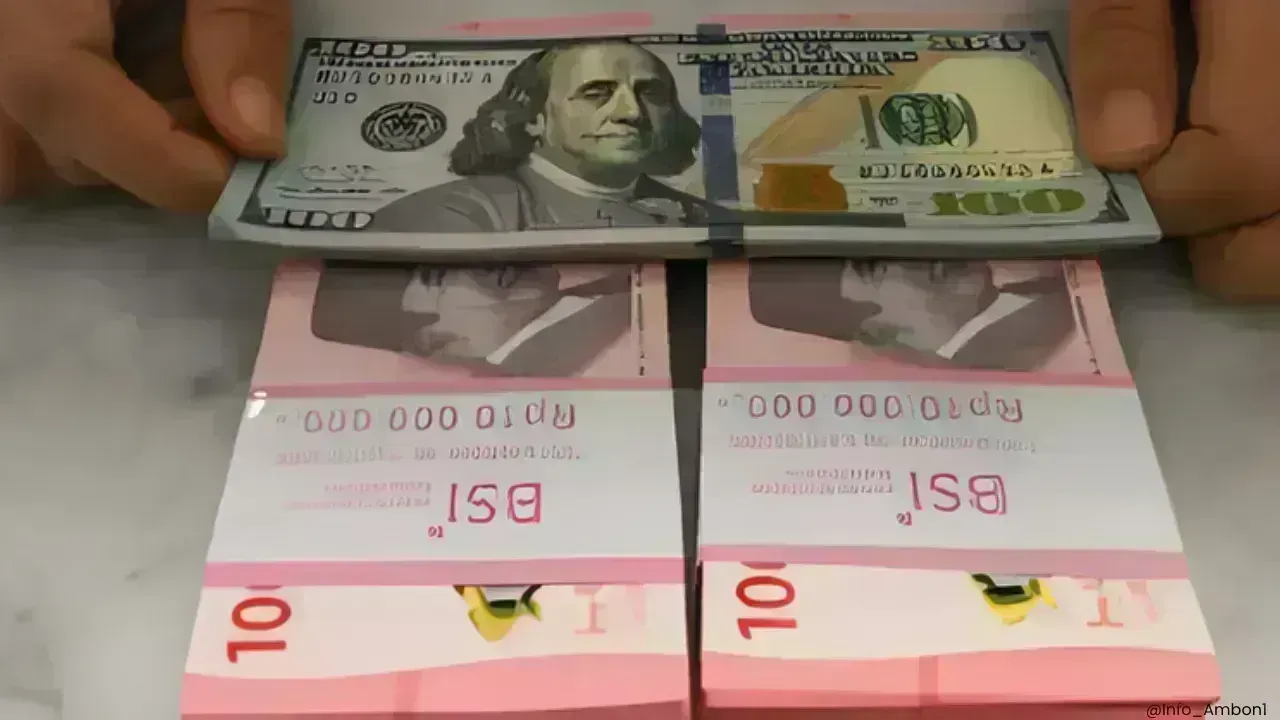
A shifting currency landscape is quietly creating a financial opportunity for millions of UAE expatriates, as the weakening of the Indian rupee, Philippine peso, and Pakistani rupee is translating into stronger remittance value. What might seem like a negative economic signal in home countries is, in reality, opening a powerful window for expats to maximize every dirham they send abroad. As exchange rates hover near multi-year lows, remittance flows are being reshaped, with households increasingly recalibrating when and how they transfer funds to take advantage of favorable currency conditions.
The current remittance advantage is rooted in the broader weakness of several Asian currencies against the UAE dirham, which is pegged to the US dollar. As global economic pressures, inflation trends, and capital flows weigh on currencies like the rupee and peso, the dirham has effectively gained stronger purchasing power in comparison. Recent exchange levels show the Indian rupee nearing historic lows around 25+ per dirham, while the Philippine peso has been trading in the 16 range—levels that significantly increase the amount received by families back home for the same transfer amount.This currency imbalance is not a sudden shift but part of a broader trend driven by global market conditions, including oil price volatility, inflation pressures, and investor sentiment. For expats, however, the impact is immediate and tangible—higher value without increasing the amount sent.
With favorable exchange rates in play, UAE-based expatriates are becoming more strategic in their remittance decisions. Instead of sending fixed monthly amounts, many are now timing transfers to maximize returns or splitting remittances into multiple transactions to hedge against future fluctuations.This shift reflects a more financially aware approach, where remittances are no longer routine transactions but calculated financial moves. Families are closely monitoring exchange trends, weighing the benefits of immediate transfers against the possibility of further currency depreciation. Such behavior highlights a broader evolution in financial planning among expatriates, where access to real-time data and market insights is enabling more informed decision-making.
The ripple effects of this remittance boost extend far beyond individual households. Increased inflows of foreign currency can provide much-needed support to economies facing currency depreciation, helping stabilize consumption and support local spending. For families receiving funds, the benefits are immediate higher purchasing power, improved savings potential, and greater financial flexibility. In many cases, remittances serve as a lifeline, covering essential expenses such as education, healthcare, and housing. At a macro level, sustained remittance inflows can play a critical role in supporting economic resilience, particularly in countries where overseas workers contribute significantly to national income.
While primarily financial, the impact of remittance trends is closely tied to broader global systems, including transportation and logistics. Cross-border money flows are deeply interconnected with migration patterns, labor mobility, and international economic activity, all of which are influenced by infrastructure and transport networks.In regions like the Gulf, where large expatriate populations are supported by aviation, shipping, and urban mobility systems, currency movements can indirectly shape travel patterns, spending behavior, and economic activity. Stronger remittance flows often translate into increased financial circulation, influencing sectors ranging from retail to transport services.This highlights an often-overlooked connection: financial flows and physical mobility are two sides of the same global system, each influencing the other in subtle but significant ways.
Despite the current advantage, experts caution that currency trends can shift quickly, making timing a critical factor. While the rupee, peso, and other currencies remain under pressure, global economic conditions could trigger reversals, narrowing the remittance advantage. For now, the window remains open, and many expats are choosing to act decisively, capitalizing on favorable rates while they last. The coming weeks will be crucial in determining whether this trend stabilizes or evolves further, potentially creating even greater opportunities or risks for remitters.
As currency volatility becomes a defining feature of the global economy, UAE expatriates are entering a new era of financial awareness and adaptability. Remittances are no longer just routine obligations they are strategic financial decisions influenced by global trends, economic indicators, and personal goals.This shift reflects a broader transformation in how individuals engage with global markets, turning everyday transactions into opportunities for optimization and growth. In the end, the weakening of currencies may signal economic challenges in one part of the world but for UAE expats, it is also a moment of financial empowerment, where timing, strategy, and awareness can turn volatility into value.


 English