Post by : Anis
Al-Rashid
The Impact of the Recent Utility Report
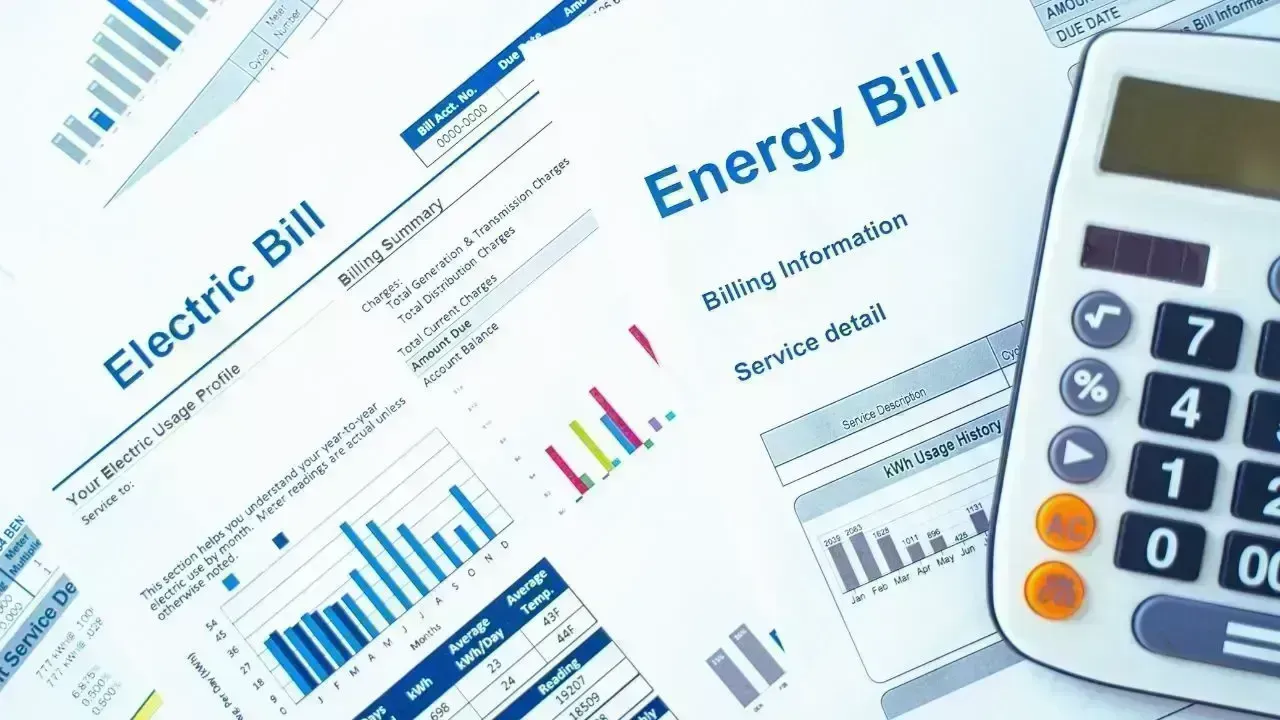
A recent utility report highlighted a significant increase in electricity consumption for households across various regions. The message, meant for awareness rather than alarm, pointed out the rise in energy use attributed to prolonged device usage, extensive air conditioning, reliance on home gadgets, and the growing number of connected smart devices.
The ensuing response was both unexpected and encouraging.
Instead of expressing discontent, people took proactive measures.
Conversations online quickly turned to sharing tips, minor adjustments, and practical actions that could help lower electricity usage while maintaining comfort and efficiency.
Tech forums, local groups, and peer networks buzzed with ideas, revealing that slashing electricity bills could be achieved through smarter tech practices rather than sweeping lifestyle changes.
This article delves into these newly adopted practices, providing an organized overview based on popular strategies embraced this past week.
Understanding the Spike in Energy Consumption
The report exposed a trend many households suspected but had not truly grasped:
-
An increase in devices plugged in
-
Extended usage times
-
Apps running in the background
-
More frequent charging cycles
-
Inefficiency in power-hungry appliances
-
Overuse of entertainment and climate devices
It became clear that rising electricity bills stemmed not from a single device, but from numerous small, neglected habits accumulating over time.
Once this was understood, immediate and manageable changes began to emerge.
Tech Practices Gaining Traction This Week
1. Unplugging Unused Devices
Among the first trending habits was the unplugging of idle chargers. Households remembered that:
-
Laptop chargers
-
Phone chargers
-
Streaming boxes
-
Game consoles
-
Induction stove bases
stay on standby power even when not in use.
By unplugging these unwatched devices, noticeable savings appeared.
2. Powering Down Wi-Fi Routers Overnight
Previously, many kept routers operating round the clock. This week saw a shift towards turning them off at night, which not only decreased power usage but also:
-
Lessened radiation exposure
-
Minimized overheating risks
-
Increased router longevity
This transition became one of the simplest and most effective changes.
3. Activating Power-Saving Modes
A surprising number of users weren’t utilizing their devices' power-saving features. Following the announcement, many began enabling:
-
Adaptive brightness controls
-
CPU throttling features
-
Reducing screen timeout settings
-
Restricting background apps
These minor tweaks led to significant reductions in charging frequency.
4. Completely Turning Off Smart Devices
Smart devices remain partially on even when they appear idle.
By fully powering them down instead of just using remote commands, users were able to save energy.
5. Dimming Screen Brightness Across Devices
Devices like phones, laptops, and TVs often had excessive brightness settings.
Users adjusted brightness levels down by 20–40%, realizing that:
A minor adjustment with a significant impact.
6. Limiting Continuous Charging
This week, many learned that constant charging can waste power and harm battery life.
Users started to:
This resulted in reduced charging cycles and decreased power consumption.
7. Using Timers for HVAC Units
Air conditioning and heating have substantial impacts on energy bills.
People began employing built-in timers to turn off these systems automatically once:
Thus, preventing all-night energy usage.
8. Activating Energy-Saving Features on Appliances
Devices like TVs, dishwashers, and refrigerators come with eco modes that are often overlooked.
This week saw a surge in the use of:
-
Low-power settings
-
Eco-clean cycles
-
Quick wash options
These modes not only reduce energy use but also maintain essential functionalities.
9. Operating Appliances During Off-Peak Times
Utility reports indicated potential surges during peak hours.
Many adjusted the timing for:
-
Washing machines
-
Dishwashers
-
Water heaters
to off-peak morning or evening slots, promoting grid balance while saving energy.
10. Managing Background Processes on Devices
Devices commonly run numerous applications in the background.
Closing unused apps contributed to:
This digital cleaning process led to substantial energy savings.
11. Employing Smart Plugs
Smart plugs gained traction this week.
Users utilized them to:
-
Control devices remotely
-
Monitor energy usage
-
Automate power shutdowns
These devices provided enhanced control over energy consumed by idle appliances.
12. Switching to Lightweight Browsers
Surprisingly, many found their browser choice impacts power usage.
Weighty browsers consume more processing power, so people transitioned to:
-
Lightweight browsers
-
Reader modes
-
Simplistic extensions
This helped preserve battery life and decreased energy usage by laptops.
13. Lowering Streaming Quality
High-definition streaming demands far more energy than many anticipated.
After the announcement, users reduced quality settings to:
This change decreased power consumption and alleviated internet bandwidth load.
14. Using Power Strips with Master Switches
Power strips enabled households to:
-
Shut down multiple devices simultaneously
-
Prevent standby power leaks
-
Synchronize device clusters (like TVs and gaming consoles)
This habit gained momentum this week.
15. Adjusting Fans and AC Settings
Rather than setting maximum speeds or minimum temperatures, users tailored settings to:
-
“Dry mode” for humid conditions
-
“Auto mode” to prevent overcooling
-
“Sleep mode” during nighttime
Employing these intelligent adjustments made cooling both affordable and efficient.
16. Keeping Device Software Updated
Regular updates often contain:
This week, users eagerly updated their devices with a newfound zeal.
17. Disabling Auto-Play Features on Streaming Services
Auto-play functionalities kept devices running for longer than necessary.
By turning this feature off, users ensured content stopped at the end of each viewing.
18. Implementing Screen Time Restrictions for Young Ones
Not simply a rule but a power-saving tactic.
Less screen time resulted in:
A win for both energy savings and wellbeing.
19. Disconnecting Infrequently Used Devices
Many houses had:
-
Old routers
-
Unused TVs
-
Old gaming consoles
People disconnected these devices to eliminate unnecessary energy consumption.
20. Preferencing Laptops Over Desktops
Desktops typically consume more energy than laptops.
Remote workers opted to use laptops where feasible, resulting in notable reductions in energy consumption.
21. Utilizing Natural Lighting Instead of Artificial Sources
Combining technology with lifestyle changes, households optimized natural light by:
This approach decreased electricity needs for several hours daily.
22. Adopting Solar-Powered Chargers
Eco-aware individuals began using solar chargers for:
-
Mobile phones
-
Portable power banks
-
Various small devices
This reduced reliance on traditional power sources.
Why These Adjustments Were Effective
This shift in habits worked due to factors such as:
These small shifts in technology usage led to substantial variations in monthly expenditures.
Feedback from Households After Adjusting Habits
People reported that these changes led to:
-
Decreased anxiety concerning rising bills
-
Improved consciousness of device management
-
Enhanced performance of devices
-
Boosted battery longevity
-
Better thermal control in living spaces
Adopting energy-saving principles soon became a way of life, rather than merely a task.
Long-Term Effects of This Week’s Habit Change
Continued adoption of these practices may lead to:
-
Consistently reduced utility bills
-
Less wear on devices
-
Overall grid efficiency
-
Increased mindful technology engagement
-
A minimized environmental footprint
This week could signify the start of a more energy-conscious culture.
Conclusion
The recent utility announcement served as a compelling reminder that our everyday tech habits significantly impact energy use. Rather than adopting drastic changes, individuals began implementing small and accessible modifications—from disconnecting idle devices to optimizing AC settings and limiting digital activities.
These adjustments required little expenditure or effort but heavily depended on awareness.
In return, households reaped immediate rewards: decreased power usage, improved device operation, and an enhanced sense of control over their living spaces.
The tech habits that emerged this week are both feasible and sustainable, illustrating that smarter living can begin with small changes.
DISCLAIMER:
This article is designed for general information purposes. Actual electricity usage may vary based on various factors such as appliances, climate, and personal consumption habits.


 English