Post by : Sami
Al-Rahmani
Techniques Athletes Use to Stay Focused Under Pressure
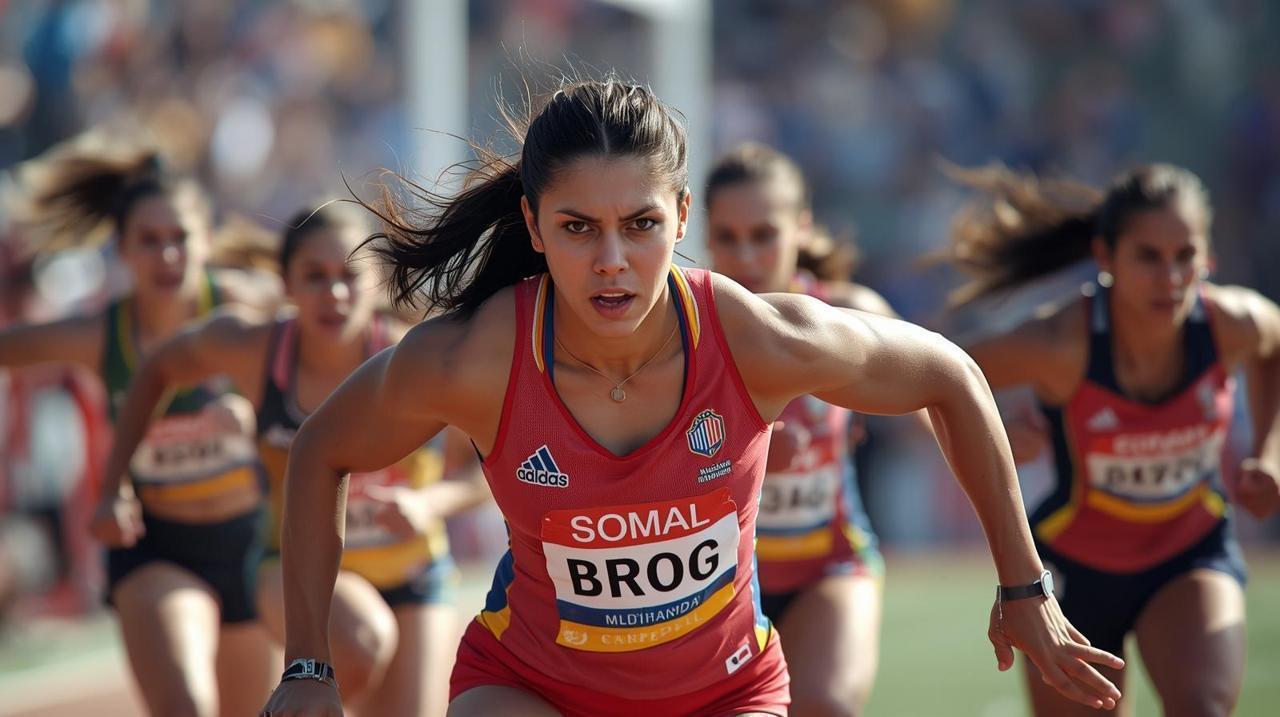
In the world of professional sports, focus is often what separates victors from those who fall short. While aspects like speed, strength, and technical skill are crucial, mental acuity shines during high-stakes situations. From critical penalty kicks in football to nail-biting moments in basketball, athletes must be as adept at managing their thoughts as they are at mastering their physical abilities.
Modern sports science, along with insights from neuroscience and psychology, have revealed several strategies that elite athletes adopt to maintain peak concentration during stressful times. This article delves into effective techniques for building focus that can be adopted in everyday scenarios.
1. The Importance of Mental Training
Success in sports is not solely reliant on inherent talent; athletes intensively train their mental faculties. Mental conditioning comprises:
• Visualization
Athletes visualize flawless performances—be it hitting a home run or completing a perfect dive.
This approach enhances neural connections in the brain, making actions more instinctive when faced with competition.
• Positive Affirmations
Encouraging thoughts such as:
“I can do this.”
“Keep calm.”
“Focus on this moment.”
Serve to mitigate negative thinking during tense moments.
• Goal-setting
Focusing on immediate objectives prevents overwhelm from the larger picture.
Effectiveness:
Mental conditioning promotes a stable mental environment, minimizing anxiety and enhancing assurance.
2. Utilizing Controlled Breathing for Stress Management
During stressful episodes, the body often reacts by entering a “fight or flight” state—characterized by rapid heartbeat and shallow breaths. To combat this, athletes employ breathing techniques that enable rapid refocusing.
Common methods include:
• Box Breathing
Inhale for 4 seconds → Hold for 4 → Exhale for 4 → Hold for 4.
• Diaphragmatic Breathing
Deep breathing from the abdomen that effectively lowers heart rates.
• 4-7-8 Breathing
Inhale for 4 → Hold for 7 → Exhale for 8.
Benefits:
These techniques help calm the nervous system, enhance clarity, and refine decision-making, often used just before a crucial play.
3. Establishing Pre-Performance Rituals for Consistency
Every successful athlete has established routines that aid focus, and these rituals are far from mere superstition.
Such practices help signal to the brain that it’s time to concentrate.
Notable examples include:
Tennis players tossing the ball pre-serve
Basketball players dribbling in a specific rhythm before a free throw
Sprinters performing a series of movements before settling into stance
Weightlifters engaging in identical warm-up actions prior to lifting
Why Rituals are Effective:
They diminish uncertainty and prompt the brain to transition into a focused state swiftly, creating a sanctuary of calm amid chaos.
4. Implementing Focus Cues to Ground the Mind
Focus cues are succinct phrases or words that athletes mentally repeat under duress.
Examples include:
“Breathe”
“Smooth”
“Stay present”
“Stay low”
“Commit”
These phrases help maintain concentration in the present and dodge distracting thoughts.
Scientific Insight:
Utilizing focus cues decreases cognitive load and curtails over-analysis, a common contributor to mistakes.
5. Training Under Stressful Conditions
Athletes often engage in practice under conditions that simulate real-world stress.
Techniques may involve:
Practicing in front of simulated loud crowds
Time-constrained drills
Introducing consequences for errors
High-energy exercises post-fatigue
This preparation helps athletes become familiar with competition-induced anxiety.
Effectiveness:
Training under stress teaches the brain to view high-pressure situations as routine, not intimidating.
6. Enhancing Focus Through Mindfulness Practices
Mindfulness has emerged as a key component in athletic training.
It involves exercises that foster greater awareness and control of emotions.
Examples include:
Advantages:
Mindfulness allows athletes to remain composed even during high-adrenaline moments.
7. Prioritizing Recovery for Optimal Focus
To maintain peak concentration, proper recuperation is vital.
Athletes ensure they get:
7-9 hours of restorative sleep
Nourishing foods to stabilize energy levels
Hydration for cognitive performance
Regular rest days
Insight:
The brain's prefrontal cortex—critical for focus and decision-making—functions optimally when well-rested.
8. Nutrition for Enhanced Cognitive Function
Athletes adhere to dietary plans that support brain health:
Foods known to fuel the brain include:
Consistent energy helps maintain mental acuity throughout demanding events.
9. Managing Emotions to Stay Steady
Athletes train to remain emotionally detached from scenarios.
Instead of worrying about:
The focus shifts to controllable actions.
Techniques utilized consist of:
• Reframing pressure as excitement
Shifting perspectives from “I’m anxious” to “I’m prepared.”
• Staying focused on the immediate task
Concentrating on the next move instead of the overall outcome.
• Quickly accepting errors
Avoiding the spiral of negativity that comes with mistakes.
10. Learning Through Experience
The greater the variety of situations an athlete encounters, the more adept they become at maintaining focus.
Pressure transitions to familiarity; stress becomes a standard aspect of competition. This is why seasoned athletes frequently excel under pressure—they've developed a comfort with it.
Conclusion
Elite focus isn't an inherent trait; it's cultivated through dedicated training. Through techniques such as mental conditioning, breathing exercises, consistent routines, mindfulness practices, nutritional strategies, and emotional regulation, athletes learn how to thrive under pressure rather than buckle. These methods can be adopted by anyone facing high-pressure scenarios, be it exams, presentations, or making critical decisions. Ultimately, focus is a skill, one that strengthens with continuous practice.
Disclaimer
This article is intended for informational use only and does not substitute for professional medical or training guidance.


 English